Windows to Heaven: The Living Stories Behind Chilterns Sacred Glass
The Language of Light
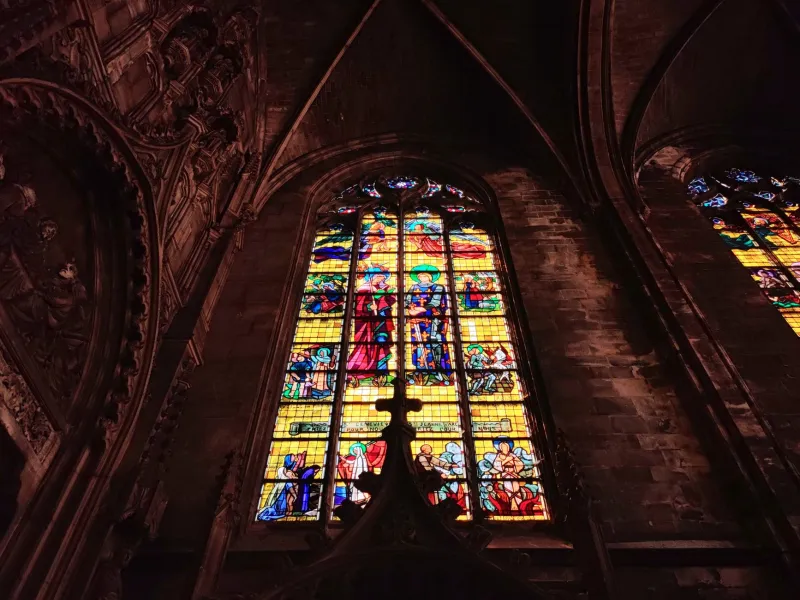
In the gentle morning light that filters through St Andrew's Church in Chinnor, something extraordinary happens. The ancient stained glass transforms ordinary sunbeams into a cascade of ruby, sapphire, and gold that dances across stone floors worn smooth by centuries of faithful footsteps. These windows are more than mere decoration—they are the theological textbooks of our ancestors, designed to teach, inspire, and comfort in equal measure.
 Photo: St Andrew's Church in Chinnor, via assets.bosecreative.com
"Every piece of coloured glass tells a story," explains Dr Margaret Thornley, a conservation specialist who has spent the past fifteen years studying ecclesiastical windows across the Chilterns. "What we often dismiss as pretty pictures are actually sophisticated theological arguments rendered in light."
The tradition of stained glass in British churches stretches back to the medieval period, when literacy was rare and visual storytelling essential. In our Chilterns churches, this heritage lives on in remarkable ways, from the Victorian memorial windows that commemorate local families to the ancient fragments that survived the Reformation's iconoclastic fury.
Craftsmen and Their Legacy
Behind every window lies the skill of craftspeople whose names have largely been forgotten by history. Yet their handiwork speaks with undiminished eloquence to modern congregations. At St Giles in Great Kimble, a fifteenth-century window fragment bears the subtle signature of its maker—a tiny shield worked into the border design, a medieval artist's quiet claim to immortality.
 Photo: St Giles in Great Kimble, via c8.alamy.com
Local church historian James Whitmore has spent decades cataloguing the provenance of Chilterns church glass. "We tend to think of these windows as anonymous works," he notes, "but careful examination reveals the personalities behind them. The Victorian glaziers, in particular, often left their marks—sometimes literally, in the form of signatures hidden within the leading."
The nineteenth century brought a renaissance of stained glass artistry to the region. Firms like Clayton & Bell, and later, the influential studios of Charles Eamer Kempe, left their mark across numerous Chilterns parishes. These workshops didn't simply produce religious art; they created visual sermons that continue to preach to congregations more than a century later.
Memorial Windows: Grief Transformed
Perhaps nowhere is the human story more poignantly told than in the memorial windows that grace our churches. The Great War left an indelible mark on Chilterns communities, and many parishes commissioned commemorative glass to honour their fallen sons. These windows transform personal grief into communal memory, private loss into shared hope.
At Holy Trinity in Bledlow, the war memorial window depicts Christ as the Good Shepherd, surrounded by the names of local men who never returned from France and Belgium. The Rev. Sarah Mitchell, who has served the parish for eight years, observes: "These windows don't just remember the dead; they comfort the living. Week after week, families find solace in the knowledge that their loved ones are held within the very fabric of our worship."
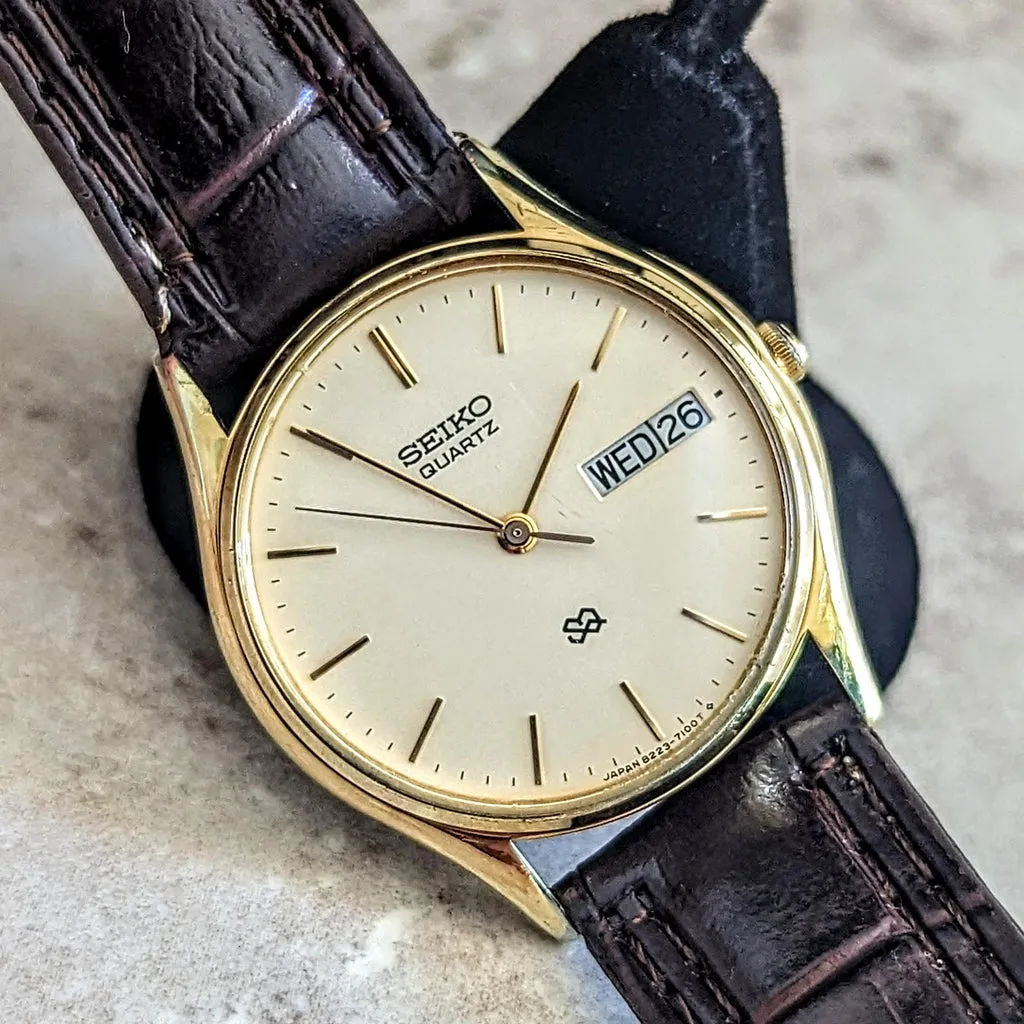 Photo: Holy Trinity in Bledlow, via cdn.shopify.com
The tradition continues today. Recent additions to several Chilterns churches include contemporary memorials rendered in glass—a testament to the enduring power of this ancient art form to capture and preserve human experience.
Biblical Narratives in Glass
The great biblical stories unfold across our church windows with remarkable consistency yet infinite variation. The Nativity, Crucifixion, and Resurrection appear time and again, but each artist brought their own interpretation to these eternal themes.
In Princes Risborough's parish church, a Victorian window depicting the Prodigal Son's return bears unmistakably English features—the wayward son approaches not a Middle Eastern dwelling but something resembling a Chilterns manor house. Such localisation wasn't accidental; it helped congregations see themselves within the biblical narrative.
"These windows make Scripture accessible in ways that words alone cannot," explains Canon David Pearson, who has served parishes across the region. "A child who cannot yet read can understand the story of Noah's Ark or the feeding of the five thousand simply by looking up during worship."
The Challenge of Conservation
These precious windows face an uncertain future. Lead decay, weather damage, and the simple passage of time threaten their survival. Conservation work is both expensive and specialised, requiring craftspeople who understand centuries-old techniques.
The Chilterns Churches Conservation Trust has been instrumental in preserving this heritage. Recent projects have included the restoration of medieval glass fragments in Wendover and the careful cleaning of Victorian memorial windows in Stoke Mandeville. "We're not just preserving pretty pictures," emphasises Trust chairman Robert Henley. "We're maintaining the spiritual and cultural DNA of our communities."
Modern conservation techniques allow for repairs that would have been impossible even a generation ago. Specialist glaziers can now stabilise fragmentary medieval glass whilst maintaining its historical integrity, ensuring these windows continue to illuminate worship for future generations.
Living Theology in Light
What makes these windows truly remarkable is their continuing relevance to contemporary worship. In an age of digital communication and virtual reality, there remains something profoundly moving about light filtered through coloured glass. The medium itself becomes the message—divine light transformed and made beautiful through human artistry.
"Every Sunday, our congregation worships surrounded by the faith of previous generations," reflects Rev. Mitchell. "These windows remind us that we are part of something larger than ourselves, connected to believers across the centuries through shared symbols and stories."
As morning service concludes and the congregation files out, the stained glass continues its silent witness. In the interplay of light and colour, the eternal and the temporal meet, creating moments of transcendence that no amount of contemporary technology can replicate. These windows are indeed portals to heaven, offering glimpses of divine beauty that have sustained faith across the generations and will continue to do so for years to come.