Wednesday's Faithful: The Quiet Revolution Reshaping Chilterns Church Life

The Heart of the Week
At precisely 9:30 on Wednesday morning, the car park at St Andrew's Chinnor begins to fill with pushchairs, toddlers, and slightly frazzled parents. By 10 AM, the church hall buzzes with the controlled chaos of "Little Lambs"—a parent and toddler group that has become one of the most vital ministries in the parish.
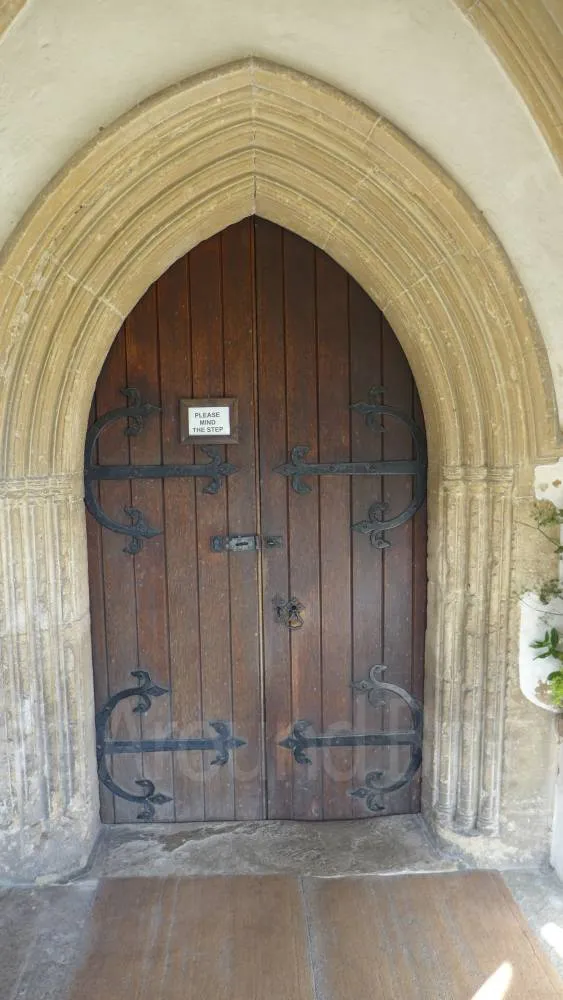 Photo: St Andrew's Chinnor, via cdn.seearoundbritain.com
"Sunday morning is when we worship together," explains group leader Helen Morris, expertly navigating between a paint station and a climbing frame. "But Wednesday morning is when we actually get to know each other. It's impossible to maintain social barriers when your two-year-old has just shared their banana with someone else's child."
This scene, replicated across the Chilterns in various forms throughout the week, represents a profound shift in how churches understand their role in community life. Whilst Sunday services provide spiritual sustenance, midweek activities are proving essential for the relational foundation that makes authentic Christian community possible.
More Than Childcare
The theology behind midweek ministry runs deeper than simply providing services the community needs. For Reverend David Hartwell of Holy Trinity Prestwood, these gatherings represent incarnational ministry at its most practical.
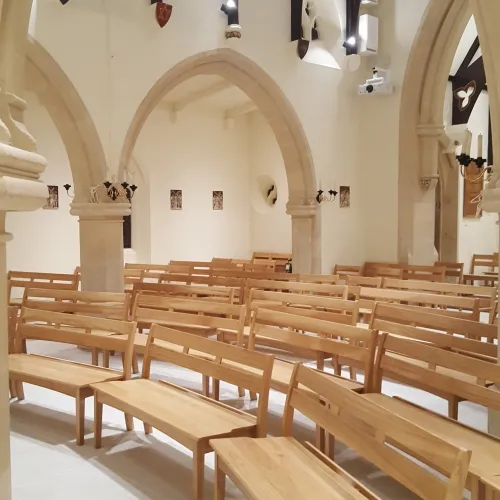 Photo: Holy Trinity Prestwood, via www.cplarchitects.co.uk
"Jesus didn't just preach on mountaintops," he reflects whilst setting up chairs for the Wednesday lunch club. "He shared meals, attended celebrations, and engaged with people in the ordinary rhythms of daily life. Our midweek activities are an extension of that same ministry."
The lunch club at Holy Trinity serves thirty-five people each week, mostly pensioners but increasingly including younger people working from home who appreciate both the meal and the company. Conversations range from gardening tips to global politics, creating a space where faith naturally intersects with everyday concerns.
Building Bridges
Perhaps the most significant aspect of midweek ministry is its ability to reach people who might never attend Sunday worship. Sarah Jenkins started bringing her daughter to Little Lambs after moving to Chinnor three years ago.
"I wasn't particularly religious when we started coming," she admits. "I just needed somewhere my daughter could play and I could have adult conversation. But the welcome was so genuine, and the community so supportive, that I found myself curious about what made these people so... kind."
Jenkins now serves as a welcomer at Sunday services and is exploring baptism for both herself and her daughter. Her journey illustrates how midweek activities often serve as gentle bridges into faith communities for people who might find formal worship intimidating.
The Volunteers' Perspective
Running successful midweek programmes requires enormous volunteer commitment. At St Mary's Turville, the Wednesday coffee morning relies on a team of twelve regulars who rotate responsibilities for setup, serving, and cleanup.
"It's actually become one of the highlights of my week," says volunteer coordinator Margaret Stevens. "We serve about forty people, but the conversations I have whilst washing up afterwards often feel more spiritually significant than anything that happens during the formal coffee time."
This sentiment is echoed across numerous churches, where volunteers describe midweek activities as unexpectedly formative for their own faith. The informal setting allows for deeper conversations about life challenges, family struggles, and spiritual questions that rarely surface during Sunday coffee after service.
Practical Discipleship
For clergy, midweek activities provide invaluable pastoral opportunities. Problems shared over Wednesday lunch often lead to more formal pastoral conversations later in the week. Prayer requests emerge naturally from craft group conversations. Spiritual guidance happens whilst setting up chairs or clearing tables.
"Last month, I had three significant pastoral conversations that all started during our Wednesday activities," notes Reverend Linda Thompson from St Nicholas Ibstone. "There's something about working alongside people rather than standing in front of them that creates space for honesty."
The church's Wednesday evening prayer group has become particularly valued by members dealing with chronic illness, family difficulties, or work stress. The informal format allows for more personalised prayer and mutual support than Sunday morning intercessions typically permit.
Economic and Social Impact
Beyond their spiritual significance, these midweek activities provide substantial community value. The Chinnor Churches Food Bank operates from church premises on Wednesday afternoons, serving families throughout the local area. Volunteers estimate they prevent food waste whilst supporting approximately fifty households monthly.
Similarly, the Wednesday afternoon "Mend and Make Do" group at All Saints Lacey Green teaches practical skills whilst fostering environmental stewardship. Members repair clothing, learn basic sewing, and share resources in ways that build both community resilience and ecological awareness.
Challenges and Adaptations
Maintaining quality midweek programming requires careful attention to sustainability. Several churches have learned to rotate leadership responsibilities to prevent volunteer burnout, whilst others have developed partnerships that share resources and expertise.
"We've learned that successful midweek ministry requires the same level of planning and prayer as Sunday worship," explains Deacon James Wilson from Speen Baptist Church. "The informal atmosphere doesn't happen by accident—it requires intentional cultivation."
Seasonal variations also present challenges. Summer programmes often move outdoors, taking advantage of church gardens and local green spaces. Winter activities require additional attention to heating costs and accessibility for elderly participants.
The Ripple Effect
Perhaps most significantly, strong midweek communities are transforming Sunday worship experiences. Churches with active midweek programmes report higher levels of congregational engagement, more volunteers for Sunday activities, and increased willingness to participate in worship leadership.
"When people know each other from Wednesday lunch or Thursday craft group, Sunday morning feels like a family gathering rather than a formal service," observes Morris. "The relationships built during the week create the foundation for meaningful worship together."
Future Directions
As these programmes continue to evolve, churches are exploring new possibilities for midweek ministry. Mental health support groups, environmental action committees, and intergenerational learning programmes all show promise for addressing contemporary community needs whilst maintaining clear connections to Christian faith and practice.
For the Chilterns churches, Wednesday—and Tuesday, Thursday, Friday—have become opportunities to demonstrate that faith communities exist not just for Sunday worship but for the whole of life. In village halls and church kitchens, over toddler toys and pensioners' puzzles, the real work of building Christian community happens one conversation, one shared meal, one act of service at a time.
As Reverend Hartwell concludes whilst stacking chairs after the latest lunch club, "We gather on Sunday to be reminded who we are. We gather on Wednesday to practice what that means."