Beyond the Church Door: Compassionate Connections Combat Isolation in Chinnor's Older Community
The Silent Epidemic in Our Midst
Every Tuesday at 2 PM, 78-year-old Jean Whitfield's telephone rings. For the past eighteen months, this weekly call from volunteer befriender Patricia Holmes has become the highlight of Jean's week—a lifeline of human connection in what had become an increasingly isolated existence.
"Patricia doesn't just ask how I am," Jean explains from her Chinnor bungalow. "She remembers that my grandson started university, asks about my garden, shares stories about her week. It's like having a daughter who actually calls."
This conversation represents one small victory in a much larger battle against loneliness that Chinnor's churches are quietly, persistently fighting.
Recognising the Hidden Crisis
The scale of elderly isolation across the Chilterns mirrors national statistics, but local churches possess unique advantages in identifying and addressing the problem. Clergy and regular worshippers often notice when familiar faces disappear from congregations, whilst community connections reveal residents who rarely venture beyond their front doors.
Reverend Michael Hartley of All Saints' Church explains their systematic approach: "We maintain informal contact lists—not just church members, but neighbours, former attendees, anyone who might benefit from human connection. It's pastoral care extended beyond traditional boundaries."
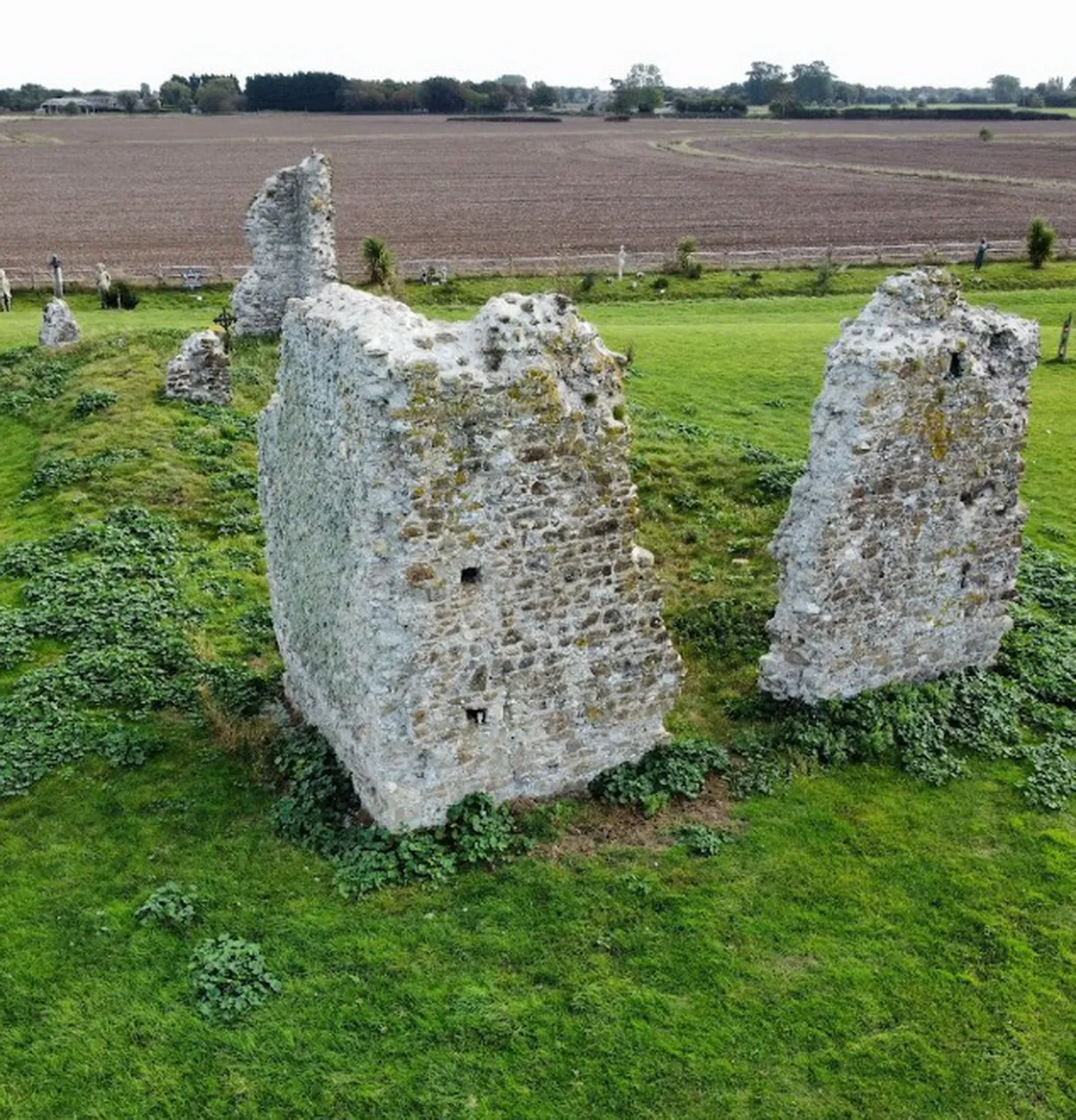 Photo: All Saints' Church, via photos.wikimapia.org
The church's "Gentle Reach" programme trains volunteers to recognise signs of isolation: accumulated mail, drawn curtains, overgrown gardens. Importantly, volunteers learn to approach potential contacts sensitively, offering friendship rather than charity.
Telephone Lifelines and Digital Bridges
The telephone befriending network operates across five Chinnor churches, coordinated through a simple rota system. Volunteers commit to weekly calls with assigned contacts, building relationships gradually over months and years.
Volunteer coordinator Susan Davies describes the careful matching process: "We consider personalities, interests, even preferred calling times. Margaret loves discussing gardening, so we paired her with retired horticulturist Robert. They've developed a genuine friendship."
Some volunteers have embraced video calling technology, particularly valuable for contacts with mobility limitations. "Seeing faces makes such difference," observes volunteer caller Dorothy Mansfield. "When I showed Mrs Peterson how to use video calls to see her great-grandchildren in Canada, she cried with joy."
Creating Sacred Spaces for Connection
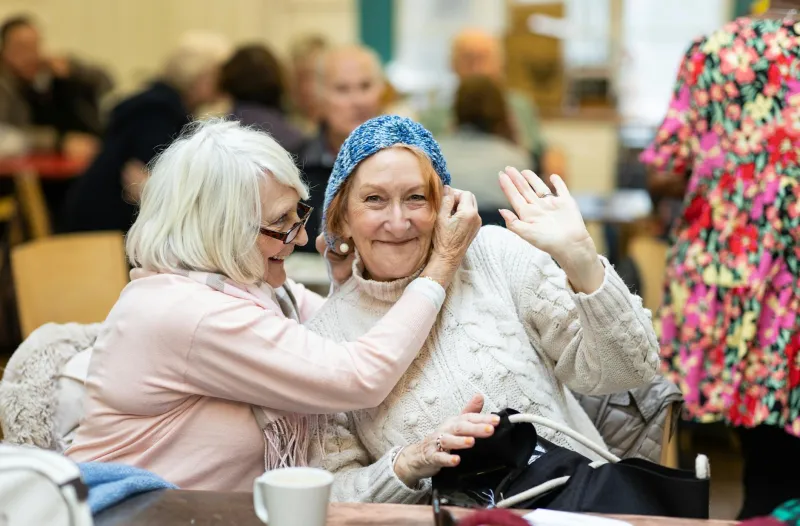
Midweek café initiatives provide face-to-face interaction opportunities. The "Coffee and Kindness" sessions at St Peter's Church Hall attract regular attendees who might never consider Sunday worship but appreciate welcoming company and homemade refreshments.
 Photo: St Peter's Church Hall, via dhzjvxyl79yzn.cloudfront.net
"We deliberately avoid overtly religious content," explains organiser Helen Brooks. "The ministry happens through presence, not preaching. People share concerns, celebrate grandchildren's achievements, discuss local news. It's community in its purest form."
Regular attendee Frank Morrison, aged 82, describes the café's impact: "After my wife died, I barely spoke to anyone for weeks. Coming here gives me reason to shave, dress properly, engage with the world. These people have saved my sanity."
Practical Support with Personal Touch
Churches coordinate practical assistance that addresses isolation's root causes. Transport schemes enable elderly residents to attend social gatherings, medical appointments, or simply visit local shops independently. Shopping volunteers don't just collect groceries—they spend time discussing choices, sharing conversation, maintaining human dignity.
"Mrs Andrews insists on writing detailed shopping lists with specific brand preferences," shares volunteer shopper Linda Carter. "I could choose generic alternatives, but respecting her choices preserves her autonomy. That matters more than efficiency."
Home visiting programmes require careful training. Volunteers learn to recognise signs of depression, cognitive decline, or physical deterioration whilst maintaining appropriate boundaries. Regular supervision ensures volunteer wellbeing alongside service quality.
Addressing Diverse Needs
Isolation affects different demographics uniquely. Widowed men often struggle more than women with social connection, whilst elderly immigrants may face additional cultural barriers. Churches adapt their approaches accordingly.
The "Men's Shed" initiative at Christ Church provides practical project opportunities alongside social interaction. Retired engineer Tom Bradley explains: "We're not sitting around talking feelings—we're repairing furniture, building bird boxes, solving problems together. Conversation happens naturally whilst our hands stay busy."
 Photo: Christ Church, via c8.alamy.com
For elderly residents from minority ethnic backgrounds, churches partner with community groups to ensure cultural sensitivity. "Mrs Patel speaks limited English, but she loves showing me how to cook traditional dishes," describes volunteer visitor Rachel Thompson. "Communication transcends language barriers when hearts connect."
Measuring Success Through Stories
Quantifying loneliness reduction proves challenging, but personal testimonies reveal profound impacts. Volunteer befriender Patricia Holmes reflects on her relationship with Jean Whitfield: "Jean's confidence has grown enormously. She's started attending our coffee mornings, joined a local book club, even reconnected with estranged family members. One telephone call weekly sparked all these positive changes."
Church leaders emphasise sustainability over dramatic interventions. "We're not social services," notes Reverend Hartley. "We're neighbours offering friendship. That's something we can maintain indefinitely."
Looking Forward with Hope
Plans for expansion include intergenerational programmes pairing elderly residents with local families, befriending training for younger volunteers, and collaboration with healthcare providers to identify at-risk individuals.
"Loneliness isn't inevitable in ageing," concludes volunteer coordinator Susan Davies. "With intentional effort, genuine care, and sustained commitment, we can ensure every older resident in Chinnor knows they matter to someone."
In a world increasingly connected digitally yet often isolated personally, these quiet conversations—whether by telephone, over coffee, or in garden centres—represent revolutionary acts of compassion. They remind us that faith's greatest expression often involves simply showing up, listening carefully, and caring consistently.
The church doors remain open, but perhaps more importantly, willing hearts reach beyond those doors to embrace a community where no one need face their golden years alone.