Growing Faith: How Chilterns Churches Cultivate Community Through Sacred Soil
Seeds of Something Greater
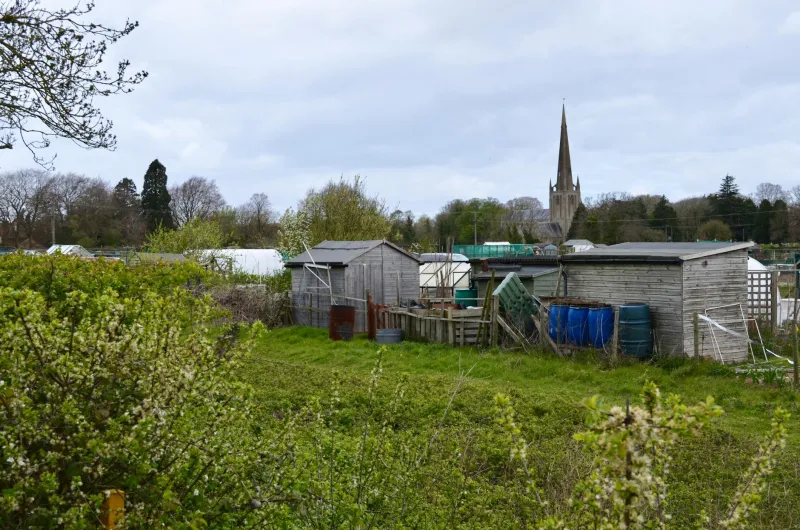
On a crisp Saturday morning behind St Mary's Church, eight-year-old Sophie carefully plants runner bean seeds whilst her grandfather explains proper spacing techniques. Nearby, newcomer Ahmed tends his first-ever vegetable patch under guidance from retired farmer Bill Thompson. This scene of intergenerational mentorship and cross-cultural friendship illustrates why community allotments have become central to modern church outreach across the Chilterns.
"We never expected the allotment to become our most effective evangelism tool," admits Reverend Emma Clarke, whose parish pioneered the church-allotment partnership model now spreading throughout Chinnor. "But soil has a way of breaking down barriers that Sunday services sometimes can't."
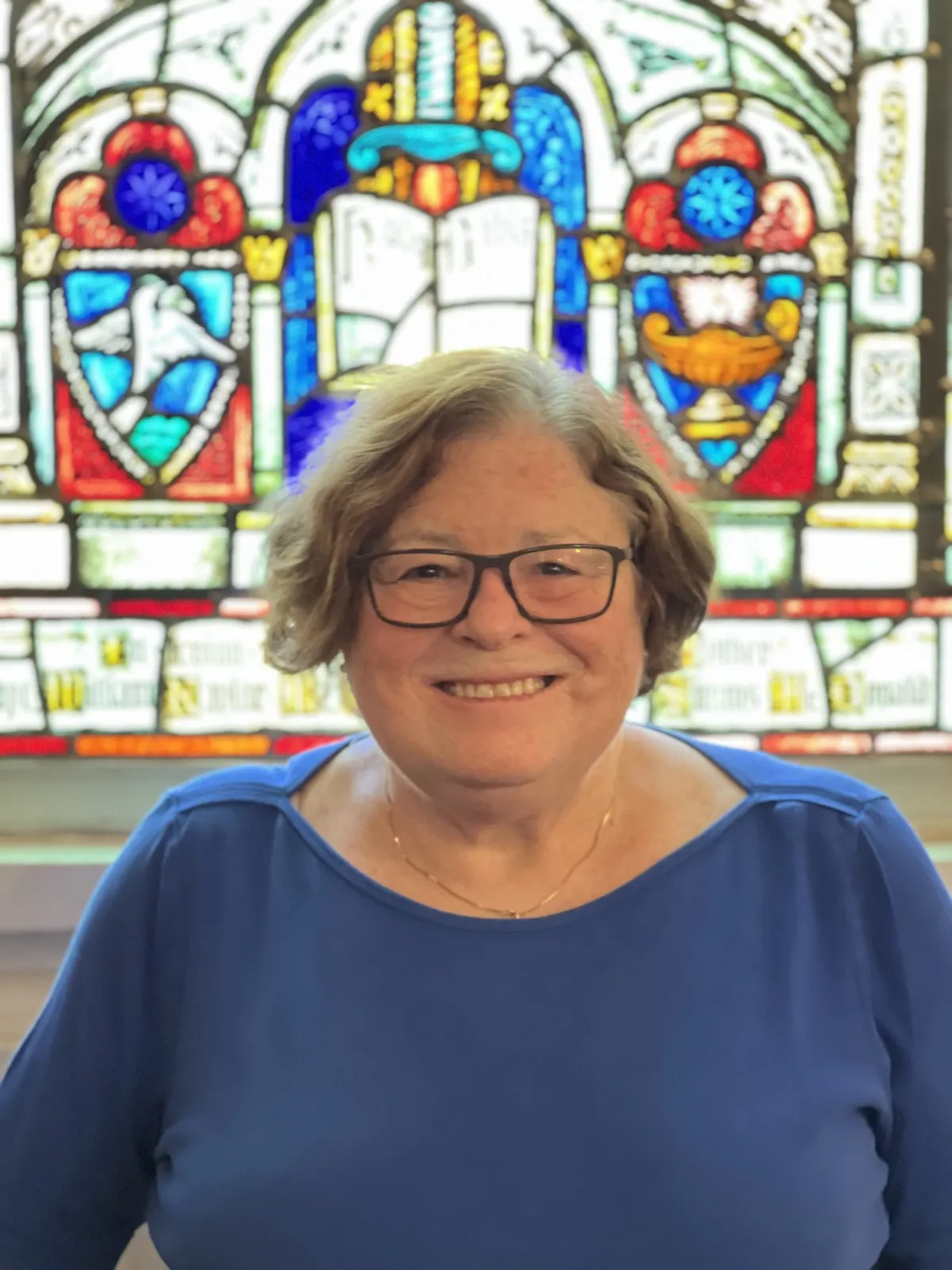 Photo: Reverend Emma Clarke, via www.clarkeparish.org
Cultivating Unexpected Connections
The movement began three years ago when St Mary's inherited a neglected plot adjacent to their property. Rather than selling the land, church members proposed creating community growing spaces available to anyone, regardless of faith background or church attendance.
"We advertised through local schools, community centres, even the doctor's surgery," explains allotment coordinator Mary Stevenson. "The response overwhelmed us—families desperate for growing space, elderly residents wanting gentle outdoor activity, young professionals seeking stress relief through gardening."
The waiting list now extends to forty families, prompting other Chilterns churches to explore similar initiatives. What makes these projects distinctive lies not in their horticultural achievements but in their relational fruit.
Sacred Conversations in Secular Soil
Allotment holder Janet Pierce describes how natural conversations emerge whilst working alongside church members: "I'd never set foot in church, but discussing crop rotation with the vicar led to deeper conversations about life's seasons, loss, hope. Before I knew it, I was sharing concerns about my teenage daughter's struggles."
These organic pastoral opportunities occur without pressure or agenda. Church members receive training in listening skills and appropriate responses, learning when to offer practical support versus simply providing presence.
"Last month, Sarah mentioned her husband's redundancy whilst we weeded together," shares church member Helen Brooks. "I didn't immediately offer prayer or invite her to service. I listened, offered practical advice about local job opportunities, and continued being a friend. That's ministry too."
Environmental Stewardship as Spiritual Practice
The allotments embody creation care principles increasingly important to contemporary faith communities. Composting workshops teach resource conservation whilst connecting participants to cycles of death and renewal central to Christian theology.
"Working with compost becomes meditation on resurrection," observes Reverend Clarke. "Watching kitchen scraps transform into rich soil that nourishes new growth—it's the gospel made tangible."
Rainwater harvesting systems and organic growing methods demonstrate environmental responsibility. Children learn about bee-friendly planting whilst adults discuss climate change implications for local agriculture.
Retired science teacher and allotment holder David Mills leads monthly "Creation Care" sessions exploring connections between gardening practices and biblical stewardship principles. "We discuss soil health alongside spiritual health, pest management alongside personal boundaries. The parallels prove remarkably rich."
Breaking Down Generational Barriers
Intergenerational relationships flourish naturally in allotment settings. Experienced gardeners mentor newcomers regardless of age, whilst younger participants introduce older members to contemporary growing techniques and social media garden documentation.
"My grandson taught me about companion planting using his smartphone app," laughs 76-year-old plot holder Margaret Collins. "Meanwhile, I'm showing his mother how to preserve vegetables like my grandmother taught me. Knowledge flows both directions."
Family plots accommodate multiple generations working together. The Henderson family—spanning four generations—maintains adjacent plots where great-grandmother shares wartime growing memories whilst teenagers experiment with exotic vegetables discovered through online research.
Harvest Celebrations and Shared Abundance
Monthly "Harvest Shares" create community celebration opportunities. Plot holders contribute surplus produce to communal meals prepared in the church hall, fostering relationships whilst reducing food waste.
"September's harvest feast attracted sixty people," notes Mary Stevenson. "Families who'd never met despite living streets apart discovered common interests over shared courgette recipes. We're building neighbourhood connections that extend far beyond gardening."
Surplus vegetables support the local food bank, creating tangible links between growing activities and community service. Children learn about food insecurity whilst contributing solutions through their gardening efforts.
Seasonal Rhythms and Spiritual Reflection
Allotment activities naturally align with liturgical seasons, creating opportunities for spiritual reflection without overtly religious programming. Spring planting sessions occur during Lent, emphasising themes of preparation and new growth. Harvest celebrations coincide with Thanksgiving traditions.
"Advent becomes more meaningful when you've watched seeds germinate in darkness," reflects plot holder James Patterson. "Easter resurrection takes deeper significance after witnessing winter gardens return to life."
Some participants request optional prayer or blessing ceremonies for planting and harvest times. Others simply appreciate the meditative qualities of repetitive garden tasks.
Practical Challenges and Creative Solutions
Managing diverse participants requires careful coordination. Waiting lists are maintained fairly whilst ensuring active cultivation of assigned plots. Tool sharing systems prevent theft whilst encouraging community cooperation.
Water access required infrastructure investment, funded through plot rental fees and church contributions. Insurance considerations demanded clear guidelines about liability and plot maintenance standards.
"We learned to balance accessibility with accountability," explains Reverend Clarke. "Reduced fees for low-income families, shared plots for elderly participants with limited mobility, family plots encouraging intergenerational involvement—flexibility serves community better than rigid regulations."
Expanding Horizons
Success has inspired expansion beyond traditional allotments. Herb gardens provide ingredients for church meals whilst teaching culinary skills. Flower plots supply arrangements for worship services and community events.
Plans include greenhouse construction for year-round growing, children's garden areas with specially designed raised beds, and sensory gardens accommodating participants with disabilities.
Reaping What We Sow
The allotment movement represents broader shifts in church outreach philosophy—from attractional models expecting people to come to church toward incarnational approaches taking church into community life.
"We're not trying to trick people into faith through gardening," emphasises Mary Stevenson. "We're demonstrating faith through practical service, genuine relationship, and creation care. If that leads to spiritual curiosity, wonderful. If it simply creates stronger community bonds, that's also ministry."
As autumn approaches and plot holders prepare final harvests, conversations naturally turn toward next year's planning. New friendships forged over shared soil will continue through winter months, nurtured by telephone calls, shared meals, and mutual support that transcends growing seasons.
In these patches of earth behind church buildings, something profound grows alongside the vegetables—proof that ministry often takes root in the most unexpected places, flourishing through patient cultivation, careful tending, and trust in mysterious processes that transform tiny seeds into abundant harvests.