Beyond the Bell Tower: Chinnor Churches Discover Their Digital Voice

The Unexpected Congregation
When Reverend Michael Barnes of St Peter's Great Kimble began recording his Sunday sermons during the pandemic, he never imagined receiving emails from listeners in Australia, Canada, and New Zealand. What started as a necessity for lockdown has evolved into something far more significant—a digital ministry that's redefining what it means to be a local church in a connected world.
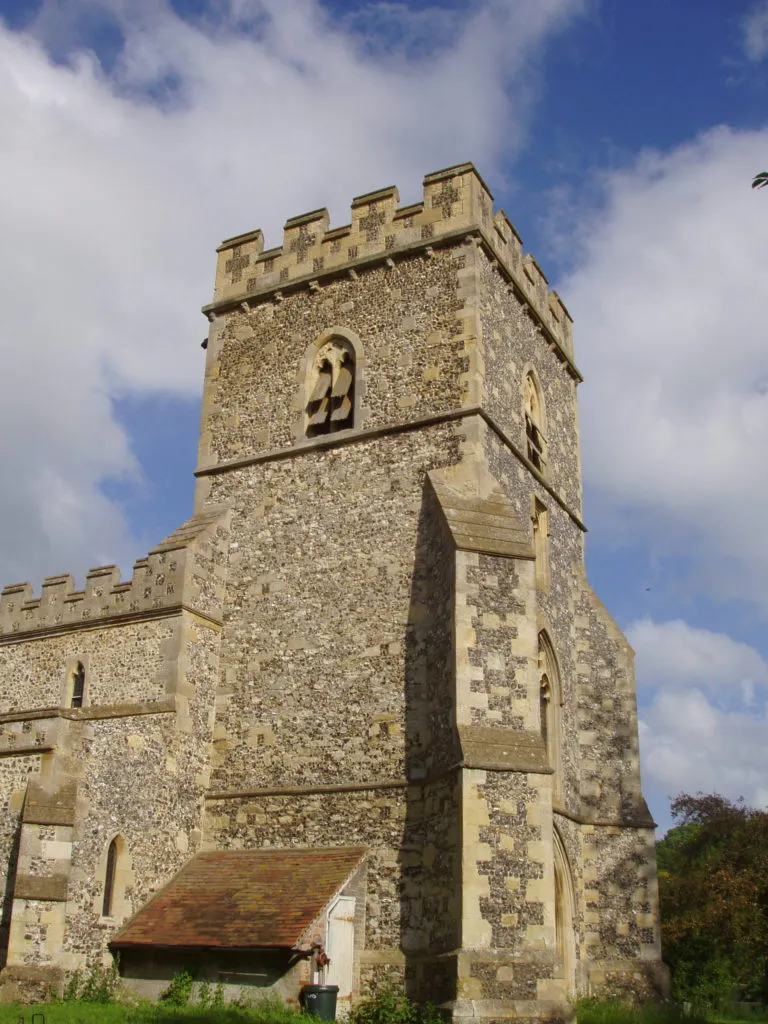 Photo: St Peter's Great Kimble, via www.kimblesjourney.uk
"Last month, I heard from a woman in Toronto whose grandfather was baptised here in 1943," Barnes explains. "She's been listening to our weekly recordings and feels more connected to her family history than ever before. That's not something I could have anticipated when I first pressed 'record' on my phone."
From Necessity to Strategy
Across the Chilterns, what began as emergency pandemic measures has transformed into intentional digital outreach. Holy Trinity Prestwood now produces a weekly podcast called "Faith in the Hills," featuring not just sermons but conversations with local historians, interviews with community volunteers, and seasonal reflections tied to the agricultural calendar that still shapes village life.
 Photo: Holy Trinity Prestwood, via www.cplarchitects.co.uk
Church warden Susan Phillips manages the technical side with equipment that would make many radio stations envious. "We invested in proper microphones and editing software because we realised this wasn't temporary," she says. "Our downloads consistently exceed our Sunday attendance, and we're reaching people who would never step through our doors."
The Practical Challenges
Creating quality audio content requires skills that weren't covered in theological college. Many clergy have found themselves learning about acoustics, editing software, and RSS feeds alongside their traditional pastoral duties.
Deacon Jennifer Walsh from St Mary's Turville took a different approach, partnering with sixth-form students from the local college who needed community service hours. "They teach me the technology, and I help them understand the spiritual content," she explains. "It's become an unexpected form of youth ministry."
The technical learning curve has been steep but rewarding. Several Chilterns churches now share resources, with more tech-savvy congregations mentoring others through the process of establishing podcast feeds and managing online platforms.
Unexpected Audiences
Perhaps the most surprising discovery has been the diversity of listeners these local churches are attracting. Analytics reveal audiences spanning continents, with particular clusters among British expatriates and descendants of local families who emigrated decades ago.
All Saints Lacey Green discovered their monthly "Chilterns Seasons" podcast—which weaves together weather observations, agricultural updates, and scriptural reflections—has found an audience among urban professionals seeking connection to rural rhythms. "We get messages from people in London who say our observations about harvest time or lambing season help them feel grounded," notes Reverend Patricia Coleman.
Beyond Sunday Sermons
The most innovative congregations have moved beyond simply recording services. St Lawrence Little Kimble produces "Walking with Scripture," recorded during actual walks through local footpaths, combining biblical reflection with observations about the natural world.
Meanwhile, Chinnor Methodist Church has launched "Midweek Moments"—five-minute daily reflections recorded by different congregation members, creating a tapestry of voices that represents their community's diversity.
Supporting the Scattered
For many churches, digital audio has proven particularly valuable for maintaining connections with housebound members and families who've relocated. Margaret Thompson, 84, hasn't been able to attend St Nicholas Ibstone regularly since her husband's death, but she downloads every service.
"I listen whilst I'm doing the washing up or sitting in the garden," she explains. "It's like having the vicar visit every week. Sometimes I even listen to the same sermon twice if it particularly speaks to me."
The Global Village Effect
This digital expansion has created unexpected pastoral opportunities. Clergy find themselves corresponding with listeners thousands of miles away, offering spiritual guidance via email and participating in online prayer requests from people they've never met in person.
"Last year, I conducted a memorial service that was live-streamed to family members in four different countries," recalls Barnes. "Technology didn't replace the intimacy of gathering—it extended it to people who couldn't physically be present."
Balancing Local and Global
The challenge for these churches lies in maintaining their essential local character whilst embracing their expanded reach. Most have found success by doubling down on their specific geographical and cultural identity rather than trying to appeal to generic audiences.
"We talk about the weather, mention local landmarks, and reference community events," explains Walsh. "That specificity is actually what people find most appealing. They want authentic local flavour, not sanitised content."
Looking Ahead
As these digital ministries mature, congregations are exploring more sophisticated approaches. Several churches are collaborating on joint podcasts that highlight different aspects of Chilterns church life, whilst others are developing specialized content for specific audiences—young families, bereaved individuals, or people exploring faith for the first time.
The success of these initiatives has also prompted broader conversations about evangelism and community engagement. Churches that once struggled to attract newcomers are finding that digital content serves as a gentle introduction that sometimes leads to physical attendance.
"People listen for months before they visit," notes Coleman. "By the time they walk through our doors, they already know our voices and our approach to faith. It makes that first visit much less intimidating."
For these Chilterns congregations, the journey into digital ministry has revealed something profound about the nature of community itself. Geography still matters, but connection transcends physical boundaries. In an age of increasing isolation, these small churches have discovered that their local voices can offer something the world needs—authentic community, rooted faith, and the particular wisdom that comes from worshipping in the same place, season after season, generation after generation.