Threads of Devotion: The Embroidered Legacy Beneath Our Feet
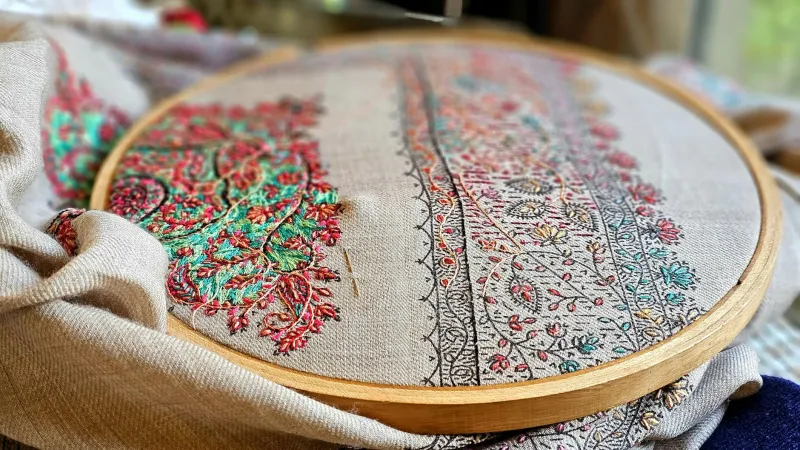
In St Andrew's Church, Chinnor, Margaret Thornbury carefully examines the intricate needlework adorning the chancel kneelers. Each cushion bears witness to decades of prayer, worship, and community dedication. "People don't realise they're kneeling on history," she reflects, running her fingers across a delicate rendering of the Chiltern Hills. "Every thread connects us to those who came before."
 Photo: Chiltern Hills, via xyuandbeyond.com
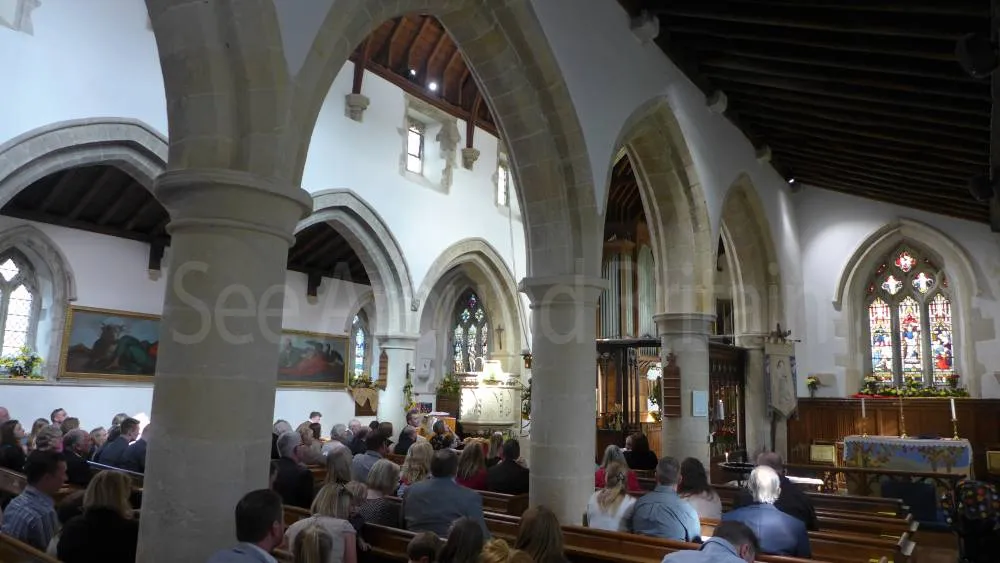 Photo: St Andrew's Church, Chinnor, via cdn.seearoundbritain.com
The Living Archive
Across the Chilterns, church kneelers serve as an unexpected repository of local memory. Unlike formal historical records, these embroidered cushions capture the intimate stories of ordinary parishioners whose faith shaped their communities. In Bledlow church, a series of kneelers commemorates the village's medieval origins, whilst Princes Risborough's collection includes contemporary designs celebrating local landmarks and family milestones.
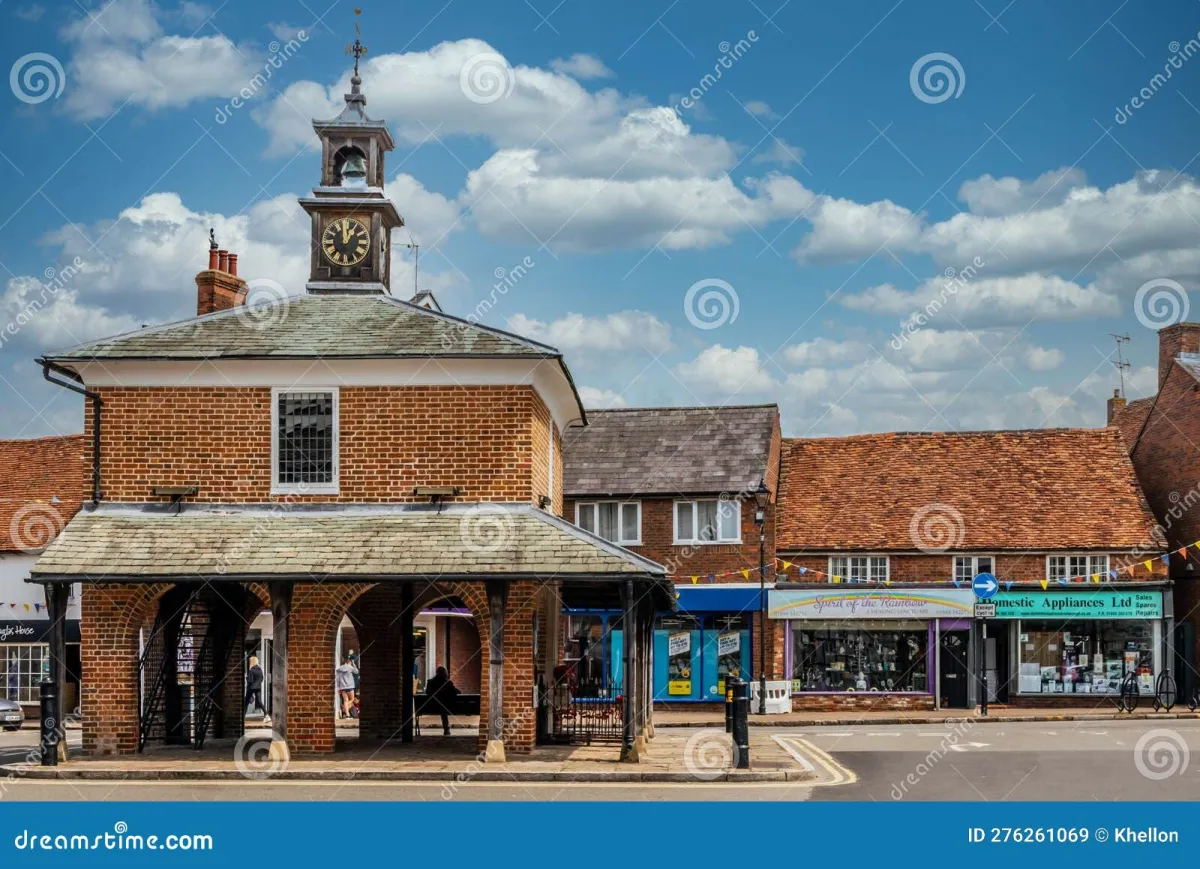 Photo: Princes Risborough, via thumbs.dreamstime.com
Reverend Sarah Mitchell of St Mary's explains the significance: "These kneelers aren't museum pieces. They're touched, used, and treasured daily. Each time someone kneels upon them, they're connecting with the devotion of the embroiderer and the countless prayers offered there."
The tradition extends beyond mere decoration. Many kneelers incorporate symbols specific to individual families or commemorate significant parish events. Wedding dates, baptisms, and memorial dedications are woven into the fabric of worship, creating a tangible link between personal faith journeys and collective church history.
Guardians of the Craft
The women—and increasingly men—who dedicate themselves to this ministry understand their role as custodians of both artistry and memory. Joan Hartwell, who has led the embroidery group at Christ Church for fifteen years, describes the meditative quality of the work: "It's prayer in action. Each stitch is an offering, a moment of quiet reflection on God's goodness."
The technical skill required should not be underestimated. Creating a single kneeler demands months of careful planning, from selecting appropriate biblical imagery to ensuring durability under regular use. Traditional tent stitch and cross-stitch techniques predominate, chosen for their longevity and visual impact when viewed from above.
Younger volunteers bring fresh perspectives whilst respecting established traditions. Emma Clarke, a recent addition to the Chinnor embroidery circle, notes: "I initially worried about matching the standard of work from previous generations. But I've learned that each contribution adds to the story. My modern interpretation of Noah's ark sits alongside Victorian florals, and somehow it all works together."
Stories in Silk and Wool
The iconography chosen for church kneelers reveals much about local priorities and spiritual focus. Agricultural symbols predominate in rural Chilterns parishes, reflecting the area's farming heritage. Sheaves of wheat, grazing sheep, and seasonal imagery connect contemporary worship with the rhythms of countryside life that have sustained these communities for centuries.
Biblical scenes remain popular, though their interpretation often incorporates local elements. The Good Shepherd might appear against a backdrop recognisably Chiltern in character, whilst the Nativity story unfolds in settings that could easily be village scenes from Oxfordshire or Buckinghamshire.
Personal memorials woven into kneeler designs provide particularly poignant examples of faith expressed through craft. A recent addition to Great Kimble's collection depicts a Royal Air Force chaplain's insignia, commemorating a parishioner's wartime service. Such pieces transform abstract concepts of remembrance into tangible expressions of gratitude and love.
Challenges and Continuity
Maintaining this tradition faces practical obstacles. The specialised skills required demand significant time investment, whilst the cost of quality materials can strain parish budgets. Several churches have established dedicated funds to support their embroidery ministries, recognising the long-term value of preserving these skills.
Age demographics present another challenge. Many experienced embroiderers are in their seventies and eighties, raising concerns about continuity. However, initiatives to teach younger generations show promise. St Nicholas Church in Princes Risborough recently launched workshops combining traditional techniques with contemporary designs, attracting participants from across age groups.
The COVID-19 pandemic paradoxically strengthened some embroidery groups. Unable to meet physically, members worked on individual projects at home, sharing progress through digital platforms. This hybrid approach continues, allowing housebound parishioners to contribute whilst maintaining the social bonds that make these groups so valuable.
Beyond Decoration
The true significance of church kneeler embroidery transcends aesthetic considerations. These humble cushions embody the principle that every aspect of worship space deserves careful attention and loving preparation. They demonstrate how individual talents can serve communal spiritual needs, transforming personal creativity into shared blessing.
For many parishioners, the kneelers represent stability in an era of rapid change. Whilst liturgies evolve and church structures adapt to modern needs, these hand-crafted cushions provide tangible continuity with past generations of believers. They anchor worship in local identity whilst pointing towards universal themes of faith, hope, and love.
As Margaret Thornbury concludes her examination of St Andrew's collection, she pauses before a kneeler depicting the Resurrection. "Someone spent months creating this," she observes. "Every time I kneel here, I'm reminded that faith isn't abstract—it's worked out in practical acts of devotion, one stitch at a time."
In the quiet dedication of Chilterns embroiderers, we find a profound truth: that the most lasting monuments to faith are often the smallest, created not for public acclaim but for the simple purpose of supporting others in prayer. These threads of devotion, woven with patience and love, continue to strengthen the fabric of our church communities, preserving stories that might otherwise be forgotten whilst creating beauty that enhances every act of worship.