Digital Devotion: How Chilterns Churches Transform Sacred History Through Modern Technology

Bridging Centuries Through Silicon and Scripture
In the vestry of St Andrew's Church, Margaret Thompson carefully adjusts her laptop screen as she prepares to interview 89-year-old Harold Wickham about his seven decades as a church warden. This scene, replicated across numerous Chilterns parishes, represents a quiet revolution in how faith communities preserve their living heritage.
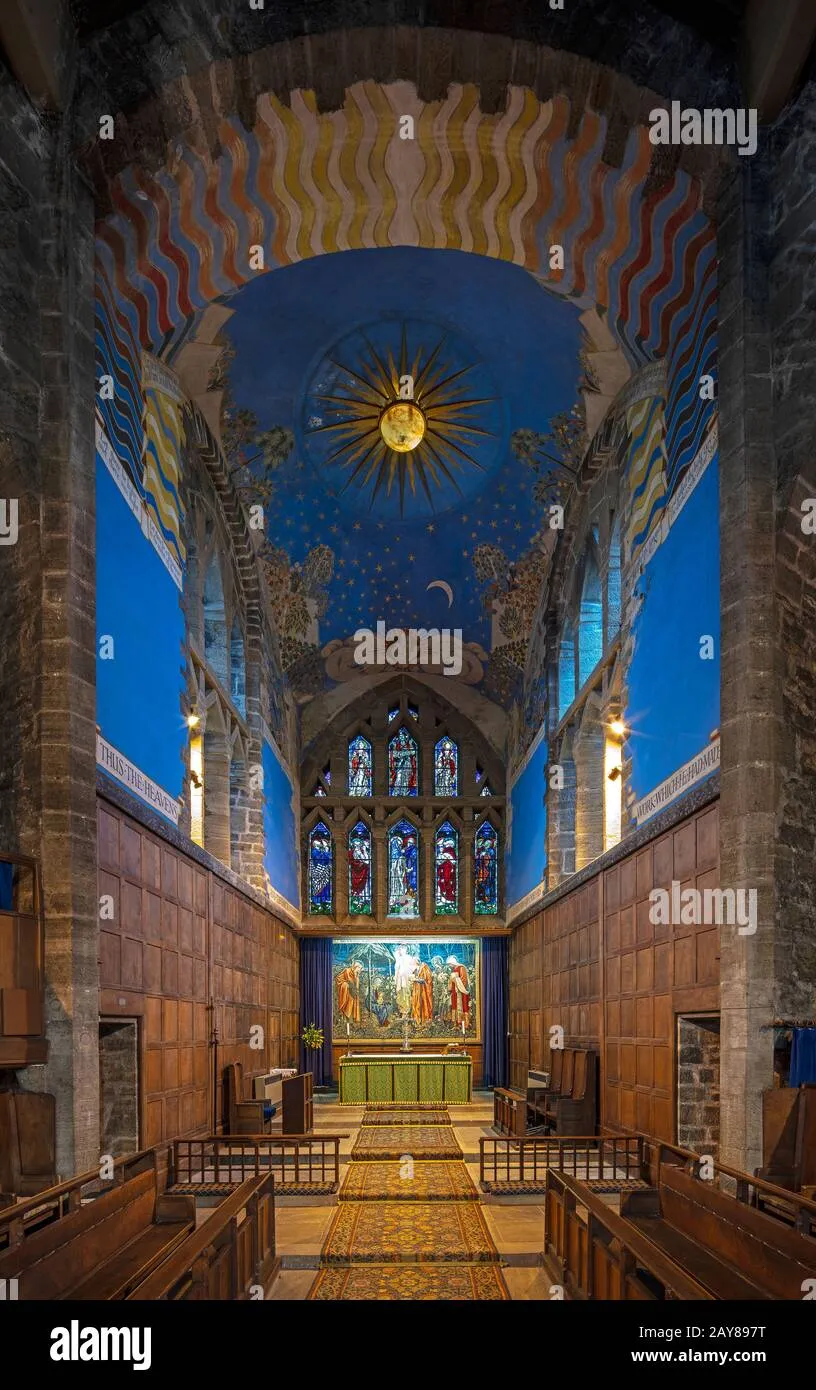 Photo: St Andrew's Church, via c8.alamy.com
"Harold remembers when the church heating was still coal-fired," explains Margaret, coordinator of the Chinnor Churches Heritage Project. "These aren't just nostalgic tales—they're vital records of how our community has weathered change whilst maintaining its spiritual core."
From Parchment to Pixels
The digital transformation of church archives extends far beyond simple record-keeping. At Christ Church, volunteer archivist David Mills has spent three years scanning and cataloguing over 2,000 photographs dating back to the 1920s. Each image tells a story: confirmation classes in post-war Britain, harvest festivals during rationing, Christmas pageants that brought the community together during difficult times.
"We discovered photographs of the 1953 Coronation celebrations in our church hall," Mills reveals. "Seeing those faces—many of whom are grandparents and great-grandparents of current congregation members—creates an extraordinary sense of continuity."
The project utilises cloud-based storage systems that ensure accessibility whilst maintaining security. Parish records, sermon recordings, and community testimonies are now searchable by date, theme, or participant, creating an unprecedented resource for local historians and future generations.
Voices Across Generations
The oral history component proves particularly moving. Reverend Sarah Collins of St Peter's Church describes listening to recordings of former vicars discussing their ministry during the 1970s and 1980s. "Their wisdom about navigating social change, maintaining relevance whilst honouring tradition—these insights remain remarkably pertinent today."
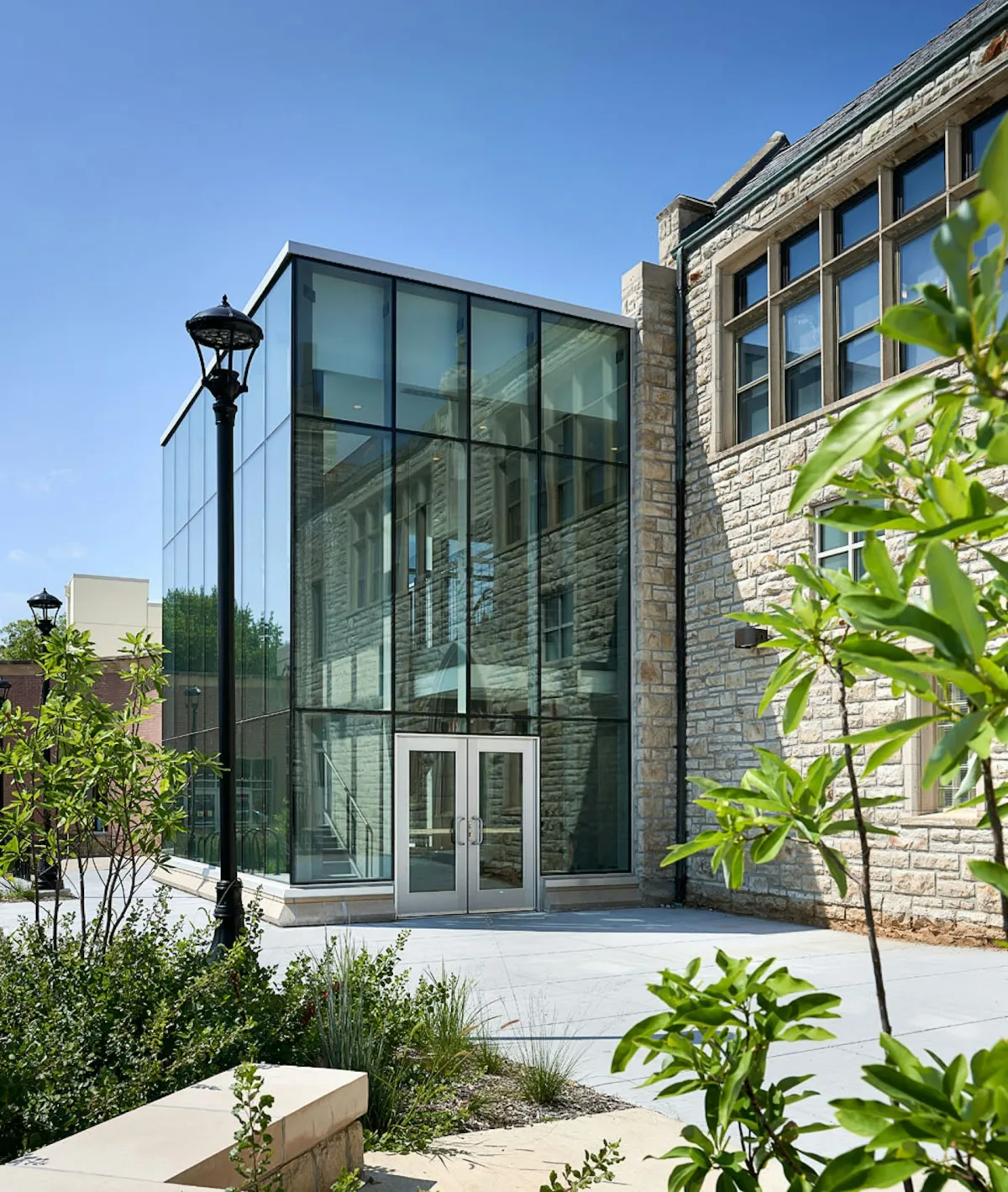 Photo: St Peter's Church, via architizer-prod.imgix.net
Long-standing parishioner Dorothy Ashford, aged 84, recently contributed her memories of wartime Sunday services. "We sang hymns by candlelight during blackouts," she recalls. "Faith wasn't just Sunday morning—it was how we survived."
Younger volunteers bring technical expertise whilst learning from their elders. Teenager James Fletcher, who manages the digital uploads for three local churches, observes: "Hearing Mrs Ashford's stories whilst teaching her to use the recording equipment—it's like time travel. We're preserving voices that might otherwise be lost."
Technology Serving Tradition
The initiative employs various technological approaches. Some churches use professional recording equipment for formal interviews, whilst others encourage informal smartphone recordings during coffee mornings or parish gatherings. The key lies in capturing authentic voices rather than achieving broadcast quality.
Cloud storage ensures redundancy—crucial when preserving irreplaceable heritage. Local IT specialist and church member Tom Richardson explains: "We're not just backing up files; we're safeguarding collective memory. Multiple copies across different platforms mean these stories survive regardless of hardware failures or natural disasters."
Building Tomorrow's Archive Today
Perhaps most significantly, these projects create ongoing traditions rather than one-time preservation efforts. Monthly "Heritage Afternoons" at various churches combine archive viewing with new recording sessions. Families browse historical photographs whilst contributing their own stories to the growing collection.
"Children see their grandparents' baptism photographs then record their own reflections about church life," notes Margaret Thompson. "We're creating an unbroken chain of testimony."
The archives also support practical ministry. Clergy preparing anniversary services access decades of parish magazines and sermon notes. Wedding couples discover their parents' or grandparents' marriage records, creating deeper connections to church history.
Challenges and Opportunities
Not every aspect proves straightforward. Copyright considerations require careful navigation, particularly regarding recorded sermons and musical performances. Data protection regulations demand secure storage protocols whilst maintaining accessibility for legitimate research.
However, these challenges pale beside the opportunities. Plans include creating interactive timelines for church websites, developing educational resources for local schools, and establishing links with regional historical societies.
A Living Legacy
The true measure of success lies not in technological sophistication but in community engagement. Archive viewing sessions regularly attract non-churchgoers curious about local history. Former residents, now living elsewhere, contribute remotely via video calls and digital submissions.
"We're not museum curators," emphasises Reverend Collins. "We're stewards of living tradition. These archives don't just preserve the past—they inform our present ministry and inspire future generations."
As Harold Wickham concludes his interview with Margaret Thompson, discussing changes he's witnessed across seven decades of church life, their conversation embodies the project's essence: faithful people using modern tools to ensure ancient wisdom endures.
The steeples still point heavenward, but now smartphones and servers help ensure their stories reach future generations with clarity and conviction.