Earth to Earth: How Chilterns Churches Embrace Nature's Final Blessing
A Return to Simplicity
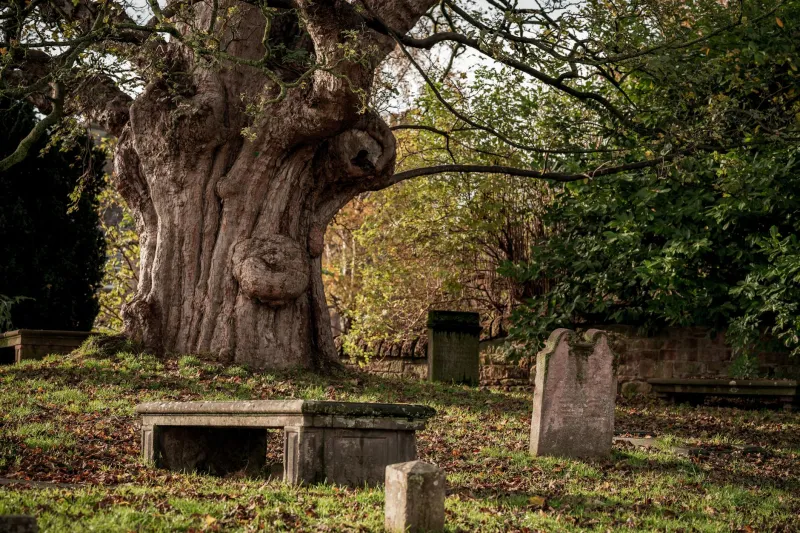
In the rolling countryside of the Chilterns, where creation's beauty speaks volumes about divine craftsmanship, a quiet transformation is taking place in how we lay our loved ones to rest. The ancient words "earth to earth, ashes to ashes" are taking on renewed meaning as more families choose burial practices that honour both their faith and their environmental convictions.
Reverend Sarah Mitchell of St Andrew's Chinnor has witnessed this shift firsthand. "Last year alone, we conducted three woodland burials and blessed four families choosing biodegradable urns," she explains. "What strikes me most is how these choices often deepen rather than diminish the spiritual conversation surrounding death and resurrection."
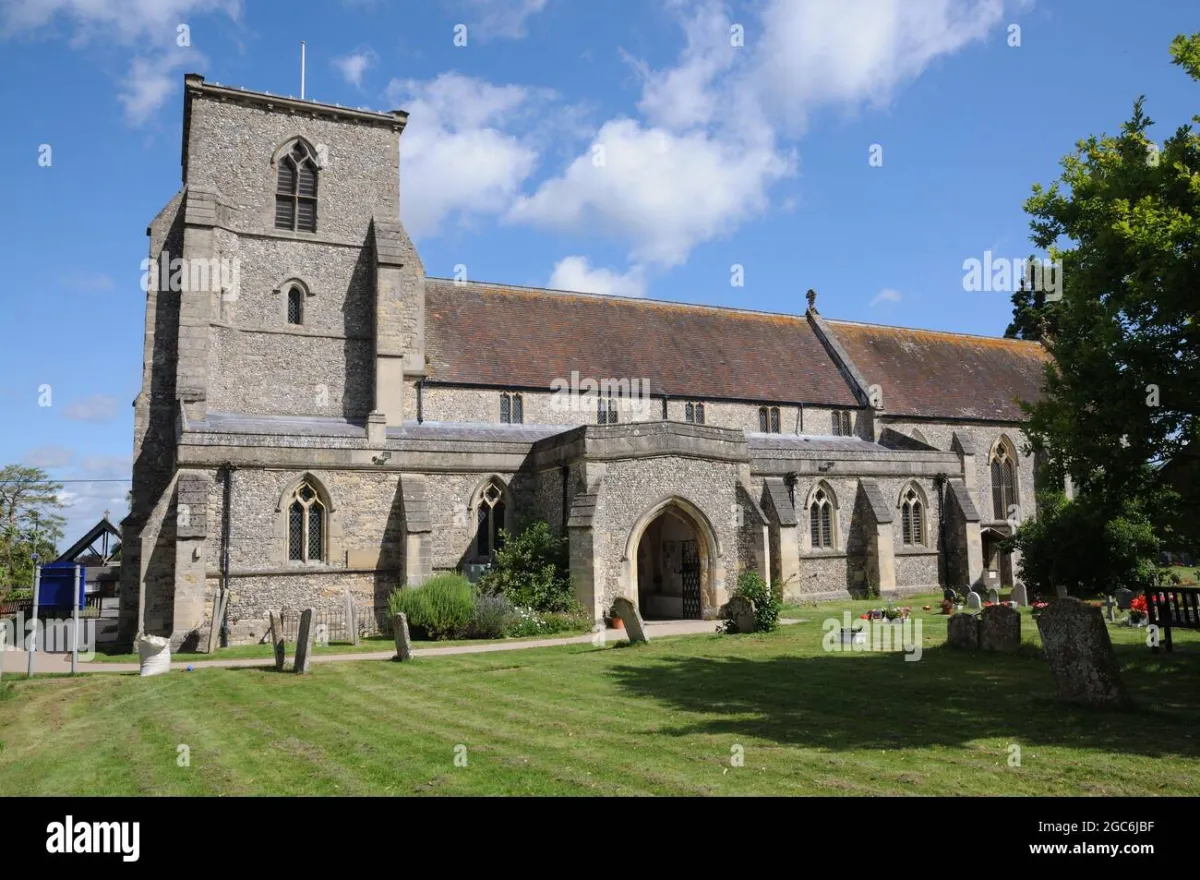 Photo: St Andrew's Chinnor, via c8.alamy.com
Sacred Stewardship in Practice
The theological foundation for green burial practices finds solid ground in Christian teaching about stewardship of creation. As Father David Thompson from Sacred Heart notes, "We are called to be caretakers of God's creation throughout our lives. Why should that responsibility end at death?"
This perspective has led several Chilterns churches to examine their own burial grounds with fresh eyes. St Mary's Bledlow recently designated a section of their churchyard specifically for natural burials, where families can choose simple wooden caskets and native wildflower plantings instead of traditional headstones.
"The Church of England's guidance is quite clear," explains Reverend Mitchell. "There's nothing in our doctrine that requires embalming or non-biodegradable materials. In fact, returning to simpler burial practices connects us more closely to our historical roots."
Pastoral Care in Green Spaces
The practical aspects of counselling families through eco-friendly funeral choices require particular sensitivity. Many congregants arrive with questions about whether their environmental values align with their faith commitments.
Margaret Williams, a pastoral care volunteer at St Bartholomew's Fingest, describes her approach: "I often begin by reminding families that Jesus himself was buried simply, wrapped in linen cloth. There's profound beauty in choosing a burial that reflects our belief in resurrection whilst caring for the earth that sustains the living."
The conversation often extends beyond immediate funeral arrangements to broader questions about legacy and remembrance. Woodland burial sites, for instance, offer different ways to honour memory—through tree dedications, memorial benches, or contributing to conservation efforts.
Practical Considerations
For clergy navigating these waters, preparation has become essential. Many Chilterns ministers now maintain relationships with natural burial grounds across Oxfordshire and Buckinghamshire, understanding their specific requirements and visiting policies.
"Families need to know practical details," notes Reverend Thompson. "How will they visit the grave? What happens to memorial markers over time? How do we balance individual grief with collective environmental responsibility?"
Some creative solutions have emerged. At Speen Baptist Church, the congregation has established a memorial garden where families choosing cremation with biodegradable urns can create lasting remembrance through native plantings and seasonal flowers.
Bridging Tradition and Innovation
Perhaps most significantly, these conversations are fostering deeper theological reflection about resurrection, creation, and our relationship with the natural world. Bible study groups across Chinnor are exploring passages about creation care with renewed interest, often prompted by families preparing for or processing green burial experiences.
"We're rediscovering that caring for creation and honouring our departed aren't competing values," reflects Deacon James Harrison from St Nicholas Ibstone. "They're complementary expressions of our faith in a God who calls all things good."
Looking Forward
As this movement continues to grow, Chilterns churches are positioning themselves as thoughtful guides rather than gatekeepers. The emphasis remains on supporting families through grief whilst helping them make choices that reflect their deepest values.
The conversation about green burials has also sparked broader discussions about environmental stewardship within church communities. Several congregations have established creation care committees, examining everything from energy usage to garden management through the lens of faithful environmental responsibility.
For families considering these options, local clergy emphasise that the choice itself matters less than the opportunity for meaningful conversation about faith, values, and legacy. As Reverend Mitchell concludes, "Whether someone chooses a traditional burial or a woodland grave, our role is to help them encounter God's presence in their grief and find hope in the promise of resurrection."
In the Chilterns, where spring bluebells carpet ancient woodlands and harvest festivals celebrate creation's abundance, the integration of environmental consciousness with ancient faith traditions feels particularly natural—a fitting testament to the enduring wisdom of earth to earth, dust to dust, in sure and certain hope of resurrection life.