Nine Days That Changed Everything: How Global Prayer is Reshaping Pentecost Across Chinnor's Churches
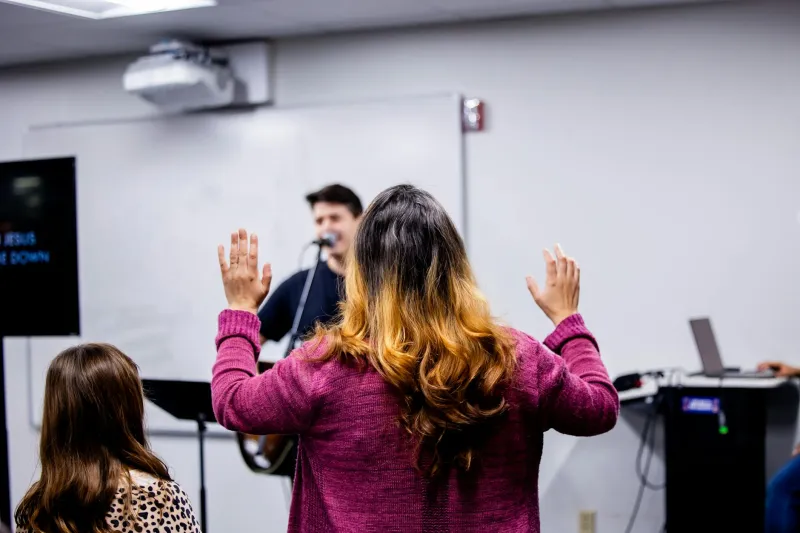
A Movement Born from Canterbury
What began as a simple invitation from the Archbishop of Canterbury in 2016 has become a global phenomenon that reaches from the hallowed halls of Westminster Abbey to the intimate parish churches dotting the Chilterns landscape. Thy Kingdom Come, the worldwide prayer movement that transforms the nine days between Ascension and Pentecost into a season of focused intercession, has found particularly fertile ground among Chinnor's faith communities.
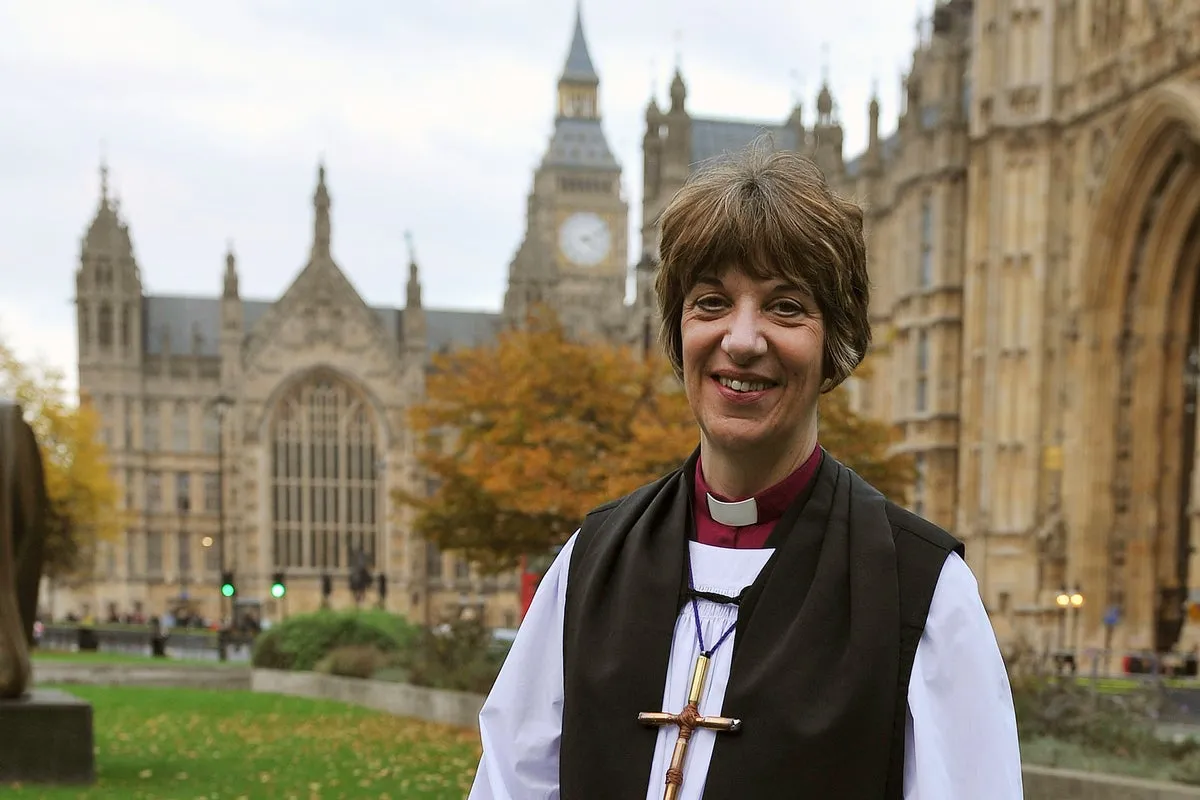 Photo: Archbishop of Canterbury, via media.zenfs.com
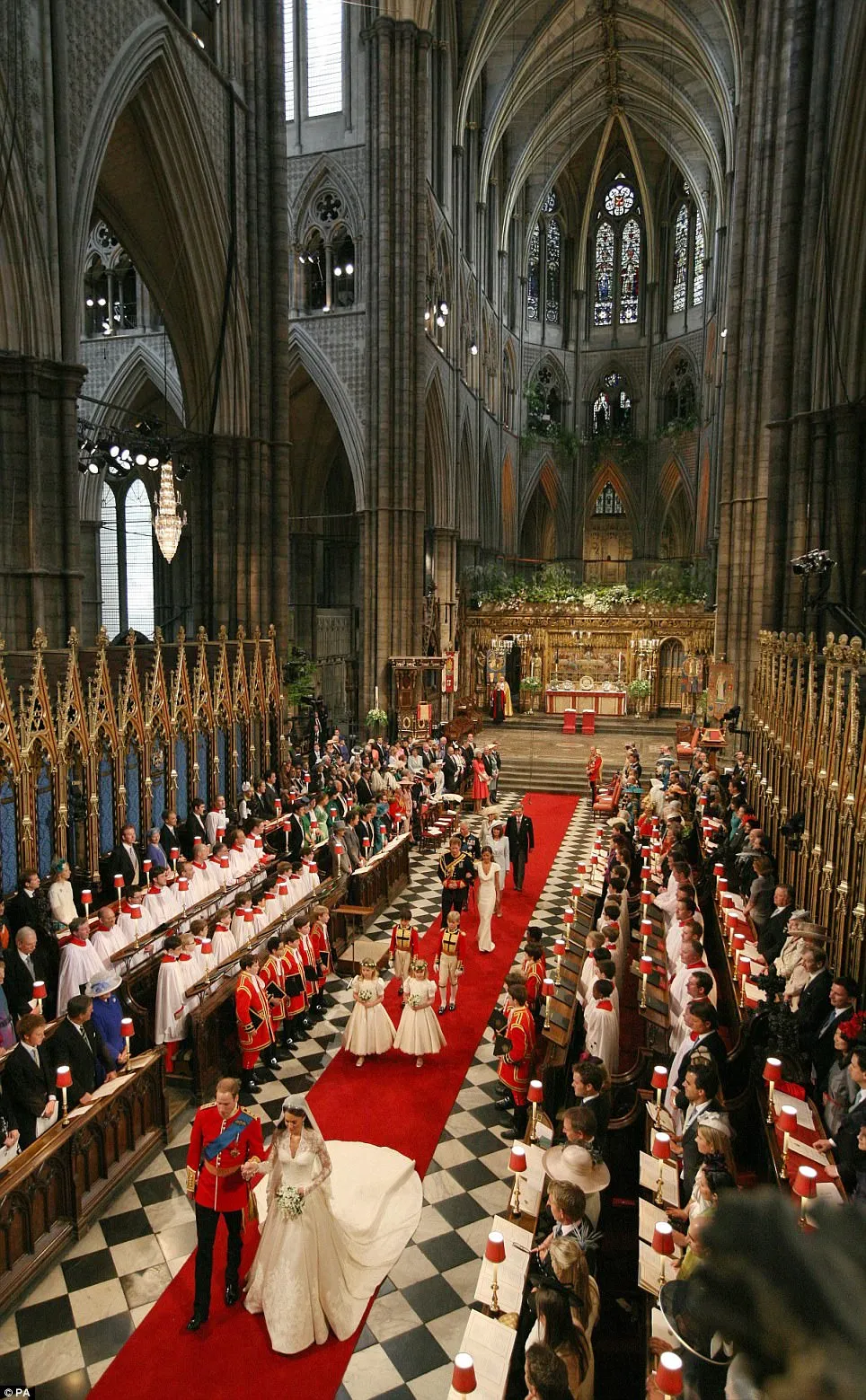 Photo: Westminster Abbey, via i.dailymail.co.uk
"It's extraordinary how something so simple—praying for others to know Jesus—has created such profound connections," reflects Sarah Mitchell, who coordinates the initiative across three local churches. "We've discovered that when we pray intentionally for our neighbours, our colleagues, our family members, something shifts not just in them, but in us."
Beyond Individual Prayer: Building Community Through Intercession
The genius of Thy Kingdom Come lies not merely in its simplicity, but in how it weaves individual devotion into collective purpose. Across Chinnor's churches, congregations have embraced creative approaches that honour both personal reflection and communal worship.
At St Andrew's, the ancient practice of keeping vigil has been reimagined for modern life. Rather than expecting participants to maintain continuous prayer throughout the night, the church has created "prayer shifts"—two-hour slots that church members can sign up for, ensuring that intercession continues around the clock during the nine-day period.
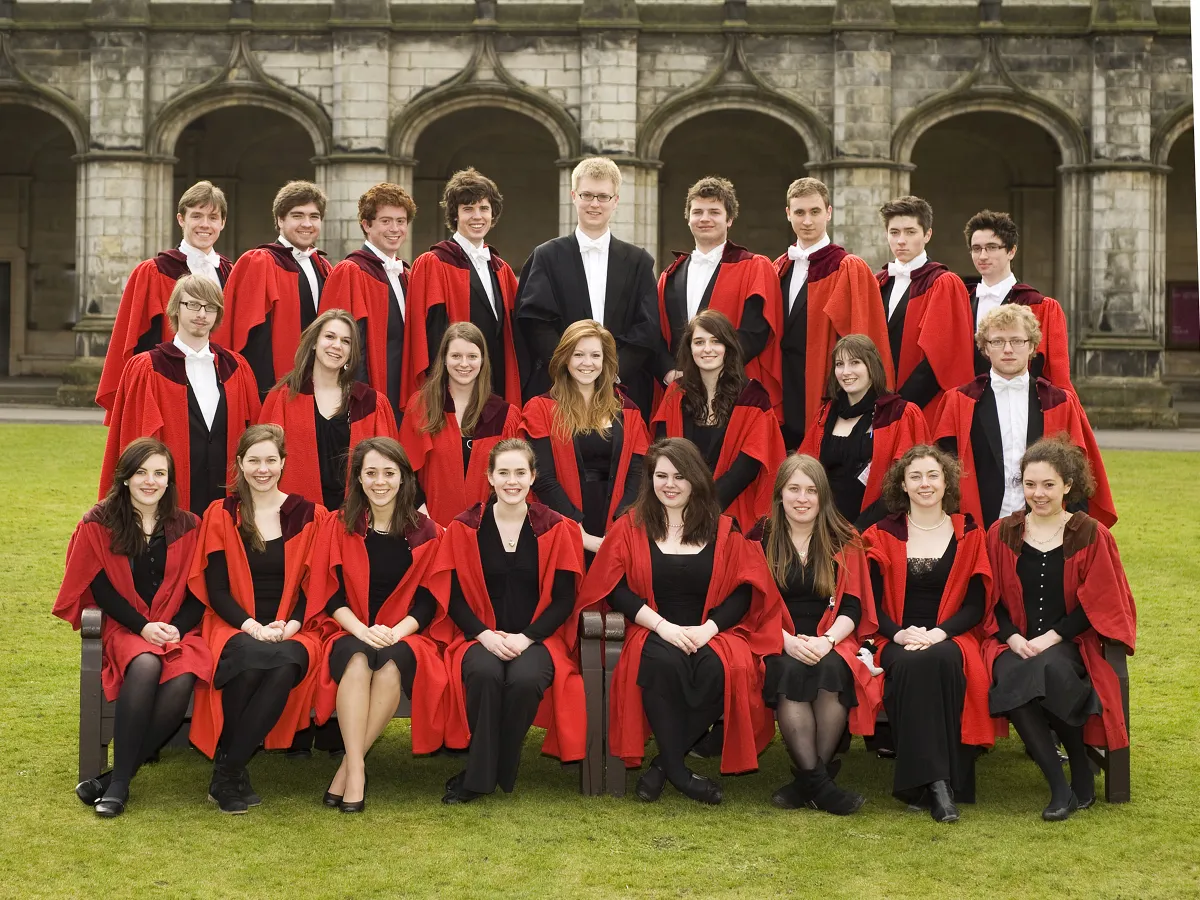 Photo: St Andrew's, via smapse.com
"We've had everyone from teenagers finishing their GCSEs to retired farmers taking part," explains Reverend David Thompson. "There's something profoundly moving about knowing that as you finish your prayer time at 2am, someone else is beginning theirs. It creates a sense of continuity that transcends individual effort."
Personal Transformation Through Global Purpose
The testimonies emerging from participants reveal how this global movement is catalysing deeply personal spiritual renewal. Margaret Hartwell, a longtime member of the Methodist chapel, describes her experience: "I've been a Christian for forty years, but writing down the names of five people I wanted to pray for—really thinking about their faces, their struggles, their hopes—it made prayer feel urgent again."
For younger participants, the movement offers a bridge between traditional faith practices and contemporary spiritual hunger. Emma Richardson, who returned to church after university, found in Thy Kingdom Come a way to engage with evangelism that felt authentic rather than forced.
"I've always struggled with the idea of 'witnessing' to people," she admits. "But praying for them, holding their needs before God, asking for opportunities to show love rather than deliver speeches—that feels like something I can genuinely embrace."
Creative Expressions of Ancient Faith
The flexibility of Thy Kingdom Come has allowed Chinnor's churches to experiment with diverse expressions of prayer and worship. Some congregations have embraced contemplative practices, creating prayer gardens where individuals can walk labyrinthine paths while holding their chosen names in silent intercession.
Others have turned to more dynamic expressions. The Baptist church has organised "prayer walks" through Chinnor's streets, with participants pausing at significant locations—the school, the surgery, the care home—to offer specific prayers for the community's wellbeing.
"We're not knocking on doors or distributing leaflets," clarifies Pastor James Clarke. "We're simply walking through our village with intentional love, asking God to bless the people who live and work here. It's evangelism through presence rather than proclamation."
Bridging Denominational Divides
Perhaps most significantly, Thy Kingdom Come has provided common ground for Chinnor's various denominations to collaborate without compromising their distinct traditions. The shared focus on prayer and the common period of observance have enabled joint services and combined initiatives that might otherwise prove challenging to coordinate.
"When you're all praying for the same fundamental thing—that people would encounter God's love—denominational differences seem less important," observes Reverend Thompson. "We've found ourselves naturally working together in ways that feel organic rather than forced."
Looking Forward: Sustaining the Movement
As the movement enters its eighth year, local coordinators are reflecting on how to maintain momentum while avoiding the institutionalisation that can drain grassroots initiatives of their vitality. The key, many suggest, lies in remembering that Thy Kingdom Come is not primarily about church growth or numerical targets, but about genuine love for others.
"The moment this becomes a programme rather than a prayer movement, we've lost something essential," warns Sarah Mitchell. "The power lies in its simplicity—ordinary people praying extraordinary prayers for people they care about."
For Chinnor's churches, Thy Kingdom Come represents more than a seasonal observance; it embodies a vision of faith that is both deeply rooted in tradition and dynamically responsive to contemporary spiritual hunger. As congregations prepare for this year's nine-day journey from Ascension to Pentecost, they carry with them the accumulated wisdom of previous years and the fresh expectation that prayer, offered in love, continues to change everything.