From Oven to Altar: The Sacred Revival of Liturgical Baking Across the Chilterns
The Scent of Sacred Seasons
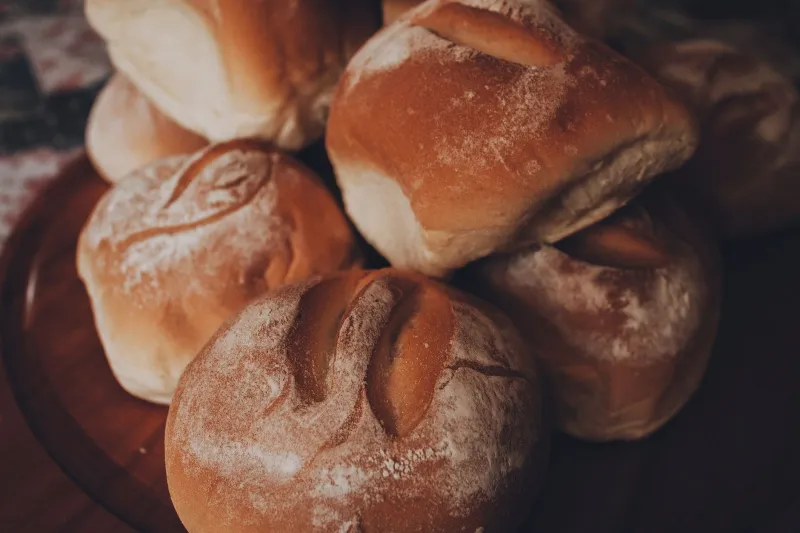
The aroma that drifts from St Andrew's church kitchen on the Tuesday before Easter tells a story older than the building itself. Here, Margaret Whitfield kneads dough for hot cross buns with the same deliberate care her grandmother taught her sixty years ago, each movement a prayer, each batch a connection to centuries of faithful bakers who understood that food made by hand carries particular grace.
 Photo: St Andrew's church, via img.freepik.com
"People ask why we don't simply buy them from the supermarket," Margaret says, her flour-dusted hands shaping the traditional crosses with practised precision. "But there's something lost in that transaction. When you make these buns yourself, when you speak the prayers whilst the dough rises, you're participating in the mystery rather than merely consuming it."
Across the Chilterns, a quiet renaissance is taking place in church kitchens as congregations rediscover the profound spiritual significance of liturgical baking. From Allhallowtide soul cakes to Whitsun simnel traditions, these ancient customs are finding new life amongst communities hungry for authentic connection to their faith heritage.
Kneading Prayer into Tradition
The revival began almost by accident at Holy Trinity when volunteer coordinator Sarah Chen suggested making their own communion wafers rather than ordering them from religious suppliers. What started as a cost-saving measure evolved into something far more meaningful.
 Photo: Holy Trinity, via e7.pngegg.com
"The first time I held a communion wafer I had made myself, I wept," recalls Sarah, her voice soft with memory. "It wasn't just bread anymore—it was my prayer, my intention, my offering transformed into something sacred. Every Sunday when I see congregants receiving communion, I know that bread has been touched by love, shaped by devotion."
The communion wafer ministry has expanded to include several volunteers who gather monthly for what they call 'prayer baking sessions.' Using traditional recipes that require only flour, water, and salt, they create hundreds of wafers whilst sharing stories, concerns, and gratitude. The simplicity of the ingredients belies the profound spiritual experience of the process.
Seasonal Rhythms, Ancient Wisdom
Each season of the church year brings its own baking traditions, many of which had been dormant for decades before enthusiastic volunteers began researching and reviving them. At Christ Church, the Allhallowtide season now features authentic soul cake workshops, where families learn to make the traditional treats once given to carollers in exchange for prayers for the dead.
 Photo: Christ Church, via www.kalmbachnet.de
"These weren't just biscuits," explains local historian and church member Robert Davies, who researched the original recipes in parish records dating back to the 1600s. "They were tangible expressions of the communion of saints, physical reminders that death doesn't sever our connections to one another. When children today make soul cakes, they're participating in that same understanding."
The workshop draws families from across the community, many with no previous church connection. Eight-year-old Lucy Morrison, attending with her grandmother, delights in pressing traditional patterns into the dough. "Nan says when I make these, I'm helping remember people who died," she explains solemnly. "That seems important."
The Theology of Flour and Yeast
Reverend James Patterson of St Mary's speaks eloquently about the theological significance of baking within church communities. "Jesus spoke constantly in parables about bread, about yeast, about the kingdom of heaven being like flour worked through dough. When we bake together, we're literally embodying those teachings."
His church has pioneered 'theology through baking' sessions where participants explore biblical passages whilst preparing traditional breads. The meditative nature of kneading creates space for reflection that formal Bible study sometimes lacks.
"There's something about working with your hands that opens different pathways to understanding," observes participant Mary Thompson. "When Jesus talks about the parable of the leaven, I understand it differently now that I've watched yeast transform heavy dough into light bread. The metaphor becomes lived experience."
Community Rising
The baking ministry has created unexpected bridges within congregations. Professional baker James Morrison, initially sceptical about amateur efforts, now volunteers his expertise whilst learning traditional recipes he'd never encountered in commercial training.
"These church bakers taught me that technique without intention creates food, but technique with prayer creates something transcendent," he reflects. "I've started incorporating moments of gratitude into my professional work, and customers notice the difference."
The intergenerational aspect proves particularly powerful. Teenagers who struggle with traditional worship find meaning in creating food for church events. Elderly members share skills and stories whilst teaching younger volunteers. The church kitchen becomes a space where faith is transmitted through flour-dusty hands and shared labour.
Challenges and Adaptations
The revival hasn't been without obstacles. Food safety regulations require careful navigation, with volunteers completing hygiene training and kitchens meeting health authority standards. Some traditional recipes require adaptations for modern dietary restrictions—gluten-free communion wafers, vegan soul cakes, reduced-sugar festival breads.
"We've learned to honour tradition whilst embracing inclusion," explains kitchen coordinator Patricia Wells. "The spirit of the practice matters more than rigid adherence to historical recipes. If someone can't eat wheat, we find ways to ensure they can still participate in the spiritual experience."
Cost considerations also shape the ministry. Ingredients for large-scale baking represent significant expense for church budgets. Creative solutions include bulk purchasing cooperatives between churches, donation drives for specialty items like saffron for simnel cakes, and partnerships with local suppliers who offer discounts for charitable organisations.
The Feast of Pentecost
Perhaps nowhere is the revival more evident than in the elaborate preparations for Whitsun celebrations. At St Andrew's, the traditional simnel cake—rich with fruit and adorned with eleven marzipan balls representing the faithful apostles—requires weeks of preparation.
"The cake becomes a calendar," explains baker Elizabeth Hartwell. "We soak the fruit six weeks early, make the marzipan a month ahead, bake the cake a fortnight before Pentecost. Each stage marks our journey towards celebration. By the time we share it on Whitsunday, that cake carries the prayers and anticipation of our entire community."
The Pentecost feast now draws visitors from neighbouring parishes, all eager to taste traditions their own churches have yet to revive. Recipes are shared freely, creating networks of liturgical bakers across the Chilterns who support and inspire each other's efforts.
Sacred Economics
The baking ministry operates on principles that challenge conventional economic thinking. Nothing is sold—everything is given freely, reflecting the gift economy of early Christian communities. Members contribute ingredients according to their means, with surplus costs absorbed by the church's mission budget.
"We're not running a bakery," clarifies Reverend Patterson. "We're practising resurrection—taking simple ingredients and transforming them through love and intention into something that nourishes both body and spirit. You can't put a price on that."
Future Flourishing
As the liturgical baking revival spreads, churches are documenting recipes and techniques for future generations. St Mary's has created a cookbook combining traditional recipes with theological reflections, whilst Christ Church offers monthly workshops open to the wider community.
Young mother Emma Davidson, new to both baking and church attendance, speaks for many when she describes the transformative power of the ministry. "I came for the practical skills but stayed for the spiritual nourishment. There's something profound about creating food with intention, about knowing your hands have shaped something that will become part of worship, part of celebration, part of community memory."
In the rising dough and warming ovens of Chilterns church kitchens, ancient wisdom finds contemporary expression. Each loaf kneaded, each biscuit shaped, each cake adorned becomes a prayer made tangible, a tradition reborn, a community nourished in ways that extend far beyond mere sustenance. The sacred art of liturgical baking reminds us that the most profound spiritual experiences often emerge from the simplest acts—flour and water, hands and hearts, working together to create something beautiful for the glory of God.