Sacred Walls, Secular Futures: The Agonising Choices Facing Chinnor's Dwindling Congregations
Photo: Jebulon, CC0, via Wikimedia Commons
Sacred Walls, Secular Futures: The Agonising Choices Facing Chinnor's Dwindling Congregations
A church building is never merely a building. It is the accumulated memory of a community — the site of baptisms and burials, of marriages and midnight prayers, of generations who gathered within the same walls to mark the moments that matter most. When that building falls silent, the question of what it becomes next carries a weight that no planning application can fully capture.
Across the Chilterns, this question is being asked with increasing urgency. A combination of declining congregation sizes, escalating maintenance costs, and the practical realities of sustaining multiple historic structures has placed a number of church buildings in a position of genuine uncertainty. Some face the formal process of redundancy. Others persist in a kind of institutional limbo — too beloved to close, too costly to maintain adequately, and too theologically significant to repurpose without considerable anguish.
The Scale of the Challenge
The Church of England alone manages approximately 16,000 listed buildings across England, representing the single largest collection of historic structures in the country. Many of these are in rural areas where congregations have contracted over recent decades, and the Chilterns region is not immune to this broader pattern. Maintaining a mediaeval stone church with a leaking roof, inadequate heating, and a regular Sunday attendance of fewer than thirty people presents a financial equation that few small parishes can sustain indefinitely.
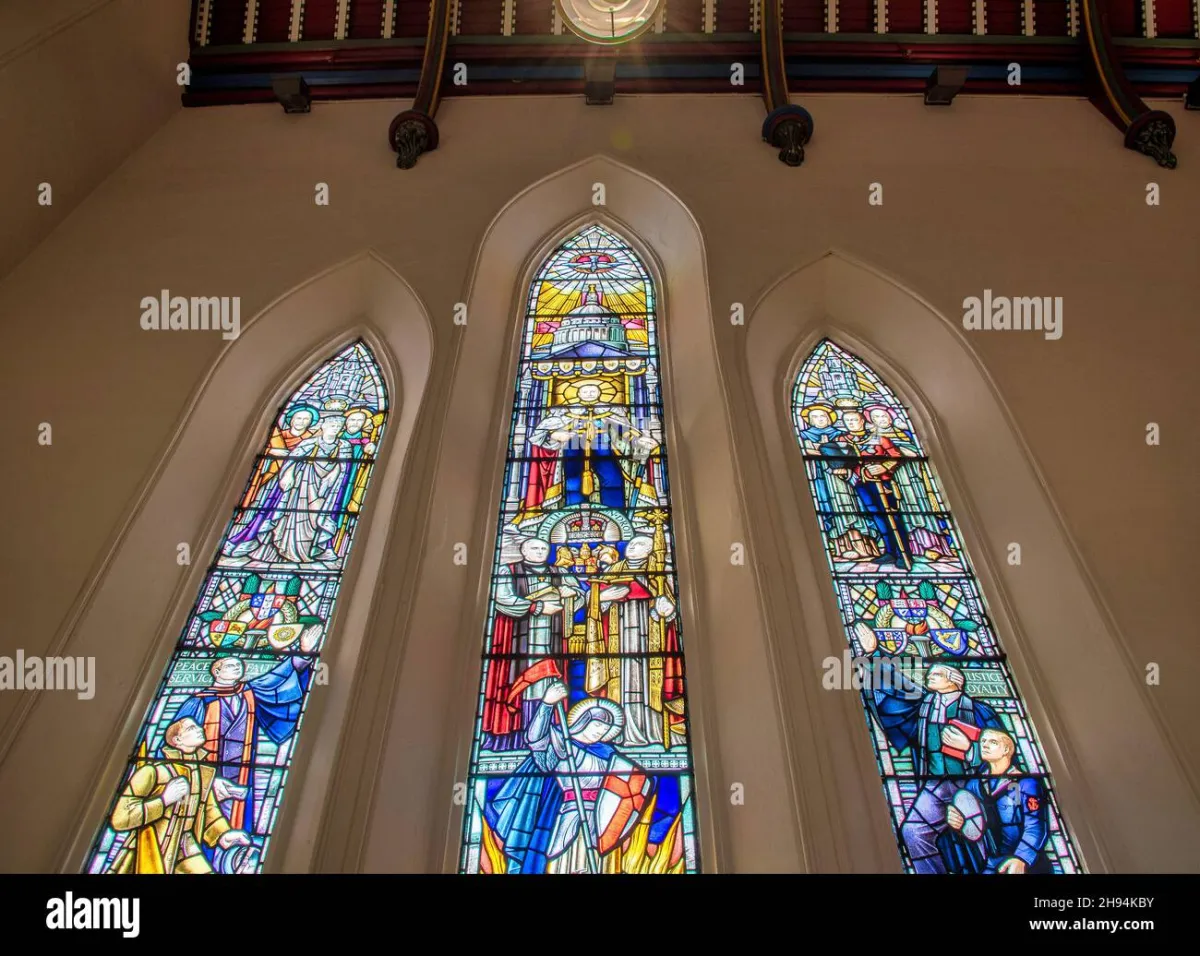 Photo: Church of England, via c8.alamy.com
The Diocese of Oxford, within whose jurisdiction many local churches fall, has developed frameworks for addressing redundancy and reuse, but the processes involved are lengthy, complex, and emotionally charged. A building may be formally declared redundant only after exhaustive consultation, and even then the range of permitted future uses is carefully circumscribed by both ecclesiastical law and secular planning regulations.
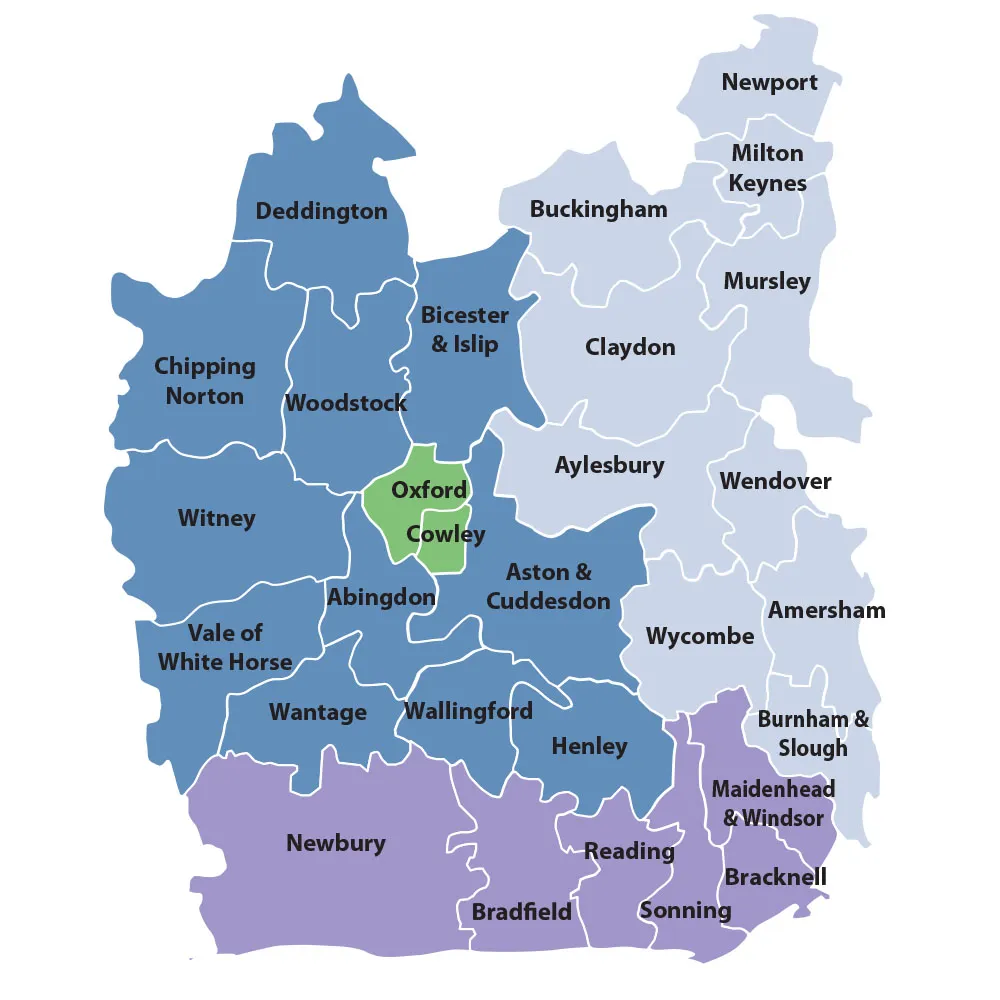 Photo: Diocese of Oxford, via www.oxford.anglican.org
For congregations facing this prospect, the experience is rarely straightforward. "It feels like a bereavement," says one long-standing member of a small Chilterns congregation that has been in discussions with its diocese about the future of its building. "People's parents were married there. Their children were baptised there. You can't just put a number on that."
The Planning Labyrinth
For those involved in the practical work of repurposing a redundant church, the regulatory landscape presents its own formidable challenges. Most historic church buildings carry statutory listing, meaning that any significant alteration — let alone a change of use — requires Listed Building Consent in addition to standard planning permission. Where a building sits within a Conservation Area, further layers of scrutiny apply.
Architects who specialise in the sensitive adaptation of historic religious buildings speak of the particular demands the work makes. The need to preserve character-defining features — stained glass, original stonework, timber roof structures — while making a building habitable and functional for a new purpose requires both technical skill and genuine sensitivity to the building's heritage.
"You are always working with what the building wants to be," explains one architect with experience of several Chilterns church conversion projects. "The best outcomes happen when the new use respects the spatial qualities of the original. A high nave, for example, is very difficult to subdivide without losing everything that makes the space significant. The buildings that work best as community halls or performance spaces are often those where the architecture is allowed to remain largely intact."
Conversion to residential use — typically the most financially viable option from a developer's perspective — tends to generate the most controversy. The prospect of a church becoming private housing sits uncomfortably with many former congregation members and local residents, even when the alternative is continued deterioration. Local planning authorities must weigh the community benefit of bringing a listed building back into active use against the loss of a facility that might otherwise serve collective purposes.
Community Hub or Sacred Memory?
Among the most widely supported alternative uses for redundant churches is conversion to a community hub — a space that might house a food bank, a café, meeting rooms, or a venue for local arts and cultural events. Several such conversions have been undertaken successfully in the wider region, and they are frequently cited as examples of how a building can retain its civic significance even after its original religious function has ceased.
Yet even this outcome is not without its complications. Questions of ownership, ongoing maintenance responsibility, and governance can prove as contentious as the original decision to close. A community hub requires sustained community investment, both financial and voluntary, and the track record of such projects across the country is mixed.
For some clergy and congregation members, the most theologically honest response to a redundant building is neither conversion nor sale but patient waiting. There are examples from across England of churches that stood largely unused for a period of years before a renewed congregation or a specific community need gave them fresh purpose. This approach demands a tolerance for uncertainty that is not always easy to sustain, but it reflects a conviction that sacred spaces carry a particular kind of potential that should not be foreclosed prematurely.
Voices from the Pews
Perhaps the most striking aspect of these conversations, when one listens carefully, is the degree to which they surface questions that extend well beyond bricks and mortar. What does a community owe to its past? How does a congregation grieve a building while continuing to be the church? And what does faithfulness look like when the inherited forms of institutional life can no longer be sustained?
These are not questions with easy answers. But they are, in their way, deeply important ones — and the Chinnor area churches are not alone in wrestling with them. As the broader Church of England continues to develop its strategy for its built estate, local communities will need both practical support and genuine pastoral care to navigate what lies ahead.
The walls may be silent. The conversation, mercifully, is not.