Sacred Journeys: The Pilgrimage Renaissance Transforming Chilterns Faith Communities
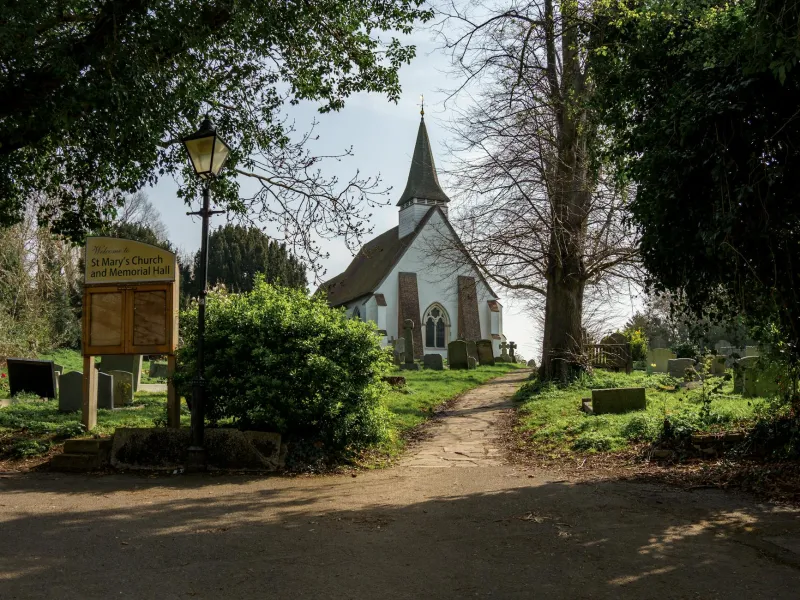
The early morning mist clings to the Icknield Way as twenty-three members of Chinnor's St Andrew's congregation begin their three-day pilgrimage to the shrine of St Alban. What started as nervous chatter at the coach park transforms into contemplative silence as ancient footpaths draw these modern pilgrims into rhythms of prayer and reflection that have sustained spiritual seekers for over a millennium.
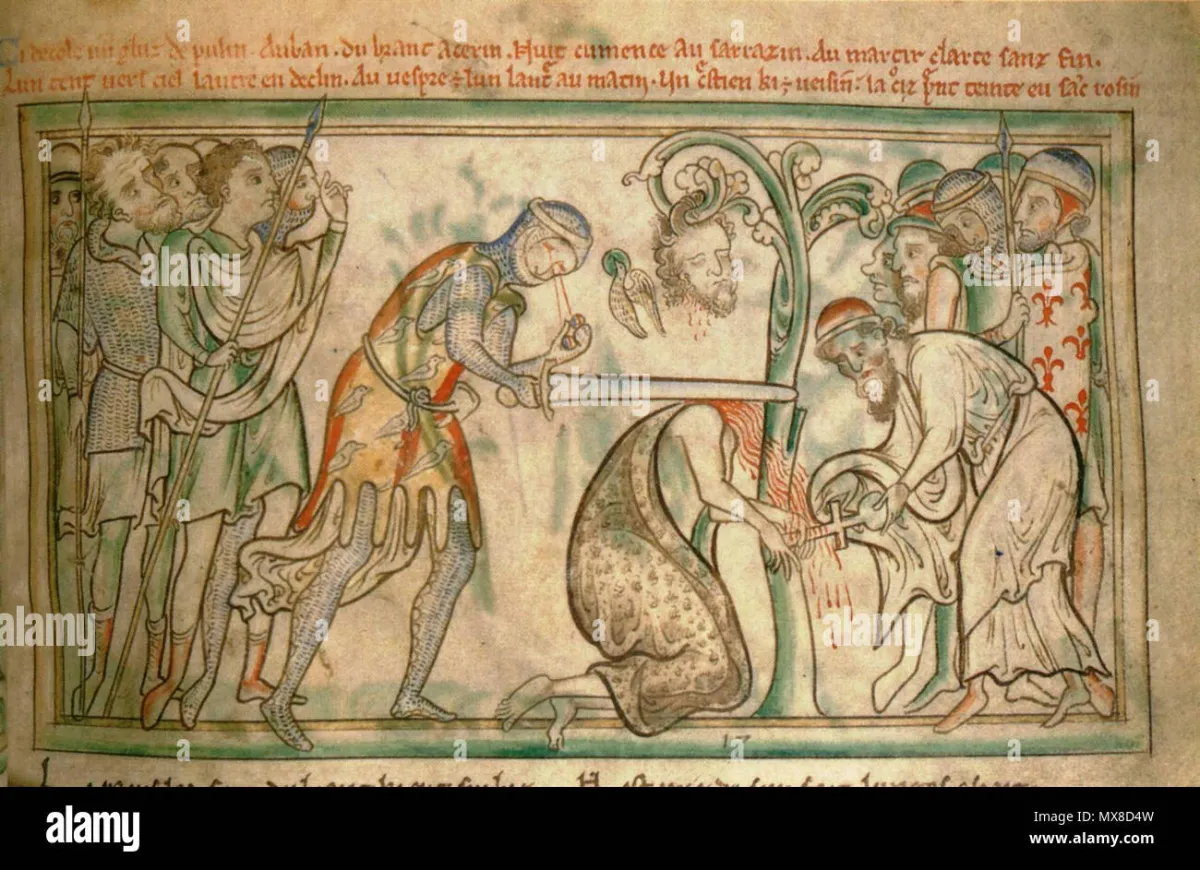 Photo: St Alban, via c8.alamy.com
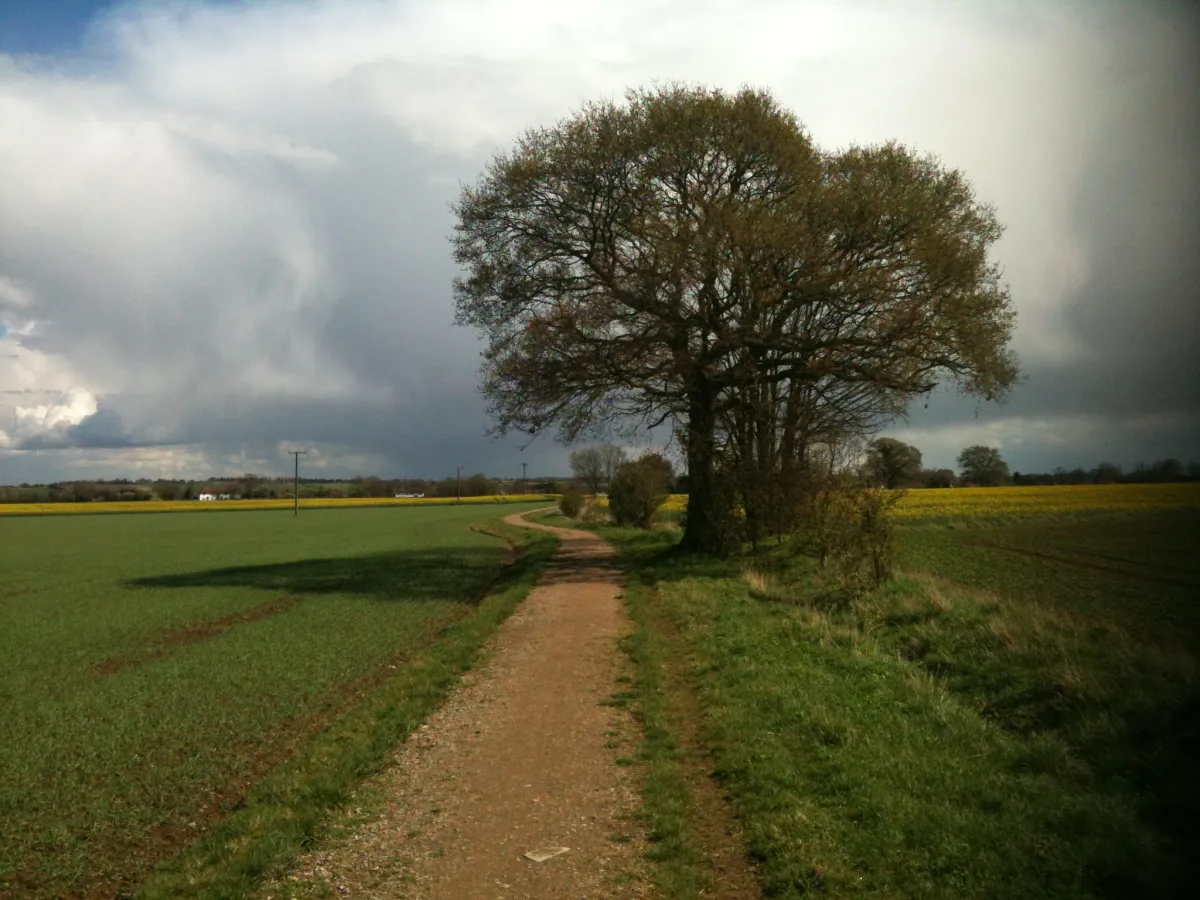 Photo: Icknield Way, via greatchalkway.org.uk
"Something changes when you walk for God," observes pilgrimage coordinator Helen Matthews, adjusting her rucksack as the group approaches their first rest stop. "The physical challenge strips away pretence. People share things on pilgrimage they'd never mention over Sunday coffee."
Rediscovering Ancient Paths
Pilgrimage, once considered an outdated medieval practice, is experiencing remarkable renewal across Chilterns parishes. Unlike casual rambling or general outdoor worship, these journeys follow deliberate routes to sacred destinations, undertaken as acts of communal devotion with specific spiritual intentions.
The revival began tentatively five years ago when Reverend Peter Ashworth of Great Kimble church organised a modest day-long walk to nearby Haddenham's historic St Mary's. "I expected perhaps six participants," he recalls. "Fourteen showed up, and by evening, they were planning the next expedition."
Today, organised pilgrimages operate from eight Chilterns parishes, ranging from afternoon outings to ambitious week-long journeys. Routes include traditional destinations like Canterbury and Walsingham alongside innovative local circuits connecting historically significant churches and holy sites within Oxfordshire and Buckinghamshire.
The Spiritual Mechanics of Walking
What distinguishes pilgrimage from recreational hiking lies in intentionality and communal purpose. Groups begin each day with prayer, maintain periods of reflective silence, and conclude with shared worship. The physical act of walking becomes a form of embodied prayer, with each step representing progress towards both geographical and spiritual destinations.
Dr Margaret Thompson, a retired theology lecturer who regularly joins Princes Risborough's pilgrimage group, explains the theological significance: "In our sedentary culture, we've forgotten that faith is meant to be lived through our bodies as well as our minds. Pilgrimage reunites the physical and spiritual dimensions of discipleship."
The challenges encountered—blisters, weather, navigation difficulties—become opportunities for mutual support and spiritual growth. "When someone's struggling with a heavy pack or sore feet, others naturally step in to help," notes Sarah Jenkins, who coordinates pilgrimages for the Bledlow parish group. "Those acts of service often prove more transformative than formal devotions."
Local Routes and Sacred Geography
Not all meaningful pilgrimages require distant destinations. Several Chilterns churches have developed innovative local routes that highlight the rich spiritual heritage within their immediate vicinity. The "Chiltern Saints Circuit" connects seven medieval churches across a twenty-mile route, allowing participants to explore how faith shaped local communities across centuries.
These shorter journeys prove particularly valuable for elderly parishioners or those with mobility constraints. The monthly "Gentle Pilgrimage" organised by Chinnor Methodist Church covers modest distances between historically connected sites, incorporating frequent rest stops and accessible pathways.
"We walk from our church to the ruins of the medieval priory, then to the ancient holy well," describes coordinator James Mitchell. "It's only three miles, but participants discover sacred stories they never knew existed in their own neighbourhood."
Local routes also accommodate varying fitness levels within single groups. While some members tackle the full distance, others join for specific sections, creating inclusive experiences that welcome all physical capabilities.
Bonds Forged in Faith
The social dynamics of pilgrimage create unusually deep connections between participants. Stripped of familiar church hierarchies and social conventions, walkers encounter each other as fellow seekers rather than defined roles or positions.
"On pilgrimage, the church warden becomes just another person with tired feet," observes regular pilgrim David Harrison. "Conversations develop that would never happen during normal parish life. I've learned more about my fellow parishioners' faith journeys during three days of walking than in twenty years of sitting in adjacent pews."
These relationships often transform parish dynamics long after the pilgrimage concludes. Groups frequently maintain prayer partnerships established during their journeys, whilst shared memories of overcoming challenges together strengthen congregational bonds.
Younger participants particularly value the opportunity for extended conversation with older church members. "Walking with people in their seventies and eighties, hearing their stories and wisdom, has completely changed my understanding of what it means to live faithfully over decades," reflects Emma Clarke, who joined her first pilgrimage at age twenty-eight.
Practical Considerations
Successful pilgrimage organisation requires careful attention to logistics whilst maintaining spiritual focus. Most Chilterns groups begin with day-long local expeditions before attempting longer journeys. Essential considerations include route planning, accommodation arrangements, meal coordination, and emergency procedures.
Costs vary significantly depending on distance and accommodation choices. Local day pilgrimages typically cost under £20 per person, covering transport and shared meals. Longer journeys to Canterbury or Walsingham might reach £200-300, though most parishes offer financial assistance to ensure economic barriers don't exclude willing participants.
Physical preparation receives appropriate emphasis without becoming exclusive. Groups provide training walks and fitness guidance whilst emphasising that pilgrimage welcomes all sincere participants regardless of athletic ability. Modified routes and support vehicles accommodate those with specific needs.
"The goal isn't to prove physical prowess," emphasises Reverend Ashworth. "It's to create space for spiritual encounter through shared journey. Anyone genuinely called to participate can find ways to contribute meaningfully."
Accessible Pilgrimage Options
Recognising diverse physical capabilities within congregations, several innovative approaches ensure pilgrimage remains inclusive. "Virtual pilgrimage" allows housebound members to participate spiritually whilst others walk, maintaining connection through daily phone calls sharing reflections and prayer requests.
Some groups incorporate cycling sections for those unable to walk long distances, whilst others use public transport to connect walking segments, reducing overall physical demands whilst preserving the essential experience of intentional spiritual journey.
The "Rolling Pilgrimage" model developed by Haddenham church allows participants to join for single days of longer expeditions, accommodating work schedules and family commitments whilst maintaining group continuity.
Transformative Outcomes
Pilgrimage participants frequently report lasting spiritual impact extending far beyond the immediate experience. Many describe enhanced prayer lives, deeper scriptural engagement, and strengthened sense of calling to Christian service.
"Something about walking for days with the same people, sharing simple meals and basic accommodation, strips away superficiality," reflects pilgrim Ruth Anderson. "You encounter God differently when you're tired, vulnerable, and dependent on others' kindness."
Parishes report that pilgrimage participants often assume increased leadership roles following their return, bringing enhanced spiritual maturity and stronger community connections to various ministries.
The practice also attracts occasional churchgoers and spiritual seekers who might hesitate to commit to regular worship attendance. Several participants have discovered deeper faith through pilgrimage before becoming regular congregation members.
Future Pathways
As pilgrimage continues growing across Chilterns churches, questions emerge about expansion and development. Some parishes consider international destinations, whilst others focus on developing more sophisticated local route networks.
Interfaith possibilities intrigue several coordinators, with preliminary discussions about shared pilgrimages with local Muslim and Jewish communities exploring common spiritual themes whilst respecting denominational distinctives.
Technology offers both opportunities and challenges. GPS navigation enhances safety whilst smartphone apps provide historical and spiritual content relevant to specific locations. However, many pilgrimage leaders worry about digital distractions undermining the contemplative focus that makes these journeys spiritually valuable.
Regardless of future developments, the current renaissance demonstrates enduring human hunger for spiritual practices that engage both body and soul. As Helen Matthews observes, watching her group crest a hill overlooking St Alban's Cathedral: "In an age of virtual everything, pilgrimage offers something irreplaceably real—the ancient truth that sometimes you have to walk towards God to truly find Him."
For Chilterns congregations, these sacred journeys represent more than recreational activities or fellowship opportunities. They embody a return to embodied spirituality, creating communities of faith that extend far beyond church buildings into the wider landscape of God's creation.