The Digital Pulpit: Voices of Faith Reaching Beyond Church Walls

Every Sunday morning, Reverend David Harrison delivers his sermon to approximately forty parishioners at St Peter's Church. By Wednesday evening, that same message has reached over 300 listeners across three continents through his weekly podcast, "Chilterns Chapel Chat." This transformation from pulpit to platform represents a quiet revolution taking place across local churches, challenging traditional assumptions about how spiritual guidance travels.
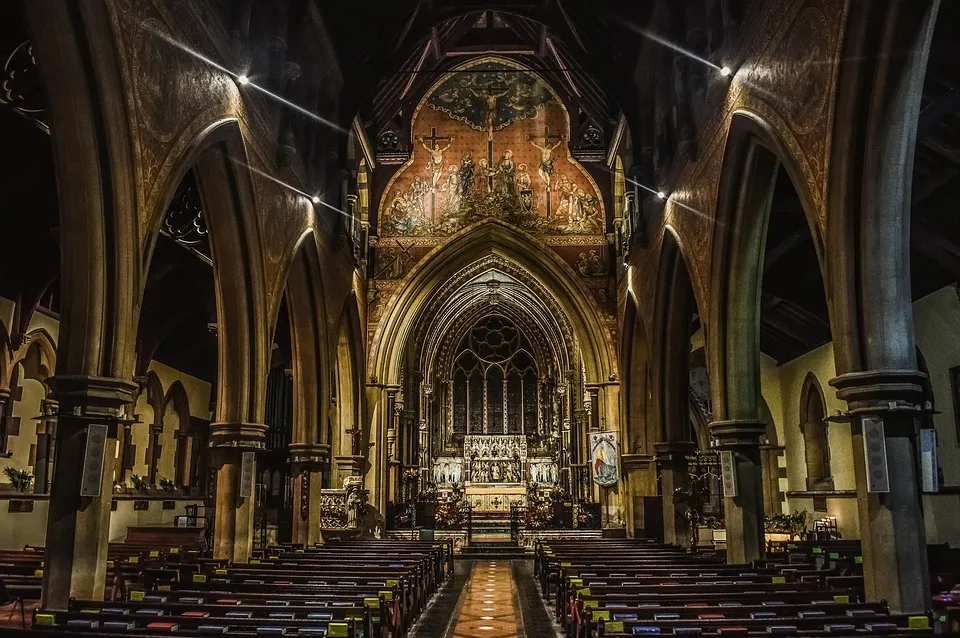 Photo: St Peter's Church, via cdn.pixabay.com
Beyond the Building
The concept initially emerged from necessity during lockdown restrictions, but many clergy discovered unexpected benefits that persist today. Father Michael Thompson of Our Lady of Grace explains: "I began recording reflections for parishioners who couldn't attend Mass. What surprised me was the response from people I'd never met—shift workers, carers, even folks living abroad who grew up in the area."
 Photo: Our Lady of Grace, via www.monasteryicons.com
These digital ministries serve diverse audiences. Housebound elderly parishioners form a significant listener base, maintaining connection with their church community despite physical limitations. Parents juggling young children appreciate the flexibility of engaging with sermons during quieter moments. Perhaps most intriguingly, curious non-churchgoers use these platforms to explore faith without the perceived pressure of attending services.
Reverend Sarah Williams of Chinnor Methodist Church describes her experience: "A woman contacted me after listening to my podcast series on forgiveness. She'd been struggling with family relationships and found the messages helpful, but hadn't set foot in a church for twenty years. That conversation led to pastoral support that might never have happened otherwise."
Theological Considerations
The shift from communal worship to individual listening raises important theological questions. Traditional preaching assumes a gathered congregation, with the physical presence of listeners influencing both delivery and reception. How does this dynamic change when the audience becomes invisible and dispersed?
Dr James Patterson, a theological educator who advises several Chilterns parishes on digital ministry, offers perspective: "Preaching has always been about communication across distance—the distance between divine mystery and human understanding. Technology simply extends that bridge geographically."
However, concerns exist about losing the communal aspect of hearing God's word together. Reverend Elizabeth Clarke of St Bartholomew's notes: "There's something powerful about sharing the same moment of revelation with your neighbours. I worry that individual consumption of sermons might miss that collective 'aha' moment."
Some clergy address this by encouraging online discussion forums alongside their digital content, creating virtual communities around shared spiritual exploration. Others maintain that the Holy Spirit works regardless of delivery method, pointing to historical precedents of written sermons reaching wider audiences than their original hearers.
Practical Adaptations
Creating effective digital content requires different skills from traditional preaching. Reverend Mark Stevens, whose "Buckinghamshire Benedictions" reaches listeners across rural England, learned through trial and error: "Church acoustics mask certain speaking habits. Recording revealed my tendency to rush through complex points. I've had to slow down, use more pauses, and structure arguments more clearly."
Technical considerations range from simple smartphone recordings to sophisticated editing software. Most Chilterns clergy begin with basic equipment, focusing on content quality over production values. The authentic, unpolished feel often resonates more strongly with listeners than highly produced alternatives.
Length becomes crucial for digital formats. Traditional twenty-minute sermons may lose online audiences, leading many to create shorter, focused reflections. Reverend Harrison explains: "I still preach full sermons on Sundays, but my podcast versions are condensed to eight minutes. It forces me to identify the core message without losing theological depth."
Listener Perspectives
Margaret Foster, a regular listener to three different Chilterns church podcasts, represents many who find digital sermons complement rather than replace traditional worship: "I attend St Andrew's faithfully, but during the week I enjoy hearing different perspectives. It's like having access to a theological library that speaks directly to current concerns."
For others, digital content provides the primary spiritual input. James Mitchell, a long-distance lorry driver, explains: "Sunday mornings usually find me on the M40, not in a pew. These podcasts let me maintain some spiritual routine despite irregular schedules. Sometimes I feel more connected to God listening alone in my cab than I ever did in crowded services."
The global reach surprises many creators. Reverend Thompson receives messages from expatriate Britons who use his recordings to maintain connection with home traditions. "A couple in Australia told me that listening to familiar accents discussing familiar places helps them feel spiritually grounded despite the distance."
Building Digital Communities
Successful digital ministries often develop their own communities. Comment sections become spaces for prayer requests and spiritual discussion. Some clergy host virtual coffee hours following their releases, recreating the post-service fellowship that many miss.
The democratising effect cannot be ignored. Smaller parishes with excellent preachers can reach audiences previously limited to large urban churches. Rural voices gain platforms that geographical isolation might otherwise deny them.
However, maintaining personal connection remains challenging. Reverend Williams emphasises the importance of responding individually to listener communications: "People share deeply personal struggles in their messages. Each response requires the same pastoral care I'd offer face-to-face."
Measuring Impact
Assessing the effectiveness of digital preaching presents unique challenges. Download statistics provide quantitative data, but spiritual impact resists easy measurement. Many clergy rely on listener feedback and pastoral conversations to gauge their content's value.
Some report unexpected benefits for their traditional preaching. The discipline of creating regular digital content sharpens communication skills and forces deeper engagement with scriptural texts. Listener questions often reveal blind spots in theological explanation, improving overall pastoral effectiveness.
Future Directions
As this movement matures, questions emerge about sustainability and direction. Will digital preaching become standard practice for all parishes, or remain a specialised ministry for technically inclined clergy? How might denominational differences affect content and reception?
The integration of visual elements through video platforms offers new possibilities. Several Chilterns ministers experiment with illustrated reflections, virtual church tours, and interactive elements that engage multiple senses.
Regardless of technological evolution, the fundamental appeal remains constant: authentic voices sharing genuine faith in accessible formats. As Reverend Harrison reflects: "Whether from a pulpit or through a podcast, the goal remains the same—helping people encounter God in their daily lives. The medium may change, but the message endures."
In transforming sermons from weekly events to on-demand resources, Chilterns clergy are discovering that God's word travels further than stone walls ever contained, reaching hearts and minds across distances both geographical and spiritual.