Pedalling Towards Prayer: The Spiritual Journey of Chilterns Cycling Pilgrims
Ancient Roads, Modern Wheels
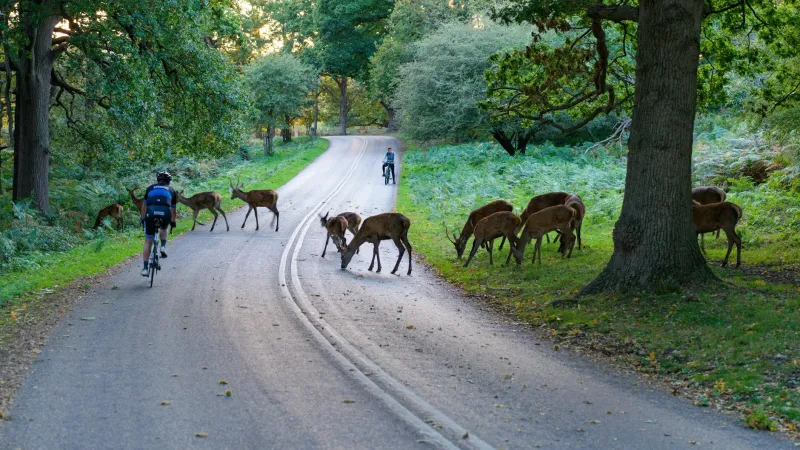
The Icknield Way has witnessed countless spiritual journeys over the millennia—from prehistoric traders carrying sacred objects to medieval pilgrims seeking Canterbury's shrine. Today, this ancient trackway hosts a new generation of spiritual seekers: cyclists from Chinnor's churches who have discovered that prayer and pedalling make natural companions.
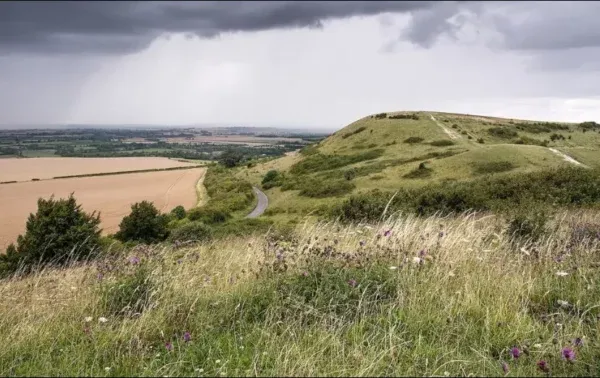 Photo: Icknield Way, via walkwithwilliams.com
What began as informal weekend rides between church members has evolved into a structured ministry that combines physical exercise, environmental stewardship, and contemplative practice. The Chilterns Cycling Pilgrims, as they've become known, represent a fascinating fusion of traditional pilgrimage concepts with contemporary sustainable transport.
"There's something about the rhythm of cycling that naturally attunes you to prayer," explains Tom Hartwell, a retired geography teacher from St Andrew's who helped establish the group. "Unlike walking, where you're constantly navigating terrain, cycling creates a meditative flow that opens space for spiritual reflection."
Sacred Routes Through Sacred Landscape
The Chilterns offer exceptional opportunities for cycling pilgrimage, with ancient church settlements connected by quiet country lanes and well-maintained bridleways. The group has developed several signature routes that link historic sacred sites whilst avoiding busy roads and steep gradients that might exclude less experienced cyclists.
The "Seven Churches Circuit" remains their most popular journey, a 35-mile route that connects Chinnor with Bledlow, Princes Risborough, Great Kimble, Ellesborough, Wendover, and Great Missenden before returning home. Each stop includes time for prayer in the church building, often with brief historical reflection on the site's spiritual significance.
For those preferring shorter distances, the "Ridgeway Reflection" follows a 12-mile section of the ancient path between Chinnor and Watlington, incorporating stops at St Bartholomew's Church in Great Haseley and St Leonard's in Watlington. This route deliberately includes challenging climbs that participants describe as physically demanding yet spiritually enriching.
"The effort required to reach the top of Beacon Hill becomes a metaphor for spiritual struggle," reflects cycling pilgrim Sarah Bennett from the Methodist Church. "When you finally crest the ridge and see the Vale of Oxford spread below, there's a natural impulse to offer thanksgiving. The landscape itself becomes prayer."
Wheels of Fellowship
The social dimension of cycling pilgrimage has proven equally significant as the spiritual aspects. The group deliberately maintains an inclusive pace that allows conversation during easier sections whilst respecting the contemplative silence that naturally emerges during challenging climbs.
Participants range from experienced cyclists comfortable with 50-mile journeys to occasional riders who prefer 15-mile circuits. This diversity has necessitated careful route planning that offers options for different fitness levels whilst maintaining group cohesion.
"We've learned that pilgrimage isn't about athletic achievement," notes group coordinator Anne Phillips from St Andrew's. "It's about journeying together towards sacred encounters. Some of our most profound shared experiences have happened during the gentlest rides."
The intergenerational aspect has proved particularly enriching. Several teenagers participate alongside members in their seventies, creating conversations that rarely occur within traditional church settings. The shared challenge of hills and headwinds breaks down age barriers in ways that indoor church activities sometimes struggle to achieve.
Contemplative Cycling Practices
The group has developed distinctive practices that differentiate their rides from recreational cycling. Each journey begins with prayer at the departure point, typically St Andrew's Church car park, where participants receive a blessing for safe travel and meaningful encounter.
During rides, certain sections are designated for silent reflection, often coinciding with particularly beautiful or historically significant stretches of route. The approach to each church destination includes a period of preparatory prayer, helping cyclists transition from physical activity to worship.
At church stops, the group follows a simple liturgy that includes thanksgiving for safe arrival, intercession for the local community, and reflection on the church's historical role in regional spiritual life. Where possible, they arrange advance contact with local clergy to learn about contemporary ministry challenges and opportunities.
"These brief church visits often become the most memorable parts of our journeys," observes participant Mark Stevens. "Learning about how other parishes navigate similar challenges to our own creates a sense of connection across denominational and geographical boundaries."
Environmental Discipleship on Two Wheels
For many participants, cycling pilgrimage represents practical environmental stewardship aligned with Christian creation care theology. The group deliberately chooses bicycle travel as an alternative to car-based church outings, reducing carbon emissions whilst increasing direct engagement with the natural world.
"When you're cycling through the Chilterns at 12 miles per hour, you notice things that car passengers miss," explains environmental scientist and group member Dr Helen Crawford. "The seasonal changes in hedgerows, the sounds of different bird species, the way light falls across valley slopes—it all becomes part of your prayer experience."
This environmental consciousness extends to practical choices about route planning, equipment, and refreshment stops. The group prioritises local businesses for food and drink purchases, carries minimal packaging, and maintains a "leave no trace" policy for countryside stops.
Practical Preparation for Spiritual Journey
Those interested in joining cycling pilgrimage activities need not possess expensive equipment or exceptional fitness levels. The group maintains several spare bicycles for occasional participants and offers basic maintenance workshops to help members keep their own bikes roadworthy.
Essential preparation includes:
- A roadworthy bicycle with reliable brakes and gears
- Appropriate safety equipment including helmet and high-visibility clothing
- Basic repair tools and spare inner tube
- Weather-appropriate clothing for changing conditions
- Water bottle and light snack provisions
- Small notebook for recording spiritual reflections during stops
The group meets monthly during cycling season (April through October) with additional special journeys for significant Christian festivals. Winter months focus on indoor preparation including route planning, bicycle maintenance workshops, and reflection on previous journeys' spiritual insights.
Expanding Horizons
Success has encouraged the group to explore longer pilgrimage opportunities. Recent adventures include a three-day journey following the Thames Path from Oxford to Windsor, with overnight accommodation at retreat centres and extended time for prayer at riverside churches.
Plans for the coming year include a week-long pilgrimage following sections of the Camino Inglés in northern Spain, demonstrating how local cycling pilgrimage can prepare participants for international spiritual journeys.
"What started as weekend rides between local churches has opened doorways to much deeper spiritual adventure," reflects Tom Hartwell. "We're discovering that the bicycle can be as effective a tool for spiritual formation as any traditional church programme."
For Chinnor's churches, cycling pilgrimage represents both innovation and tradition—ancient practices of spiritual journey adapted for contemporary life. As participants pedal through the Chilterns' rolling landscape, they're writing new chapters in the long story of pilgrimage whilst discovering that the road to spiritual growth sometimes requires nothing more than two wheels and willing hearts.