Into the Silence: Discovering Sacred Rest Through Chilterns Retreat Experiences
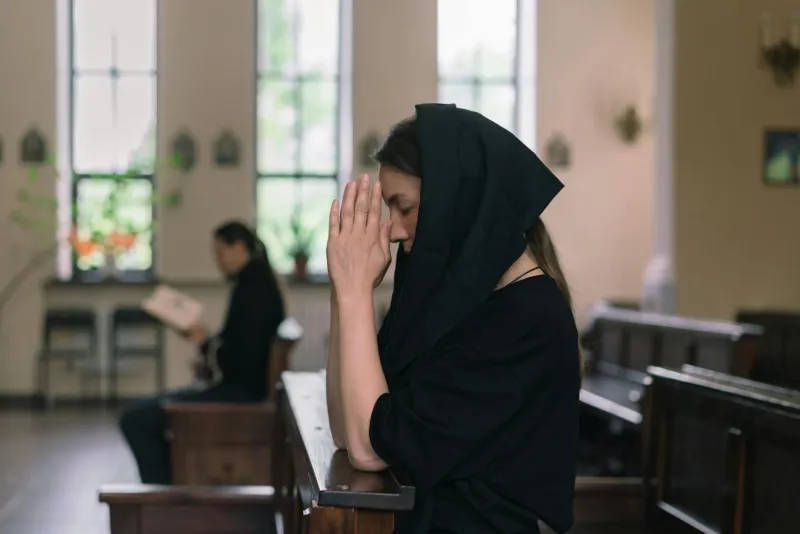
The Counter-Cultural Call to Stillness
In an age where smartphone notifications punctuate prayer and social media streams compete with scripture reading, a growing number of Chinnor's churchgoers are discovering the transformative power of intentional withdrawal. The retreat movement, once associated primarily with monastic communities and clergy development, has quietly taken root in our local parishes, offering ordinary believers extraordinary opportunities for spiritual renewal.
The statistics are striking: over the past two years, participation in retreat experiences organised by Chilterns churches has increased by nearly 40%. This surge reflects not merely curiosity about contemplative practices, but a genuine hunger for spaces where souls can breathe without distraction.
"We're living in the noisiest period in human history," observes Canon Patricia Williams from St Andrew's Church. "The constant input—emails, news cycles, social expectations—leaves little room for the kind of deep listening that spiritual growth requires. Retreats offer permission to step away from all of that."
Sacred Spaces, Ancient Rhythms
Chilterns believers seeking retreat experiences have discovered a remarkable variety of options within reasonable travelling distance. The Community of St Mary the Virgin at Wantage, just forty minutes from Chinnor, offers guided weekend retreats that blend traditional monastic rhythms with contemporary spiritual direction. Participants join the sisters for morning and evening prayer whilst maintaining periods of contemplative silence throughout the day.
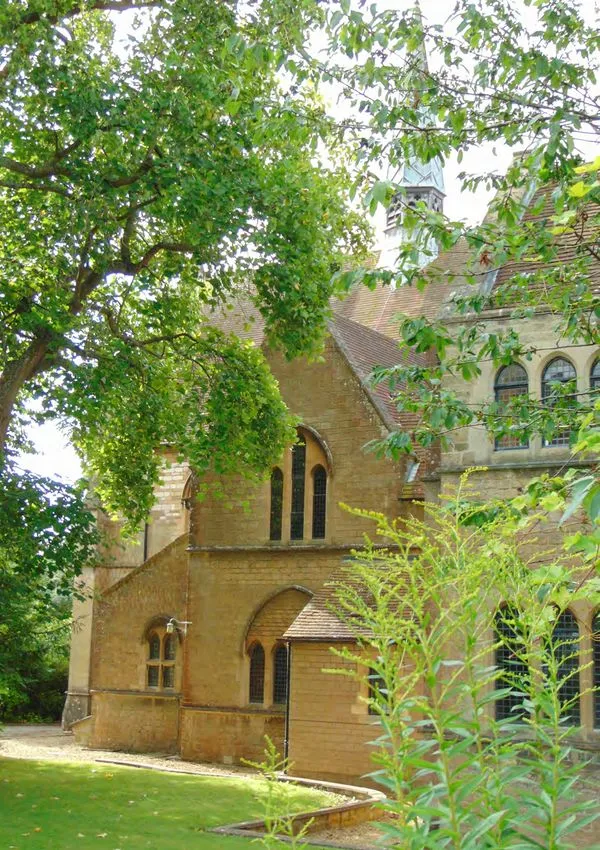 Photo: Community of St Mary the Virgin at Wantage, via www.readkong.com
Closer to home, Parcevall Hall near Appletreewick has become a favourite destination for groups from multiple Chinnor churches. The Georgian manor house, set within Yorkshire Dales National Park, provides an ideal environment for what retreat leader Father Michael Harrington describes as "holy idleness"—time deliberately set aside for prayer, reflection, and spiritual reading without agenda or achievement pressure.
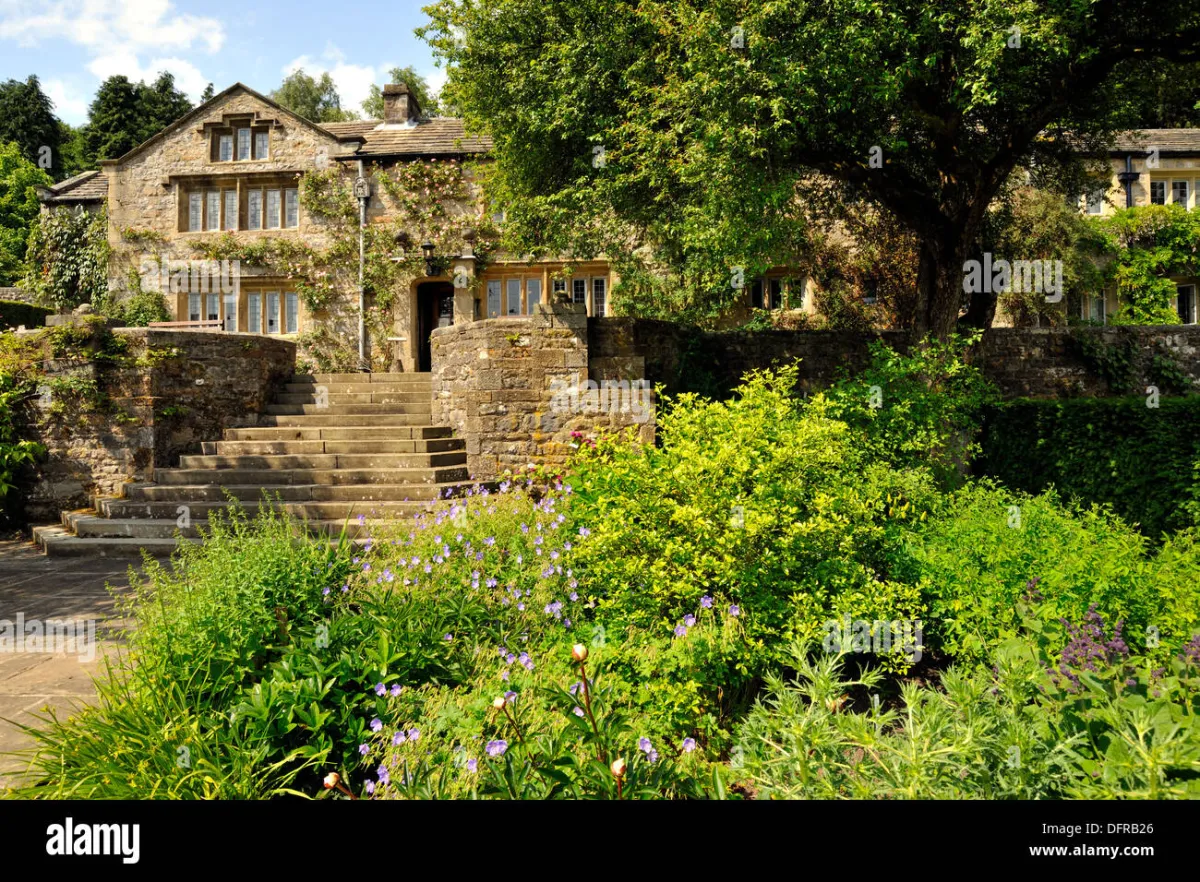 Photo: Parcevall Hall, via c8.alamy.com
For those preferring day-long experiences, several local parishes have developed "Quiet Days" held within familiar church buildings. These typically begin with morning prayer, include guided meditation sessions, and conclude with evening reflection, creating islands of tranquillity within participants' regular weekly routines.
Breaking the Silence: Personal Testimonies
David Pemberton, a software engineer and member of the Methodist Church, initially approached his first retreat with considerable scepticism. "I'm not naturally contemplative," he admits. "The idea of spending an entire weekend in silence felt more like punishment than spiritual practice."
His three-day experience at Douai Abbey near Reading proved revelatory. "By the second day, I realised how much mental chatter I normally carry," he reflects. "When that quieted down, I began hearing things—not audibly, but spiritually—that had been drowned out by everyday noise. I understood why Jesus regularly withdrew to lonely places."
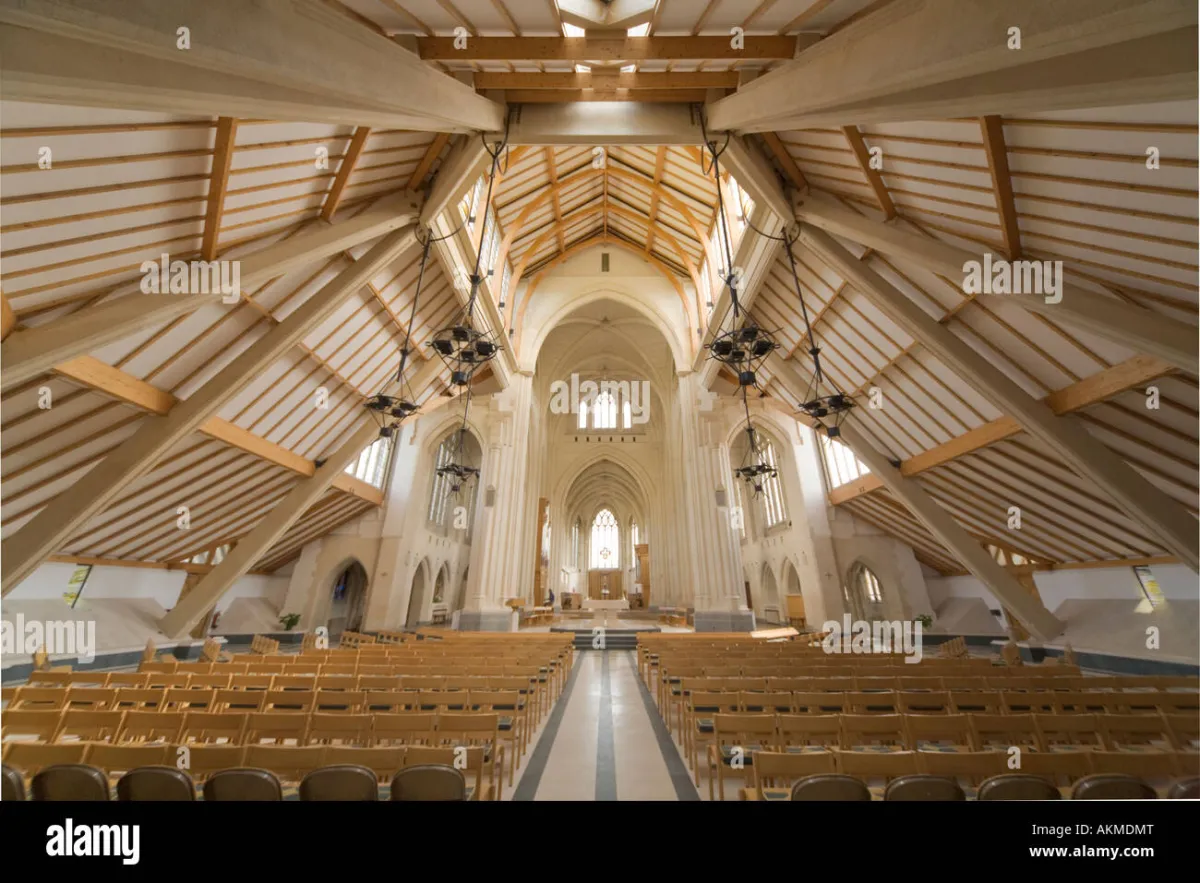 Photo: Douai Abbey, via c8.alamy.com
Similarly, Jenny Morrison from St Andrew's discovered that retreat participation transformed her understanding of prayer itself. "I'd always thought prayer meant talking to God," she explains. "The retreat taught me that listening might be even more important. Learning to be still in God's presence changed everything about my faith."
Practical Pathways to Retreat
For newcomers considering their first retreat experience, local clergy recommend beginning with day-long events before progressing to residential experiences. Most Chilterns parishes now offer quarterly "Quiet Saturdays" that provide gentle introduction to contemplative practices without overnight commitment.
Typical day retreat schedules include:
- Morning prayer and introduction to the day's theme
- Guided meditation or contemplative prayer instruction
- Extended periods of personal reflection
- Walking meditation in church grounds or nearby countryside
- Optional spiritual direction conversations
- Closing worship with opportunity for sharing insights
Those ready for residential retreats should consider practical preparations. Most retreat centres provide simple accommodation and meals, but participants are encouraged to bring minimal personal items, spiritual reading materials, and comfortable walking shoes for outdoor reflection time.
The Digital Detox Dimension
Many retreat participants discover that temporary disconnection from digital devices proves as spiritually significant as formal prayer practices. Retreat centres typically request that phones be switched off or left in accommodation, creating unprecedented opportunities for mental rest.
"The first few hours without my phone felt genuinely uncomfortable," admits teenage participant Lucy Harrison, who attended a youth retreat at Lee Abbey in Devon. "But by the end of the weekend, I realised how much my constant connectivity was actually disconnecting me from God and from myself."
This digital sabbath aspect has attracted parents concerned about their families' screen time habits. Several Chinnor families now incorporate monthly "device-free days" inspired by retreat experiences, creating space for deeper conversation and shared spiritual practices.
Facilitating Sacred Encounters
Local clergy report that retreat participation often catalyses significant spiritual development among congregation members. Reverend Sarah Thompson from the Methodist Church has observed increased interest in contemplative prayer practices, spiritual direction relationships, and small group ministry among retreat participants.
"People return from retreats with different expectations about what church community can offer," she notes. "They've tasted something deeper than our typical Sunday morning experience, and they want to integrate that depth into their ongoing faith journey."
This has prompted several Chilterns churches to develop follow-up programmes including monthly contemplative prayer groups, spiritual reading circles, and informal spiritual direction training for lay members.
Making Retreat Accessible
Recognising that cost can prevent participation, local churches have developed creative funding solutions. St Andrew's operates a retreat scholarship fund that covers expenses for members facing financial constraints. The Methodist Church partners with other denominations to reduce per-person costs through group bookings.
Additionally, several parishes now offer "mini-retreats" held in members' homes or local venues, making retreat experiences accessible to those unable to travel or stay overnight away from family responsibilities.
The Ripple Effect
Perhaps most significantly, retreat participants frequently become advocates for contemplative practices within their home congregations. What begins as individual spiritual development often evolves into community transformation as returning retreat-goers share their experiences and encourage others to explore similar opportunities.
As Chinnor's churches continue navigating the challenges of contemporary ministry, the retreat movement offers both respite for weary souls and renewal for congregational life. In choosing intentional withdrawal from society's demands, local believers are discovering not escape from reality, but deeper engagement with the divine presence that sustains all authentic Christian community.
For those sensing the call to silence, the invitation remains open: step away from the noise, and discover what emerges in the space between.