Pages of Faith: The Art of Spiritual Journalling Flourishing in Chilterns Churches
The Renaissance of Written Reflection
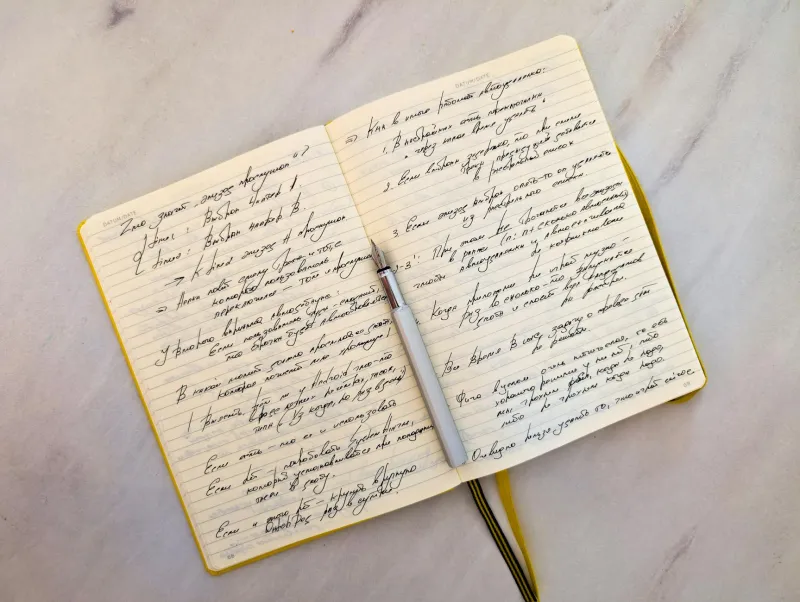
In an age dominated by digital communication and fleeting social media posts, something remarkably analogue is taking root in Chinnor's faith communities. Faith journalling—the practice of combining written reflection, scripture annotation, and creative illustration as a devotional discipline—has experienced what can only be described as a quiet explosion across the Chilterns' churches.
Unlike the diary-keeping of previous generations or the structured Bible study guides that have long been church staples, faith journalling represents something altogether more fluid and personal. It's a practice that invites participants to engage with their spiritual lives through multiple senses, using words, colours, doodles, and even pressed flowers to create a unique record of their journey with God.
From Blank Page to Sacred Space
The appeal of faith journalling lies partly in its accessibility. Unlike some spiritual disciplines that require specific training or particular theological knowledge, journalling asks only for honesty and a willingness to put pen to paper. This democratic quality has attracted participants from across the age spectrum in Chinnor's churches.
"I started because I was struggling to concentrate during prayer," admits Helen Foster, a primary school teacher who began journalling six months ago. "My mind would wander, and I'd finish my prayer time feeling like I hadn't really connected with God at all. Writing things down—questions, worries, moments of gratitude—it gave my thoughts somewhere to go."
 Photo: Helen Foster, via img1.wsimg.com
For Helen, the practice began simply with a notebook from the village shop and a commitment to spend ten minutes each morning writing to God as she might write to a friend. What emerged surprised her: a record not just of her requests and concerns, but of subtle patterns in her spiritual life that she had never noticed before.
The Creative Dimension
While some practitioners maintain strictly written journals, others have embraced the creative possibilities that the practice offers. Anna Pemberton, a retired art teacher and member of St Andrew's, has developed what she calls "prayer pages"—elaborate compositions that combine scripture verses with watercolour illustrations, pressed flowers from her garden, and handwritten reflections.
 Photo: St Andrew's, via www.shutterstock.com
"I'm not particularly artistic," she insists, despite evidence to the contrary scattered across her kitchen table. "But there's something about engaging with God's word through colour and texture that opens up meanings I miss when I just read silently. When I painted around the words 'He makes all things new,' I found myself really considering what 'new' means in my own life."
This creative dimension has proved particularly appealing to younger church members, many of whom have grown up expressing themselves through visual media. The Methodist chapel has begun offering monthly "journal jamming" sessions, where participants bring their journals and art supplies to create together in companionable silence.
Scripture Through Fresh Eyes
One of the most significant impacts of faith journalling has been its effect on Bible reading. Rather than working through predetermined study guides or following lectionary readings, many journallers have adopted a more organic approach to engaging with scripture.
"I'll be writing about something that's bothering me, and suddenly remember a verse that speaks to the situation," explains Tom Richardson, a local farmer who began journalling during a particularly challenging harvest season. "I'll look it up, write it down, maybe copy out the whole passage. It's made the Bible feel less like a textbook and more like a conversation."
This personal, responsive approach to scripture study has led many participants to discover biblical passages they might never have encountered through traditional study methods. The practice encourages what theologians call "lectio divina"—a slow, meditative reading that allows particular words or phrases to resonate deeply.
Challenges and Considerations
Despite its growing popularity, faith journalling is not without its challenges. Some participants struggle with the unstructured nature of the practice, particularly those who have found comfort in more systematic approaches to spiritual discipline.
"I kept waiting for someone to tell me if I was doing it right," confesses Robert Hayes, a church warden who attempted journalling for several months before abandoning the practice. "Without clear guidelines or measurable outcomes, I never felt confident that I was achieving anything meaningful."
This tension between structure and freedom represents a broader conversation within Chinnor's churches about different temperaments and spiritual preferences. While some thrive in the open-ended nature of journalling, others find greater meaning in more traditional forms of study and prayer.
Building Community Through Individual Practice
Paradoxically, this intensely personal practice has begun to create new forms of community connection. Several of Chinnor's churches have established journalling circles—small groups that meet monthly to share insights, techniques, and encouragement without requiring participants to reveal the intimate contents of their journals.
"We might talk about a particular way of engaging with a psalm, or share a technique for incorporating artwork," explains Reverend Susan Clarke, who facilitates one such group. "But the actual content of people's journals remains private. It's community built around practice rather than disclosure."
These groups have proved particularly valuable for newcomers to the practice, offering practical guidance and moral support for maintaining what can initially feel like an awkward discipline.
Looking Ahead: Sustaining the Practice
As faith journalling continues to grow in popularity across Chinnor's churches, leaders are considering how to support and nurture the practice without institutionalising it beyond recognition. The key, many suggest, lies in remembering that journalling is a tool rather than an end in itself.
"The goal isn't to produce beautiful journals or profound insights," reflects Helen Foster, whose own practice has now inspired several friends to begin their own spiritual writing. "The goal is simply to create space for honest conversation with God. Everything else—the creativity, the insights, the sense of spiritual growth—those are gifts that emerge from that fundamental commitment to presence."
For a generation that has grown up expressing themselves through written and visual media, faith journalling offers a bridge between contemporary communication styles and ancient spiritual wisdom. In the quiet corners of Chinnor's homes, ordinary people are discovering that the simple act of putting pen to paper can transform both prayer and daily life, one page at a time.