Called to the Ballot Box: How Faith Informs Democratic Engagement Across Chinnor's Congregations

The Sacred Duty of Citizenship
In the quiet parish halls of Chinnor, conversations are taking place that echo far beyond Sunday morning services. Across denominational lines, church leaders are grappling with a question as old as democracy itself: how do people of faith engage responsibly with the political process whilst remaining true to their spiritual convictions?
The answer, according to Reverend Sarah Mitchell of St Andrew's, lies not in prescriptive voting guides but in thoughtful preparation. "We don't tell people how to vote," she explains, "but we absolutely have a responsibility to help them think through what faithful citizenship looks like in practice."
 Photo: St Andrew's, via logosandbrands.directory
This approach has manifested in various initiatives across Chinnor's church communities, from practical voter registration drives to evening discussion groups examining the ethical dimensions of policy decisions. The goal isn't partisan advocacy but rather the cultivation of informed, principled engagement with democratic institutions.
Beyond Party Politics
At Chinnor Methodist Church, the monthly 'Faith and Society' gatherings have become a cornerstone of civic preparation. These sessions, led by retired headteacher and lay preacher David Thompson, explore how Christian principles might inform perspectives on contemporary issues without dictating specific political allegiances.
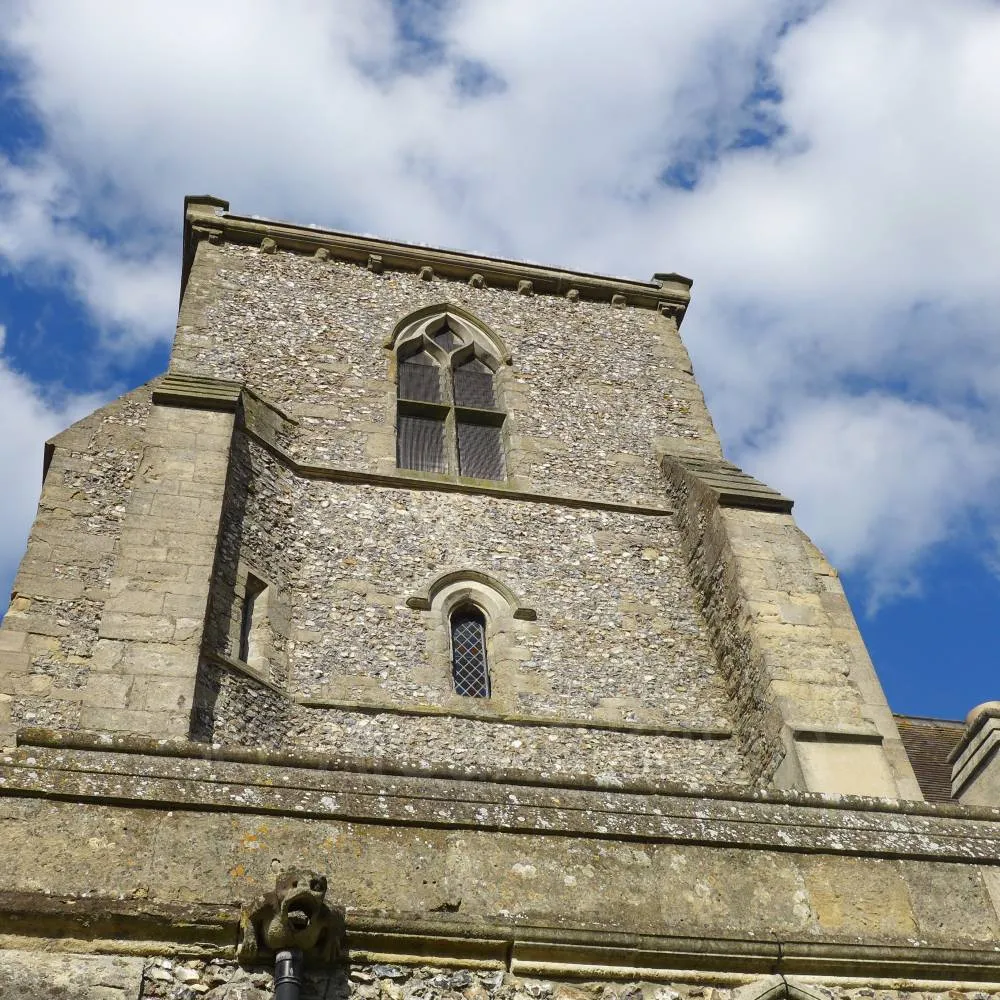 Photo: Chinnor Methodist Church, via cdn.seearoundbritain.com
"We start with Scripture and tradition," Thompson notes, "then we examine how those foundations might guide our thinking about housing policy, environmental stewardship, or social justice. The conversation is always more nuanced than any party manifesto."
Participant Margaret Henley, a mother of three, describes the sessions as transformative: "I used to vote based on family tradition or single issues. Now I feel equipped to consider the broader implications of my choices through the lens of my faith."
This educational approach extends beyond formal discussion groups. Several churches have hosted hustings events during recent elections, providing platforms for candidates to present their positions whilst maintaining strict neutrality. The emphasis remains on empowering congregants to ask informed questions rather than endorsing particular answers.
The Challenge of Prophetic Voice
Yet the relationship between faith and politics remains complex, particularly when churches feel called to speak prophetically on issues of justice and compassion. Father Michael O'Brien of St Mary's Catholic Church acknowledges this tension: "There are times when the Gospel demands we address uncomfortable truths about poverty, inequality, or the treatment of refugees. This isn't about party politics—it's about fundamental human dignity."
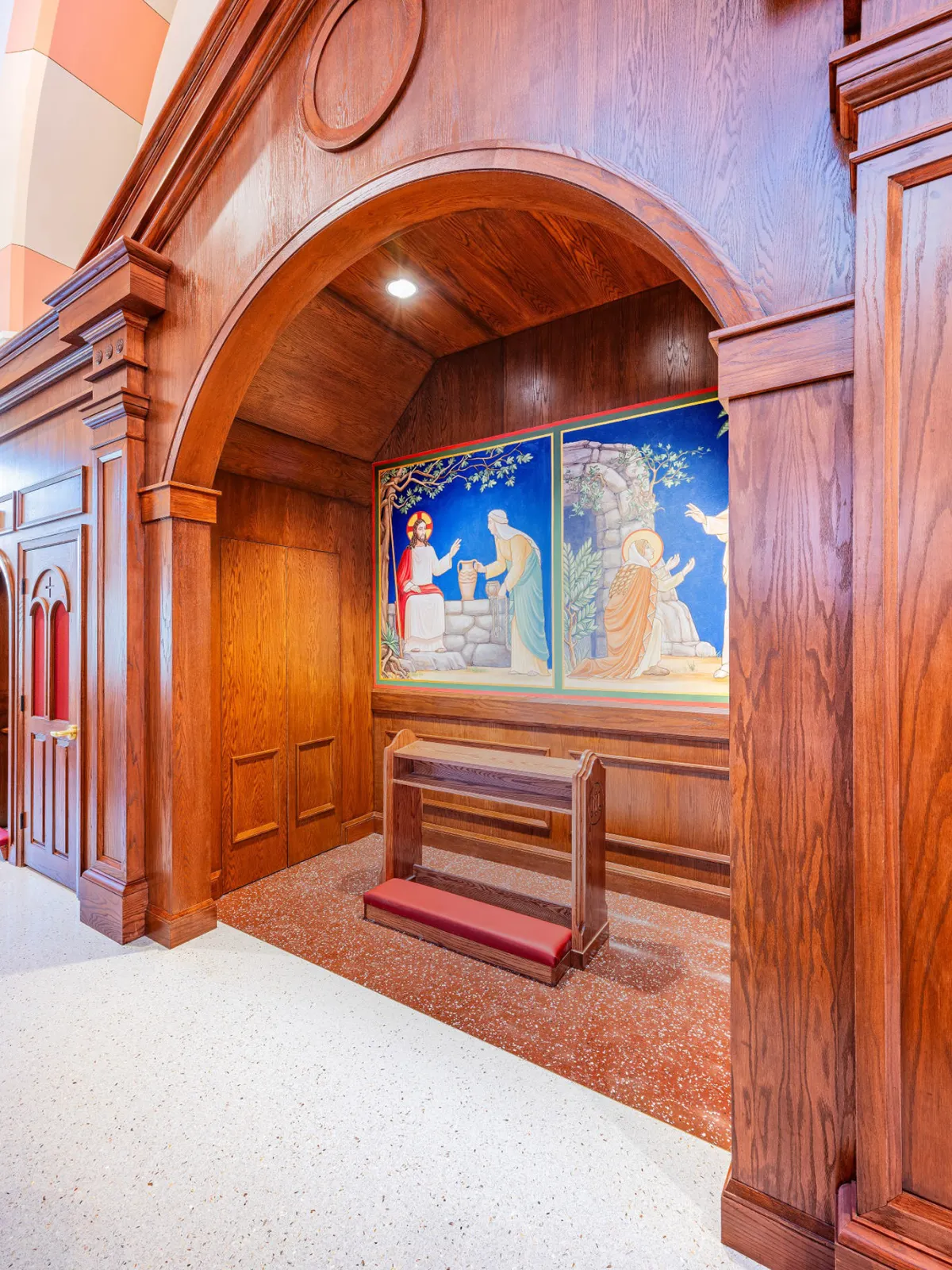 Photo: St Mary's Catholic Church, via www.brwarch.com
This prophetic dimension has led several Chinnor churches to engage directly with local councillors and MPs on specific issues affecting their communities. Recent collaborative efforts have focused on affordable housing provision, mental health services, and support for vulnerable families—areas where faith communities often serve on the frontlines.
The churches' approach emphasises relationship-building over confrontation. Regular 'coffee and conversation' sessions with elected representatives have fostered ongoing dialogue about community needs whilst respecting the distinct roles of religious and political institutions.
Practical Faith in Action
Beyond electoral engagement, Chinnor's churches are demonstrating faithful citizenship through direct community service. The inter-church foodbank, now in its eighth year, serves as a practical expression of civic responsibility that transcends political boundaries.
"When we're distributing food parcels or supporting families in crisis," observes volunteer coordinator Helen Davies, "we're not thinking about voting patterns or party affiliations. We're simply responding to human need as our faith compels us to do."
This hands-on engagement often provides church members with firsthand insight into policy impacts, informing their subsequent political engagement. Several volunteers describe how their foodbank experience has shaped their perspectives on welfare policy, employment rights, and local government priorities.
Navigating Divided Times
In an era of increasing political polarisation, Chinnor's churches are working deliberately to model respectful disagreement within their own communities. The 'Graceful Disagreement' workshop series, developed collaboratively across denominations, provides frameworks for discussing contentious issues without compromising fellowship.
"We have members across the political spectrum," notes Baptist minister Reverend James Patterson. "Our challenge is to demonstrate that unity in Christ doesn't require uniformity in political opinion, whilst maintaining our commitment to justice and compassion."
This commitment to graceful disagreement extends to the churches' public engagement. Rather than issuing partisan statements, church leaders have focused on articulating shared values—dignity, justice, stewardship, community—whilst allowing space for diverse applications of those principles.
Looking Forward
As Chinnor's churches continue to navigate the intersection of faith and citizenship, they're developing models that other communities might emulate. The emphasis on education over indoctrination, relationship over confrontation, and service over rhetoric offers a constructive path forward in challenging times.
"Democracy requires engaged citizens," reflects Reverend Mitchell. "As people of faith, we have both the privilege and responsibility to participate thoughtfully in that democratic process. Our role isn't to provide easy answers but to ask better questions and live out our values in the public square."
This approach—grounded in theological reflection, expressed through practical service, and characterised by respectful dialogue—suggests that faith communities can indeed contribute meaningfully to democratic life whilst maintaining their spiritual integrity. In Chinnor's churches, the ballot box becomes not a test of orthodoxy but an opportunity for faithful witness in the broader community.