When Darkness Falls, Light Remains: The Unsung Heroes of Chinnor's Winter Night Shelter
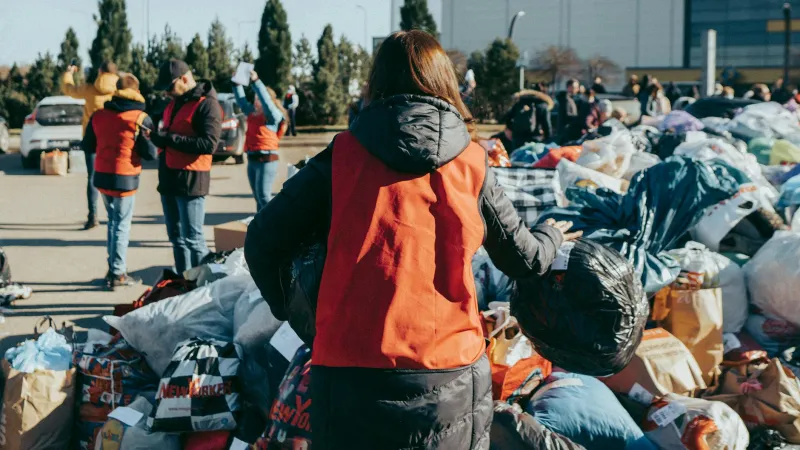
The 11 PM Shift
The fluorescent lights hum softly in the parish hall of St Andrew's as Margaret Henley arranges sleeping mats in precise rows across the polished floor. It's 11 PM on a February evening, and outside, the Chilterns wind carries a bitter edge that cuts through even the heaviest coats. Inside, the heating system works overtime to transform this daytime venue for church meetings and community events into something far more essential: a place of refuge for those with nowhere else to go.
 Photo: Margaret Henley, via alchetron.com
 Photo: St Andrew's, via i.pinimg.com
Margaret has been volunteering with Chinnor's Winter Night Shelter for four years, but she still feels the weight of responsibility that comes with each shift. "You never know who might walk through that door," she reflects, adjusting a blanket on one of the camp beds. "Someone's son, someone's father, someone who just needs to know that they matter to somebody."
The Winter Night Shelter represents one of the most ambitious collaborative ministries across Chinnor's church communities. Operating from November through March, it rotates between different church venues, with volunteers drawn from Anglican, Methodist, Baptist, and Catholic congregations working together to provide not just beds and meals, but dignity and human connection for the area's most vulnerable residents.
More Than Shelter
By midnight, twelve guests have arrived at tonight's shelter. They range from John, a 67-year-old former construction worker whose pension doesn't cover both rent and heating, to Danny, a 28-year-old who lost his job and flat within the same devastating week. Each carries a story marked by circumstances both chosen and imposed, but tonight, those stories matter less than the simple human need for warmth, safety, and recognition.
"We're not just providing beds," explains Dr. Patricia Williams, a retired GP who coordinates the medical support for shelter guests. "We're offering something more fundamental—the acknowledgement that every person has inherent worth and deserves basic human dignity."
This philosophy shapes every aspect of the shelter's operation. Guests aren't required to share their stories or justify their circumstances. They're simply welcomed, fed, and given a safe place to sleep. The volunteers, trained in both practical hospitality and trauma-informed care, understand that sometimes the most profound ministry happens in the absence of questions rather than their asking.
Volunteer coordinator Helen Davies describes the careful balance: "We want people to feel welcome to share if they need to talk, but we never make that a condition of receiving help. Sometimes the greatest gift we can offer is simply treating someone normally, without pity or judgment."
The Logistics of Love
Operating a night shelter requires more than good intentions. The practical challenges are immense: securing appropriate insurance, meeting health and safety regulations, coordinating volunteers across multiple congregations, and managing the complex needs of guests who may struggle with mental health issues, addiction, or physical disabilities.
Reverend James Patterson of Chinnor Baptist Church, one of the initiative's founding coordinators, recalls the early planning stages: "We spent months working through details that most people never consider. How do you maintain guest privacy whilst ensuring volunteer safety? What happens if someone arrives intoxicated or becomes disruptive? How do you handle medical emergencies at 3 AM?"
The solution involved extensive partnerships with local authorities, healthcare providers, and social services. The shelter now operates with clear protocols, trained volunteers, and established relationships with emergency services. Each host venue has been assessed and adapted to meet accessibility requirements, fire safety standards, and basic comfort needs.
Perhaps most crucially, the shelter maintains connections with local housing services, benefits advisors, and mental health support agencies. "We're not trying to solve homelessness single-handedly," notes social worker and volunteer Sarah Collins. "But we can provide the stability and support that allows people to access the services that might help them find longer-term solutions."
Faces of Transformation
The shelter's impact extends far beyond the immediate provision of beds and meals. For many guests, it represents the first step toward rebuilding stability and self-worth after periods of profound crisis.
Danny, the 28-year-old who lost his job and accommodation, used his three weeks at the shelter to secure benefits, find temporary work, and eventually move into shared housing. "The volunteers didn't just give me a bed," he reflects six months later. "They gave me space to think clearly again, to remember that my situation was temporary, not permanent."
For older guests like John, the shelter often provides crucial connections to services and support systems they didn't know existed. Through conversations with volunteers, John learned about pension credit top-ups, heating allowances, and eventually secured a place in supported housing specifically designed for older people struggling with affordability.
But transformation flows in both directions. Volunteers consistently describe how their shelter work has changed their understanding of homelessness, poverty, and human resilience.
The Volunteers' Journey
Michael O'Connor, a retired teacher who volunteers twice weekly, admits his initial motivations were mixed: "I thought I was doing something noble, helping 'the homeless' as though they were a different species. The reality is humbling. These are ordinary people facing extraordinary circumstances, and they often teach me more about grace and resilience than I could ever teach them."
The overnight shifts create unique bonds between volunteers and guests. In the quiet hours between midnight and dawn, conversations develop that might never happen in daylight settings. Volunteers speak of learning about military service, family losses, workplace discrimination, and medical crises that led to housing instability.
"You realise how thin the line is between security and vulnerability," observes overnight volunteer David Thompson. "Most of our guests were living ordinary lives until something happened—illness, job loss, relationship breakdown, benefits delays. It could happen to any of us."
This recognition has prompted many volunteers to become advocates for policy changes addressing housing affordability, mental health services, and social safety nets. The shelter has become not just a service provider but a catalyst for broader community engagement with systemic issues.
Beyond Winter
Whilst the night shelter operates only during the coldest months, the relationships and awareness it generates continue year-round. Many volunteers maintain connections with former guests, offering ongoing friendship and practical support. The participating churches have developed other ministries—foodbanks, debt counselling, employment support—that address the root causes of housing instability.
The shelter has also sparked conversations about long-term solutions to homelessness in the Chilterns. Church leaders now participate actively in local housing forums, advocating for affordable accommodation and supporting planning applications for social housing developments.
"The shelter opened our eyes to needs we hadn't recognised," admits Reverend Sarah Mitchell. "Now we can't unknow what we know. Our responsibility extends beyond winter nights to addressing the systems and structures that create homelessness in the first place."
Sacred Space, Sacred Work
As dawn breaks over St Andrew's parish hall, the volunteers begin the careful process of restoring the space to its daytime function. Sleeping mats are folded, breakfast is served, and guests prepare to face another day with whatever resources they can muster.
For Margaret Henley, finishing her overnight shift, the transformation feels symbolic: "We turn this hall from a place of worship into a place of shelter and back again. But really, they're the same thing. When we welcome the stranger, when we offer hospitality to those who have nothing to give in return, we're worshipping in the most fundamental way possible."
The Winter Night Shelter represents Chinnor's churches at their most collaborative and most essential. In a world that often feels divided by ideology and circumstance, these overnight hours reveal a different possibility—communities united by shared humanity, offering practical love without condition or agenda.
As the last guest leaves and the parish hall returns to its familiar daytime quiet, the volunteers know they'll return tomorrow night, and the night after, for as long as winter lasts and human need persists. In those small hours of darkness, they've discovered something profound: that in serving others, they themselves are transformed, and in offering shelter, they find their truest home.