Counting the Cost: The Quiet Heroes Keeping Chilterns Churches Standing
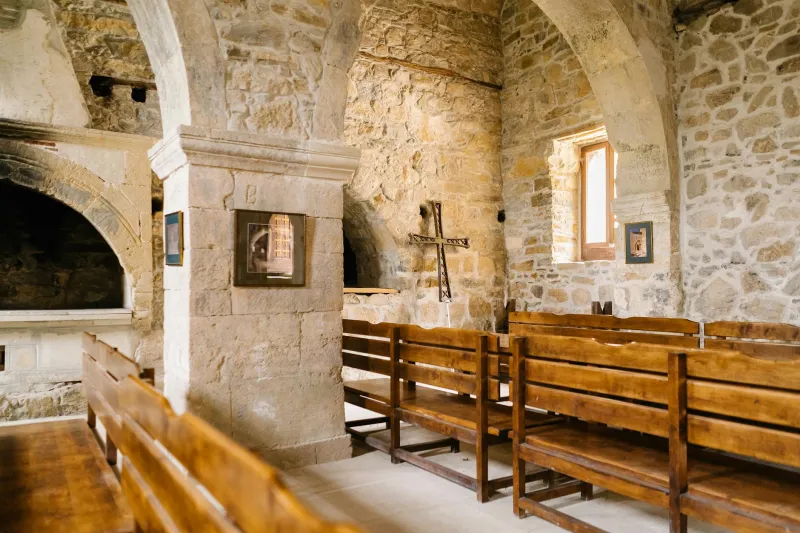
The Ledgers Behind the Liturgy
Every Sunday morning, as congregations gather beneath Norman arches and Victorian stained glass, a quieter drama unfolds in church offices across the Chilterns. Here, treasurers and finance committees grapple with a challenge that would daunt any accountant: keeping buildings designed for medieval life functioning in the twenty-first century, whilst nurturing communities whose giving patterns reflect modern economic pressures.
The numbers tell a sobering story. St Andrew's thirteenth-century tower requires £45,000 worth of stonework repairs. Holy Trinity's Victorian heating system, installed when coal cost pennies per hundredweight, now consumes £3,000 of gas each winter quarter. Christ Church faces a £12,000 bill for roof repairs after last winter's storms. These aren't luxuries or improvements – they're the basic maintenance costs of keeping sacred spaces weatherproof and welcoming.
 Photo: Holy Trinity, via images-wixmp-ed30a86b8c4ca887773594c2.wixmp.com
 Photo: St Andrew's, via i.ebayimg.com
The Treasurer's Burden
Peter Matthews has served as treasurer for St Bartholomew's for eight years, inheriting ledgers that stretch back to when shillings and pence made bookkeeping complicated in different ways. His kitchen table bears the evidence of modern church finance: grant applications, quotations from specialist stone masons, energy bills that arrive with depressing regularity, and carefully maintained spreadsheets tracking every pound donated and spent.
"People assume church treasurers just count the collection and pay the vicar," Peter explains, gesturing toward a folder marked 'Heritage Grants – Pending'. "The reality involves everything from VAT reclaims on building repairs to negotiating with Historic England about approved materials for listed buildings. I spend more time researching medieval mortar recipes than I ever expected."
The role demands an unusual combination of skills: accounting precision, project management capability, and the diplomatic talents needed to explain to congregations why replacing a few roof tiles costs more than most people's annual holidays.
Creative Solutions
Faced with mounting costs and finite resources, Chilterns churches have developed remarkable ingenuity. St Mary's launched a 'Buy a Stone' campaign, allowing supporters to sponsor individual repairs to their Norman doorway. Each £50 donation covers one stone's restoration, with donors receiving photographs of 'their' stone before and after treatment. The campaign raised £18,000 in six months, transforming an overwhelming project into manageable, personal contributions.
 Photo: St Mary's, via i.pinimg.com
Holy Trinity took a different approach to their heating crisis, installing a community-funded biomass system that burns locally sourced wood pellets. The initial investment of £25,000 came from a combination of government grants, diocesan loans, and a parish share scheme where members could buy £100 bonds repaid through reduced heating costs. Three years later, the church has cut its heating bills by 60% whilst supporting local forestry.
The Grant Application Game
Navigating heritage funding requires skills most theology degrees don't cover. Church treasurers have become expert at translating spiritual needs into the language of grant applications, demonstrating 'community benefit' and 'heritage value' to secular funding bodies.
Sarah Jenkins, who coordinates funding applications for three Chilterns parishes, describes the learning curve: "My first Heritage Lottery application was forty-seven pages of architectural history, community surveys, and financial projections. I felt like I was writing a PhD thesis about why our church bell tower matters to British cultural heritage. Two years and three revisions later, we received £67,000 for restoration work that will keep our bells ringing for another century."
Success requires patience and persistence. Most significant grants involve multiple application rounds, site visits from heritage officers, and detailed reporting on spending. Churches that master this process often become informal advisors to neighbouring parishes, sharing templates and expertise.
Energy Costs and Ancient Buildings
The recent surge in energy costs has particularly challenged churches whose buildings were designed for different heating expectations. Medieval congregations expected to feel cold during winter services; modern worshippers, less so. Victorian heating systems, installed when fuel was cheap and environmental concerns distant, now consume budgets faster than they warm buildings.
Some churches have embraced radical solutions. St Peter's invested in individual pew heaters, allowing targeted warmth rather than heating the entire building. Christ Church installed a coffee station in the vestry, creating a warm gathering space for pre and post-service socialising. Others have shortened winter services, acknowledging that twenty-minute worship in warm coats beats hour-long services in unheated buildings with dwindling congregations.
The Stewardship Challenge
Behind every financial decision lies a theological question: what do we owe to previous generations who built these sacred spaces, and to future generations who might inherit them? Church treasurers often speak of feeling like custodians rather than owners, responsible for maintaining buildings that belong to centuries of worshippers past and future.
"We're not just keeping the lights on," reflects Margaret Wilson, treasurer at St Michael's. "We're preserving spaces where people have prayed, married, mourned, and celebrated for eight hundred years. When I sign a cheque for roof repairs, I'm ensuring that my great-grandchildren might still hear wedding bells ringing from our tower. That's worth a few sleepless nights over the budget."
Community Investment
The most successful church financial strategies involve entire communities, not just congregations. Village halls hosted by churches generate rental income whilst serving local needs. Church-based food banks and community cafés create revenue streams whilst fulfilling mission objectives. Wedding and concert bookings help offset maintenance costs whilst showcasing buildings to potential new supporters.
Some churches have embraced social enterprise models. St Andrew's rents unused office space to local charities, generating monthly income whilst supporting community organisations. Holy Trinity's churchyard maintenance is funded through a community gardening scheme where local residents pay modest annual fees for small allotments amongst the gravestones.
The Quiet Tenacity
Perhaps most remarkable is the quiet determination of those who refuse to let financial pressures diminish their communities' spiritual life. They organise coffee mornings and car boot sales, write grant applications and chase invoices, negotiate with contractors and comfort worried parishioners – all whilst maintaining the faith that called them to service in the first place.
As Peter Matthews observes, filing away another successful grant application: "Jesus said not to worry about tomorrow, but someone still needs to pay the electricity bill. We do this work not because we're natural accountants, but because we believe these sacred spaces matter. Every pound we raise, every repair we fund, every bill we pay is an act of faith – faith that God's work in this place will continue long after our own stewardship ends."
In church offices across the Chilterns, the ledgers balance and the lights stay on, testament to the quiet heroism of those who count every penny so that faith can flourish.