Breaking Down Barriers: The Journey Towards Truly Inclusive Worship in Chinnor's Faith Communities
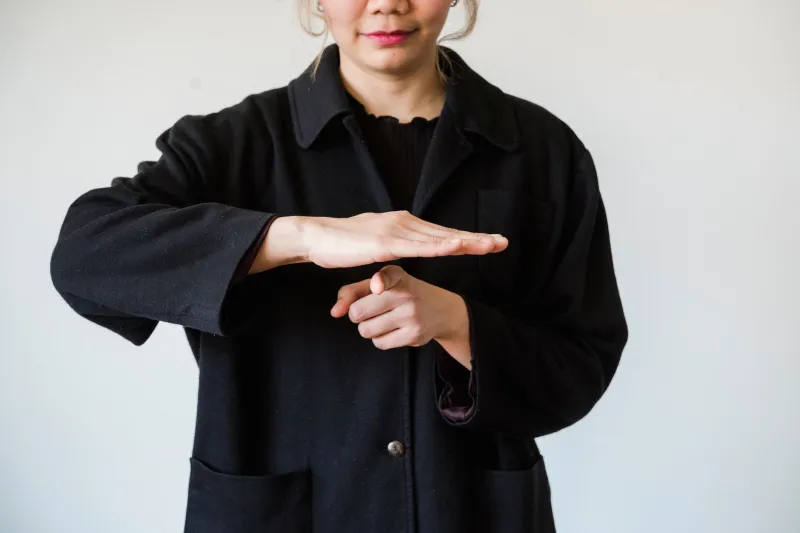
The Sound of Silence, The Power of Sign
When Rachel Davies first walked into Holy Trinity Church eighteen months ago, she experienced what many Deaf worshippers know all too well—the isolation of standing amongst a singing congregation whilst hearing nothing but silence. Today, thanks to the church's commitment to accessibility, Rachel serves as a lay reader, her sermons delivered fluently in British Sign Language whilst simultaneously interpreted for hearing congregants.
 Photo: Holy Trinity Church, via donna.pl
"The transformation has been remarkable," explains Reverend Patricia Holmes, who initiated the accessibility programme after recognising significant gaps in their community outreach. "We realised we were inadvertently excluding an entire segment of our local population. Faith should never require perfect hearing."
The journey towards inclusive worship across Chinnor's churches represents both inspiring progress and honest acknowledgment of work yet to be done. As communities grapple with practical, financial, and cultural barriers to accessibility, they're discovering that inclusion enriches worship for everyone.
Beyond the Hearing Loop
Whilst hearing loops have become standard in many churches, true accessibility requires far deeper consideration. At St Andrew's, the installation of visual alert systems now ensures that Deaf congregants receive the same cues as hearing worshippers—flashing lights indicate when to stand, sit, or participate in responsive readings.
 Photo: St Andrew's, via www.autoportee-discount.fr
Church warden Michael Thompson recalls the learning curve involved. "We thought a hearing loop would solve everything," he admits. "But we quickly realised that many profoundly Deaf individuals don't benefit from amplification. We needed to think differently about communication itself."
The church now employs qualified British Sign Language interpreters for major services, funded through a combination of congregation donations and grants from the Diocese of Oxford's accessibility fund. More significantly, they've begun incorporating visual elements into worship that enhance the experience for all congregants.
 Photo: Diocese of Oxford, via csac-dz.com
Voices from the Community
David Pearson, who has been profoundly Deaf since childhood, speaks passionately about the difference inclusive worship has made to his spiritual life. "For years, I felt like a spectator in my own faith community," he shares through his interpreter. "I could see people singing, see their mouths moving in prayer, but I was locked out of the actual content. Now, I'm not just attending worship—I'm participating fully."
His wife, Sarah, who is hearing, describes the unexpected benefits of signed worship. "Watching our prayers and hymns expressed in BSL adds a visual beauty to worship that I never anticipated. Sign language has its own poetry, its own way of expressing devotion that enriches everyone's understanding."
The Challenge of Sacred Language
Translating theological concepts into British Sign Language presents unique challenges that go beyond simple vocabulary. BSL interpreter Claire Matthews, who works regularly with Christ Church, explains the complexity involved.
"Religious language is often metaphorical, steeped in cultural and historical contexts that don't always translate directly," she notes. "When we sing about 'washing in the blood of the lamb,' that imagery requires careful explanation and cultural context for Deaf congregants who may not share the same biblical background."
The solution has involved collaboration between interpreters, clergy, and Deaf community members to develop sign vocabulary that maintains theological accuracy whilst remaining culturally appropriate. This process has sparked fascinating theological discussions that have enriched the entire congregation's understanding.
Technology and Innovation
St Mary's has embraced technological solutions to enhance accessibility. Large screens now display not only hymn lyrics but also visual representations of musical rhythms, helping Deaf congregants participate in the physical aspects of sung worship. During communion, visual cues replace audio announcements, ensuring everyone knows when to approach the altar.
Youth minister Emma Richardson has pioneered the use of tablet devices during children's services, allowing Deaf children to access interactive biblical stories through sign language videos and visual activities. "Children are naturally inclusive," she observes. "When they see their Deaf peers participating fully, it normalises accessibility for everyone."
Honest Assessment: Gaps That Remain
Despite significant progress, church leaders acknowledge substantial work remains. Cost presents a major barrier—qualified BSL interpreters command professional rates that strain church budgets already stretched by building maintenance and community programmes.
"We can't offer interpretation for every service yet," admits Reverend Holmes frankly. "We're working towards that goal, but we're not there. It means some Deaf congregants still face choices about which services they can fully attend."
Training represents another challenge. Whilst several congregation members have begun learning basic BSL, achieving the fluency required for theological interpretation takes years of study. The churches are exploring partnerships with local colleges and the British Deaf Association to develop sustainable training programmes.
Cultural Shifts and Deeper Understanding
Perhaps most significantly, the accessibility initiative has prompted broader cultural shifts within congregations. Members report increased awareness of different communication styles, greater patience with technological adaptations, and deeper appreciation for non-verbal forms of worship.
"We've discovered that slowing down our speech, making eye contact, and being more intentional about visual communication benefits everyone," reflects lay minister John Davies. "Elderly congregants with hearing difficulties, children with attention challenges, visitors who speak English as a second language—inclusive practices create more welcoming worship for all."
Building Sustainable Inclusion
Looking forward, Chinnor's churches are developing long-term strategies for sustainable accessibility. This includes budgeting for interpretation services, training congregation members in basic BSL, and designing new programmes with accessibility built in from the start rather than added as an afterthought.
The Diocese of Oxford has recognised their efforts, featuring Chinnor's accessibility programme as a model for other rural parishes facing similar challenges. Grant funding has enabled the purchase of portable hearing loop systems that can be shared between churches, maximising resources whilst ensuring consistent access.
A Vision of True Welcome
As Rachel Davies prepares to deliver her monthly sermon, the transformation in her church community is evident. Hearing congregants watch her signs with respect and growing understanding. Children wave hello in BSL they've learned in Sunday school. The church has become genuinely bilingual, enriched by the linguistic and cultural diversity of its Deaf members.
"True accessibility isn't about charity or accommodation," reflects Reverend Holmes as she watches the congregation gather. "It's about recognising that the body of Christ includes all people, and that our worship is incomplete when anyone is excluded. We're not doing this to help the Deaf community—we're doing it because they help us understand what it truly means to be church together."
The journey towards inclusive worship continues across Chinnor's churches, marked by both celebration and ongoing commitment. In breaking down barriers to participation, these faith communities are discovering that accessibility doesn't diminish worship—it transforms it, creating sacred spaces where every person can encounter the divine in their own language, at their own pace, with the full dignity of genuine belonging.