Sacred Steps: Walking the Chilterns as Prayer in Motion
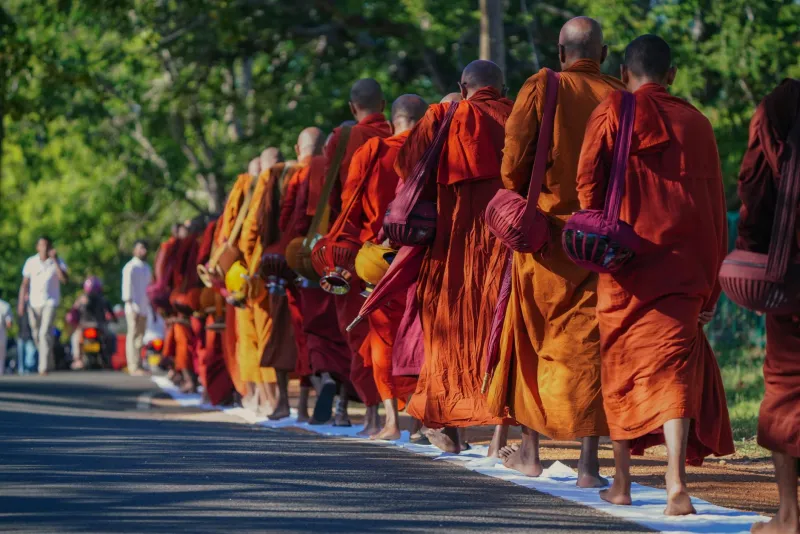
Footsteps as Prayer
The ancient Romans built the Icknield Way across the Chiltern Hills, but they couldn't have imagined that two millennia later, Christian pilgrims would follow these same paths in search of spiritual renewal. Across Chinnor and the surrounding villages, church communities are embracing walking as a form of collective prayer, transforming familiar countryside into sacred space through intentional journey.
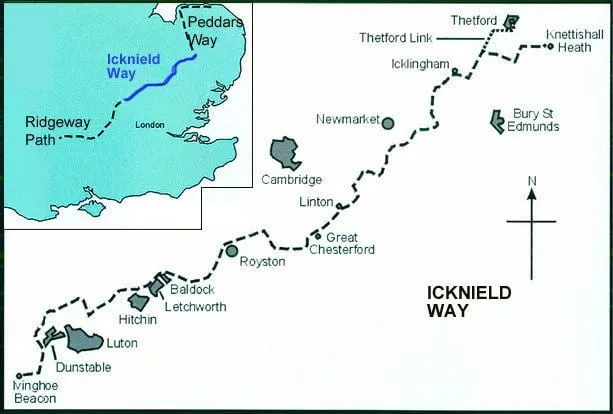 Photo: Icknield Way, via alchetron.com
St Mary's Church in nearby Princes Risborough launched their "Walking with God" programme eighteen months ago, inspired by medieval pilgrimage traditions and modern environmental awareness. What began as a single experimental walk now attracts participants from across the Chilterns, including regular attendees from Chinnor's churches.
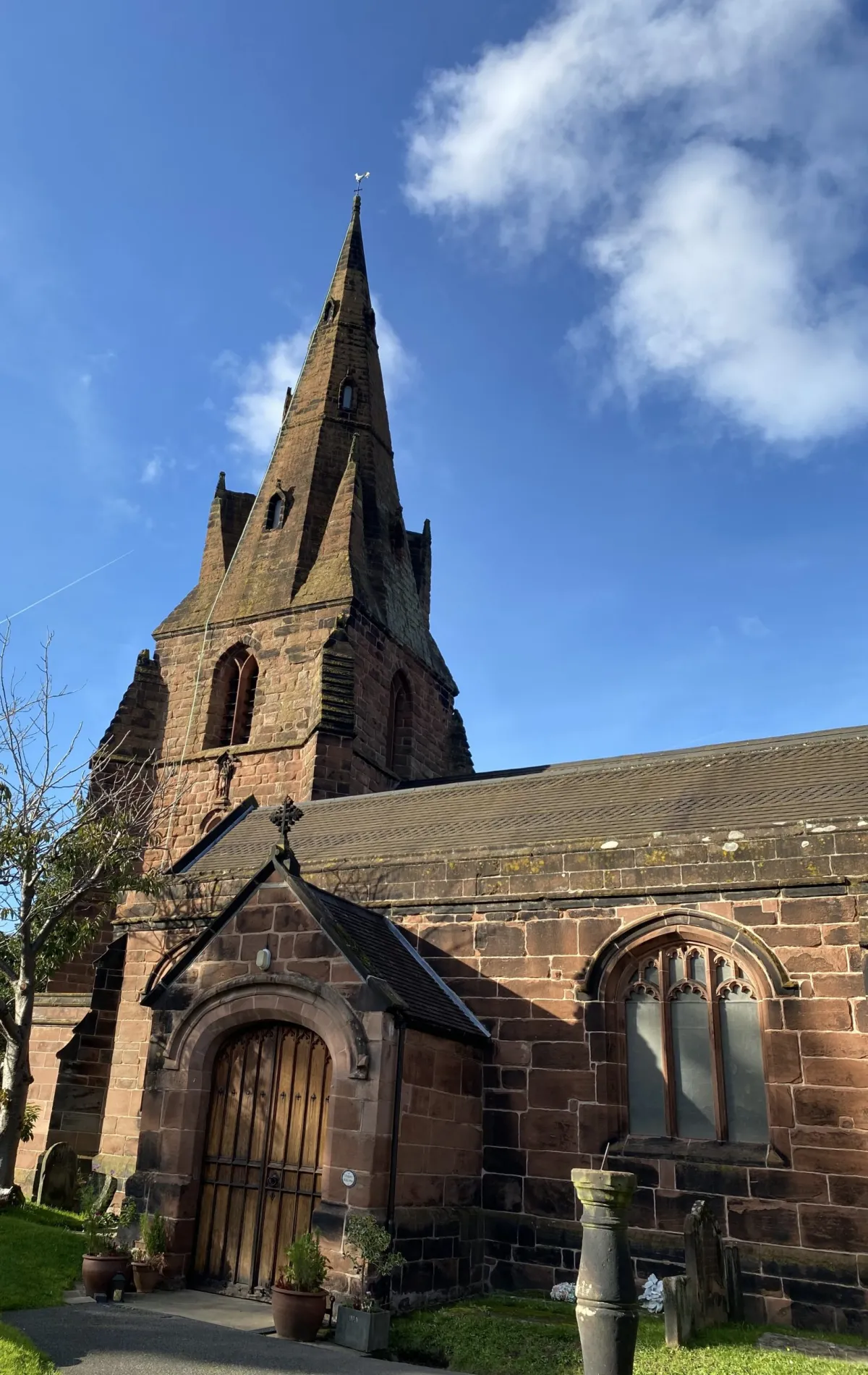 Photo: St Mary's Church, via stmaryseastham.uk
"Walking changes how we pray," explains programme coordinator Helen Davies. "Instead of sitting in pews, we're moving through creation. Our prayers have rhythm, our thoughts have space to develop naturally."
Ancient Paths, Modern Pilgrims
The Chilterns offer ideal terrain for contemplative walking. Ancient trackways like the Ridgeway and Icknield Way connect villages that have hosted Christian worship for over a thousand years. These paths carry history in their chalk and flint surfaces, offering modern pilgrims connection to countless previous travellers.
Father Michael Thompson from All Saints' Chinnor often leads interfaith walks, welcoming participants regardless of denomination or belief level. "Jesus walked everywhere," he observes. "His ministry happened on roads, by lakeshores, up mountains. Walking puts us in his footsteps literally and figuratively."
Typical pilgrim walks last three to four hours, covering eight to ten miles at contemplative pace. Routes deliberately include historic churches, ancient burial grounds, and natural features that inspire reflection. Participants receive simple guidelines: walk in silence for designated periods, pause for shared readings, conclude with communal prayer.
The Rhythm of Reflection
Regular participant Joan Whitman describes the transformative power of walking prayer: "At home, my mind races with distractions. Walking settles my thoughts naturally. The rhythm of footsteps becomes a kind of rosary."
The physical demands of walking create unique spiritual conditions. Gentle exertion releases endorphins whilst fresh air and natural surroundings reduce stress hormones. Participants often report heightened awareness of both their physical bodies and spiritual longings.
"Walking prayer engages the whole person," notes Dr Sarah Mitchell, a psychologist who regularly joins the walks. "Mind, body, and spirit work together. It's holistic worship in the truest sense."
Community on the Trail
Group walks build fellowship differently than traditional church activities. Shared physical challenge creates bonds, whilst the informal setting encourages conversation that might not emerge in formal church contexts. Age differences matter less when everyone faces the same hill to climb.
Retired headteacher Robert Barnes appreciates the intergenerational aspect: "I've had profound conversations with teenagers on these walks. Walking side by side somehow makes dialogue easier than sitting face to face."
The groups deliberately include participants with varying mobility levels. Shorter alternative routes ensure inclusion, whilst rest stops accommodate different fitness levels. "God's creation is for everyone," Helen insists. "We adapt our walks, not our welcome."
Seasonal Spirituality
Walking pilgrims experience faith through changing seasons in ways impossible within church buildings. Spring walks celebrate resurrection through emerging wildflowers and returning birdsong. Summer journeys explore abundance and growth. Autumn pilgrimages contemplate mortality alongside falling leaves. Winter walks embrace dormancy and waiting.
"Each season teaches different spiritual lessons," reflects regular participant Emma Clarke. "You can't rush a bluebell or hurry harvest. Walking through the year teaches patience and acceptance."
Weather becomes part of the spiritual experience rather than an obstacle. Rain walks teach endurance and solidarity. Misty mornings create mystery and wonder. Clear days inspire gratitude and praise. "Jesus prayed in all weather," Father Thompson notes. "We shouldn't expect our spiritual lives to be always sunny."
Practical Pilgrimage
Organising walking pilgrimages requires careful preparation. Routes must be researched for safety and accessibility. Permission is needed for private land crossings. Weather contingencies and emergency procedures ensure participant safety.
Local walks typically begin and end at church buildings, allowing for opening prayers and closing reflection. Longer pilgrimages might visit multiple churches, creating connections between communities whilst exploring different worship traditions.
"Planning is essential, but spontaneity matters too," Helen explains. "We might pause unexpectedly for a spectacular view or interesting wildlife. The Spirit moves in unplanned moments."
Environmental Discipleship
Walking pilgrims develop deeper environmental awareness through direct creation contact. Participants notice seasonal changes, wildlife behaviours, and landscape details invisible from car windows. This awareness often translates into enhanced environmental stewardship.
"Walking makes you care about the land differently," observes environmental scientist and regular walker Dr James Peterson. "When you've walked every footpath in your parish, you notice changes. You feel responsible for what you've experienced intimately."
Several participants have become involved in local conservation projects after experiencing the countryside through walking prayer. The connection between creation care and spiritual practice becomes visceral rather than merely intellectual.
Growing the Movement
Interest in walking pilgrimage continues expanding across Chilterns churches. St Andrew's Chinnor plans to launch their own programme next spring, whilst existing groups consider overnight pilgrimages to more distant destinations.
"Walking prayer isn't replacing traditional worship," Helen clarifies. "It's adding another dimension. Some people connect with God better in movement than in stillness. We're expanding opportunities, not abandoning traditions."
The ancient practice of pilgrimage finds new expression in modern Chilterns villages, proving that sacred journeys need not require distant destinations. Sometimes the most profound spiritual discoveries happen along familiar paths, walked with new intention and open hearts.