Where Tears Meet Grace: Transforming Farewell Services in Chinnor's Caring Churches
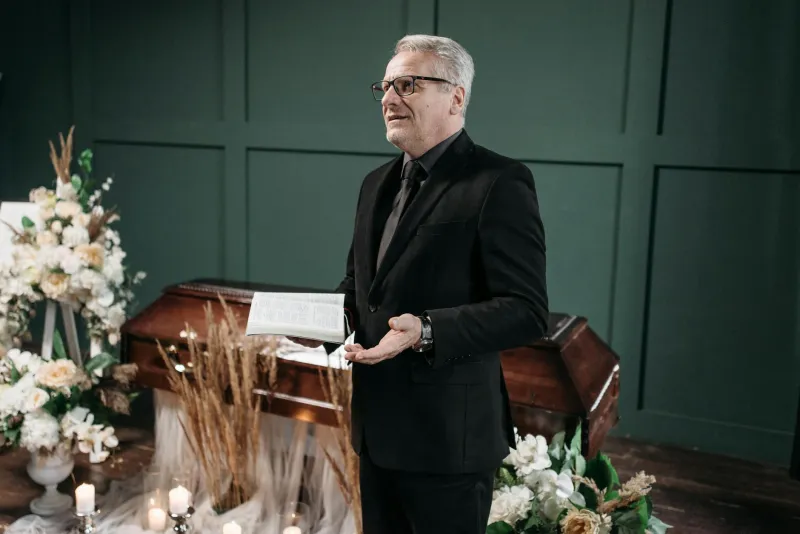
When Sacred Meets Personal
The phone call came on a Tuesday afternoon to Reverend Michael Harrison at St Andrew's Church. The voice on the other end belonged to a woman whose father had just passed away—someone who hadn't set foot in a church for twenty years but felt drawn to mark his passing in the place where he'd been christened seventy-three years earlier.
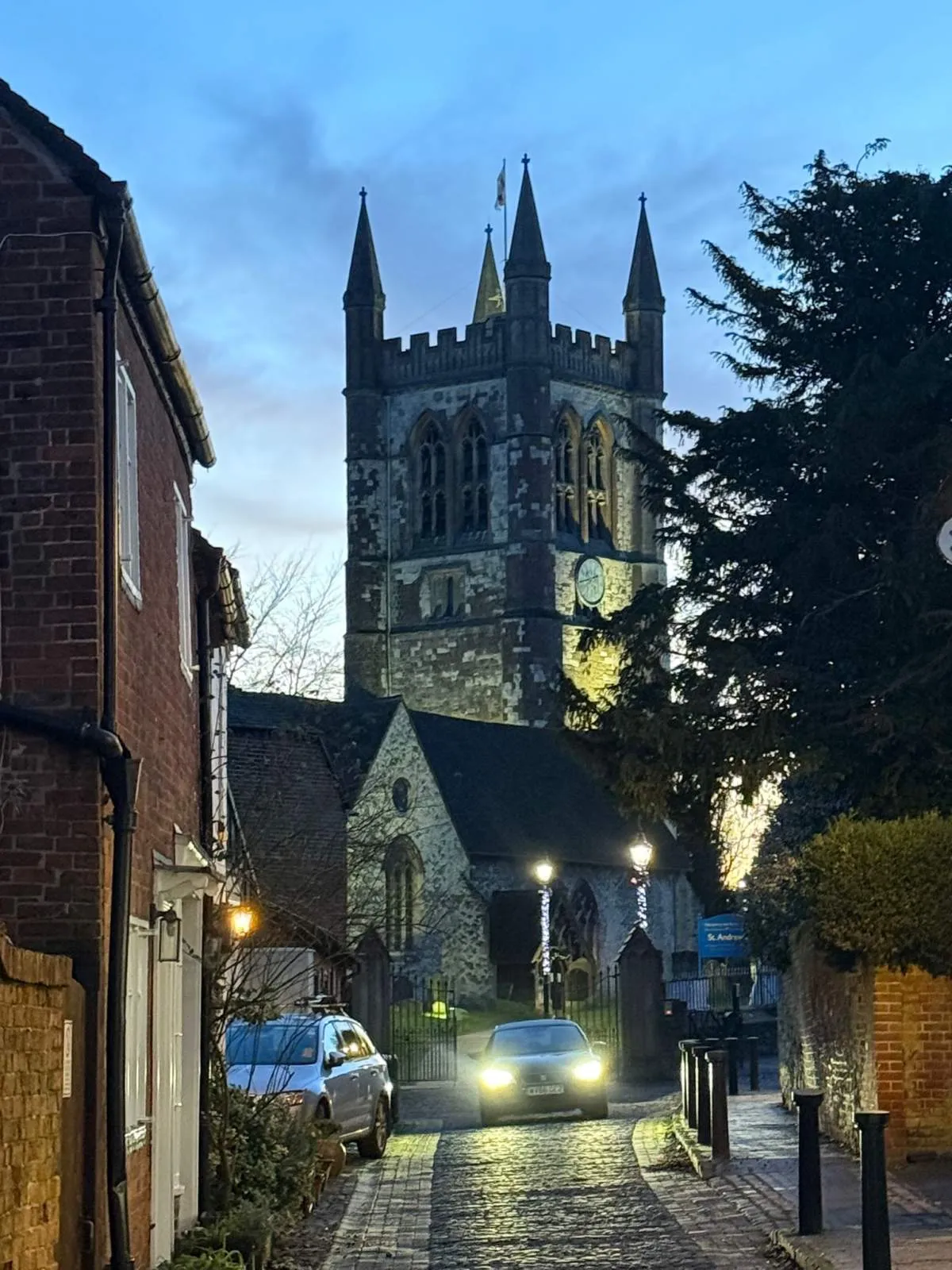 Photo: St Andrew's Church, via www.artfreaks.com
"She was worried we'd judge her family for not being regular churchgoers," Reverend Harrison recalls. "I told her what I tell everyone: grief doesn't require a membership card. Our doors are open to anyone seeking comfort and meaning in their darkest hour."
This conversation reflects a broader trend across Chinnor's churches, where clergy and lay ministers are discovering that their role in funeral ministry extends far beyond serving established congregations. Increasingly, they're called upon to provide spiritual care for families who may have little connection to organised religion but recognise the unique comfort that sacred space and ritual can provide during bereavement.
Honouring Life Stories
The traditional funeral service, with its emphasis on liturgy and scripture, remains the foundation of Christian funeral ministry. However, Chinnor's churches are finding creative ways to weave personal celebration into sacred framework, creating services that honour both faith tradition and individual life stories.
"We've learned to listen more carefully to families about who their loved one really was," explains Reverend Sarah Chen from Holy Trinity. "Yes, we'll include the traditional prayers and readings that have comforted Christians for centuries. But we'll also make space for the story of someone who loved gardening, or coached local football, or spent forty years teaching at the village school."
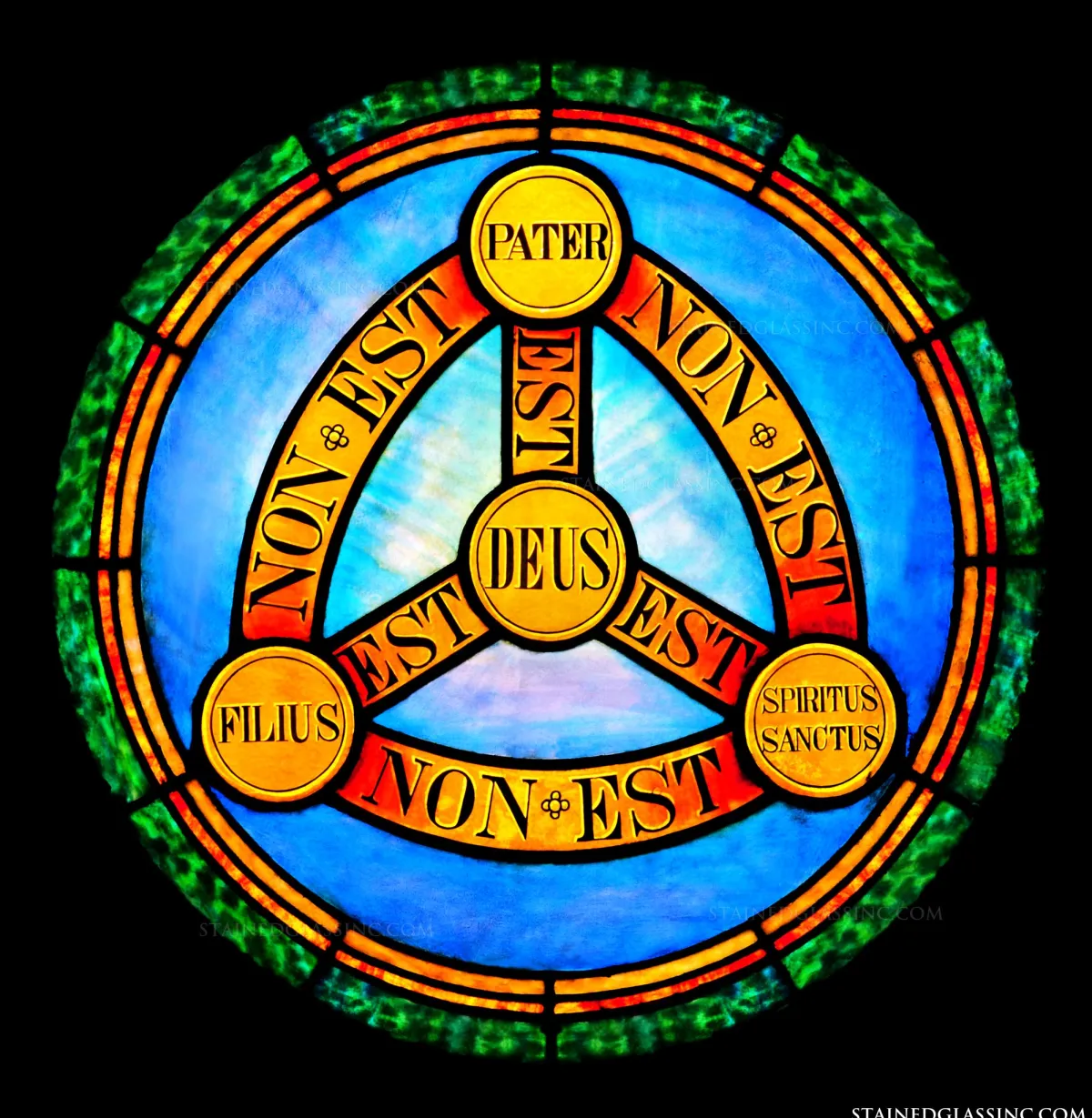 Photo: Holy Trinity, via stainedglassinc.com
This personalisation might take many forms: favourite hymns chosen not for theological significance but for emotional resonance; eulogies that celebrate professional achievements alongside spiritual faith; or readings from literature that held special meaning for the deceased. The challenge lies in maintaining the sacred nature of the service whilst allowing room for very human expressions of love and loss.
Expanding Sacred Space
Perhaps nowhere is this adaptation more evident than in the growing number of outdoor memorial services taking place in Chinnor's churchyards. What began as a practical response to COVID-19 restrictions has evolved into a meaningful option for families seeking alternatives to traditional church-based ceremonies.
"Some people find peace in being surrounded by ancient yew trees and weathered headstones," notes funeral director Patricia Wells, who works closely with local churches. "There's something about being in the open air, with the sounds of birds and wind, that can feel more natural for celebrating someone who loved the outdoors."
These outdoor services require careful planning and flexibility from clergy. Weather contingencies must be considered, sound systems adapted, and liturgies modified for open-air acoustics. Yet many families report finding unexpected comfort in this setting, particularly when burying someone with strong connections to the local landscape.
"We conducted a service last autumn for a gentleman who'd walked these churchyard paths every morning for thirty years," recalls Reverend Harrison. "Having his funeral outside, where he'd found daily peace, felt like the most natural thing in the world. His widow said it was exactly what he would have wanted."
The Art of Compassionate Flexibility
Navigating between traditional liturgy and personal preference requires considerable pastoral skill. Clergy must discern when adaptation serves genuine pastoral need versus when it might compromise the integrity of Christian funeral rites.
"There's a difference between personalisation and commercialisation," observes Reverend Chen. "We'll gladly include someone's favourite piece of music if it brings comfort to the family, but we won't turn a funeral into a purely secular celebration. Our role is to help families find God's presence in their grief, not to provide a venue for any kind of service they might want."
This discernment process often begins with extensive pre-funeral pastoral care. Clergy spend hours with bereaved families, listening to stories, understanding relationships, and gently exploring how faith might speak into their loss—even for those who wouldn't consider themselves religious.
"I've sat in countless living rooms with people who say they don't believe in God, but who desperately want their mother's funeral to have meaning beyond just marking the end of a life," reflects Reverend Harrison. "My job isn't to convert them, but to help them discover that their longing for meaning, for hope, for connection to something greater than themselves—that longing itself points toward the sacred."
Supporting the Journey of Grief
Perhaps the most significant development in Chinnor's funeral ministry has been the recognition that pastoral care extends far beyond the funeral service itself. Churches are investing heavily in bereavement support, understanding that the acute pain of loss often intensifies rather than diminishes in the weeks and months following the funeral.
"The funeral is actually the easy part," explains Margaret Foster, who coordinates bereavement support at All Saints. "It's when everyone else returns to normal life, when the casseroles stop arriving and the phone stops ringing, that the real work of grief begins. That's when people most need the church's care."
 Photo: All Saints, via images.template.net
This ongoing support takes many forms: regular phone calls to check on bereaved family members; invitation to special memorial services on significant dates; grief support groups that meet monthly in church halls; and simple gestures like remembering anniversaries of death or what would have been birthdays.
"We had one family who lost their teenage son in a car accident," Margaret recalls. "Two years later, we still send them a card on his birthday and the anniversary of his death. The mother told me those cards are often the only acknowledgment she receives that her son's life mattered. That's the kind of ministry that happens long after the funeral flowers have faded."
Training for Transformation
Recognising the evolving nature of funeral ministry, Chinnor's churches have invested in additional training for both clergy and lay volunteers involved in bereavement care. This includes workshops on supporting families from different cultural backgrounds, understanding contemporary grief patterns, and managing their own emotional wellbeing whilst caring for others.
"Funeral ministry has become more complex, but also more rewarding," notes Reverend Chen. "We're not just conducting services according to a prescribed formula—we're walking alongside families through one of life's most profound experiences. That requires skills in counselling, cultural sensitivity, and pastoral theology that weren't always emphasised in traditional ministerial training."
A Community Response to Loss
What emerges from conversations with Chinnor's clergy and bereaved families is a picture of churches that understand their role as more than service providers. They see themselves as guardians of communal memory, places where individual stories of love and loss connect to larger narratives of hope and meaning.
"When someone dies in our village, it affects the whole community," observes Reverend Harrison. "Our churches provide a space where that collective grief can be acknowledged and transformed. We're not just burying individuals—we're helping a community process loss and reaffirm the values that bind us together."
This community dimension is perhaps most evident in the annual All Souls' services that many Chinnor churches now hold, where anyone who has lost someone in the past year is invited to light a candle and hear their loved one's name read aloud. These services often draw people who rarely attend church otherwise, but who find comfort in this simple act of communal remembrance.
"Death doesn't discriminate between the religious and the secular," reflects Reverend Chen. "Neither should our care. When we open our doors to anyone seeking meaning in the face of mortality, we discover that the church's ancient wisdom about death and resurrection speaks to universal human needs. That's not compromise—that's incarnation."