The Faithful Few: Celebrating the Quiet Heroes Behind Chinnor's Church Doors

The 6 AM Call to Service
Whilst most of Chinnor still sleeps, Margaret Thornton is already climbing the narrow stone steps to St Andrew's bell tower. At 72, she's been part of the church's bell-ringing team for nearly four decades, her hands moving with practised precision across the ropes that have summoned the faithful for centuries.
"People think bell-ringing is just about Sunday service," Margaret explains, adjusting her grip on the treble bell rope. "But we're here for weddings, funerals, special festivals—any time the community needs calling together. It's about being the voice of the church when words aren't enough."
Margaret represents just one thread in an intricate tapestry of volunteer service that keeps Chinnor's churches functioning week after week, year after year. Behind every Sunday service, every community event, every moment of pastoral care, stands an army of dedicated individuals whose contributions often go unnoticed but never unappreciated.
The Art of Sacred Stewardship
Across the village at Holy Trinity, churchwarden David Phillips begins his weekly inspection of the building. Armed with a clipboard and torch, he methodically checks everything from heating systems to roof tiles, ensuring the 14th-century structure remains safe and welcoming for modern worshippers.
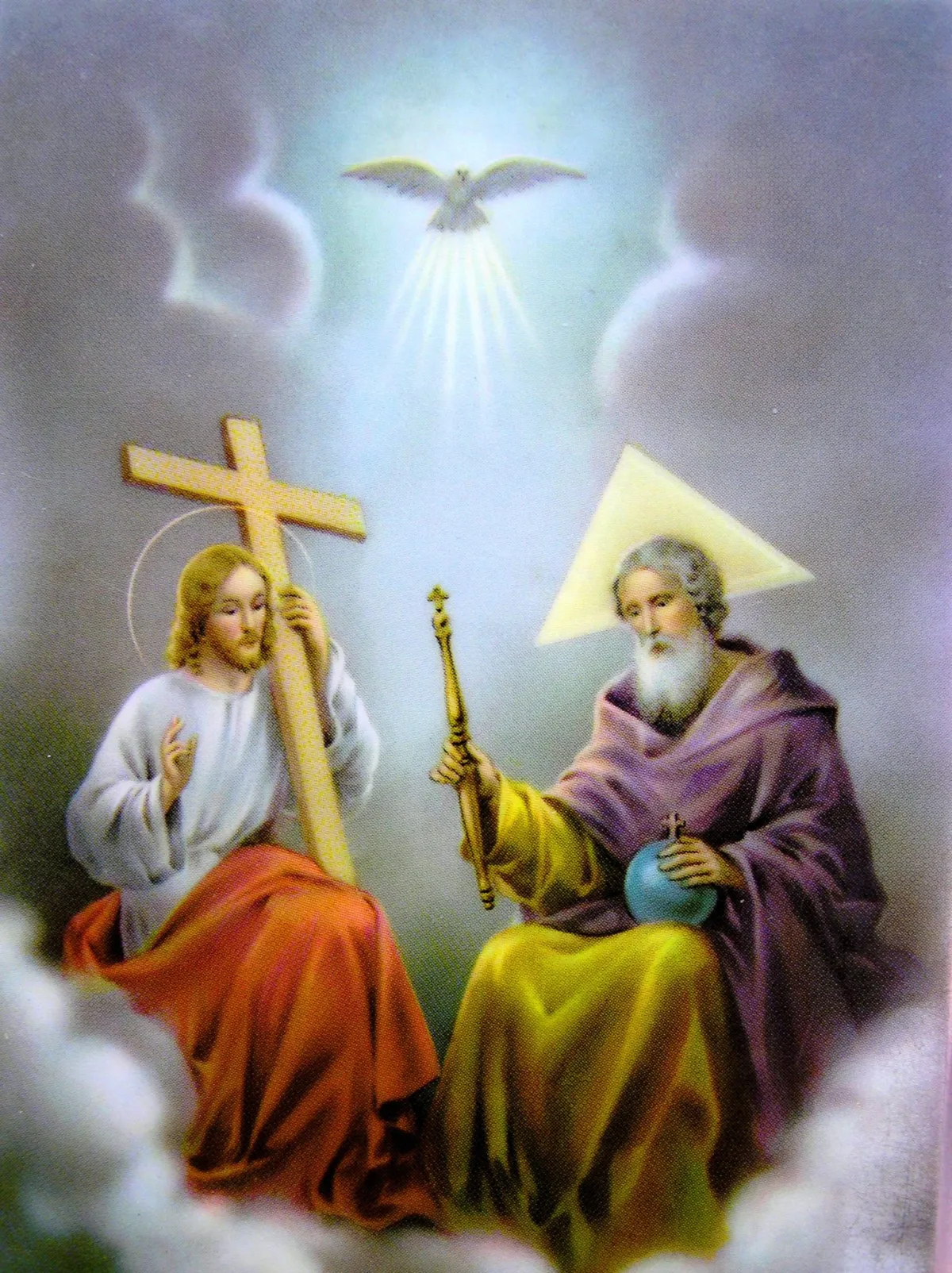 Photo: Holy Trinity, via sistersofcharity.com
"Being a churchwarden isn't glamorous," David admits with a wry smile. "Last week I spent three hours fixing a blocked drain. The week before, I was up a ladder replacing guttering. But this building has served our community for over 600 years—my job is to make sure it serves for 600 more."
The role of churchwarden, one of the oldest lay positions in the Church of England, has evolved considerably from its medieval origins. Today's churchwardens are part facilities manager, part financial overseer, part pastoral carer, and part diplomat. They navigate planning permissions for building repairs, coordinate with contractors, manage budgets, and serve as the crucial link between clergy and congregation.
"What keeps me going is knowing that everything I do—every repair, every safety check, every insurance claim—enables someone else to encounter God in this space," David reflects. "I'm not leading worship, but I'm making worship possible."
The Language of Flowers
In the vestry of St Peter's, Jennifer Walsh carefully arranges white lilies and seasonal greenery, preparing the altar for Sunday's service. As head of the flower arranging team, she coordinates a group of twelve volunteers who ensure the church is beautifully decorated throughout the liturgical year.
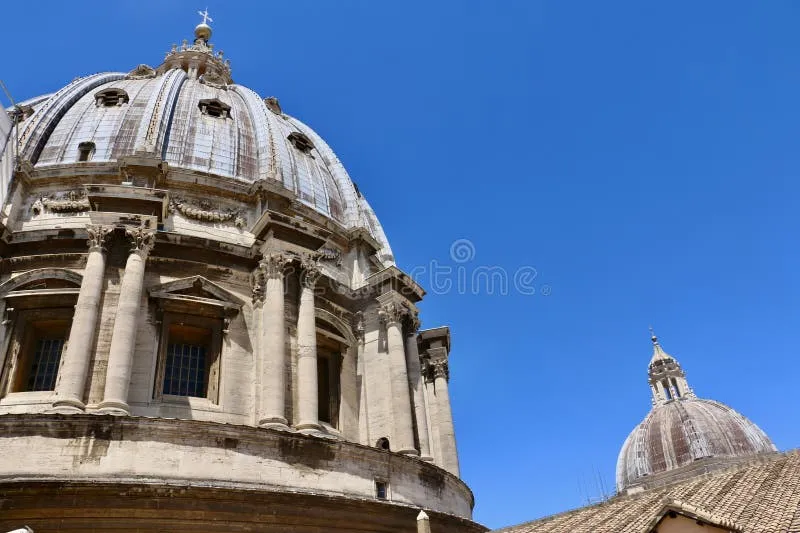 Photo: St Peter's, via thumbs.dreamstime.com
"Flowers are a form of prayer," Jennifer explains, stepping back to assess her arrangement. "Each season tells a different part of the Christian story—the hope of spring bulbs at Easter, the abundance of harvest displays in autumn, the stark beauty of Advent branches. We're not just decorating; we're helping people encounter the sacred through beauty."
The flower arranging ministry requires not only artistic skill but also deep liturgical knowledge. Jennifer's team must understand the church calendar, coordinate with clergy about special services, and work within tight budgets whilst creating displays that enhance rather than distract from worship.
"During the first lockdown, when the church was closed, we still arranged flowers each week," Jennifer recalls. "We'd photograph them and share the images online. People told us those flowers brought them comfort during the darkest days—they were a sign that beauty and hope endured even when we couldn't gather together."
The Numbers Behind the Mission
Every Tuesday evening, retired accountant Robert Chen spreads financial statements across the kitchen table in the church hall, preparing for the monthly finance committee meeting. As treasurer for All Saints, he manages an annual budget that covers everything from clergy stipends to boiler maintenance, ensuring the church's mission can continue regardless of financial pressures.
"People sometimes think church finances are simple—collection plate money paying for basic expenses," Robert explains. "The reality is far more complex. We're managing property maintenance for ancient buildings, funding community outreach programmes, supporting mission partnerships overseas, and planning for major capital projects. It requires the same financial discipline as any significant organisation."
Robert's role extends beyond mere bookkeeping. He provides strategic financial guidance, helps the church navigate grant applications for building repairs, and ensures compliance with charity commission regulations. His expertise has been crucial in securing funding for recent roof repairs and the installation of accessible facilities.
"What motivates me isn't the numbers themselves, but what those numbers represent," Robert notes. "Every pound carefully managed is a pound that can support someone in crisis, fund youth work, or maintain our building for future generations. Good stewardship is a form of worship."
Passing the Torch
Across Chinnor's churches, a common concern emerges: how to recruit and train the next generation of volunteers. Many current volunteers have served for decades, bringing invaluable experience but also highlighting the need for succession planning.
"We're actively working to make volunteering more accessible to younger families," explains Reverend Sarah Mitchell. "That might mean offering shorter-term commitments, providing childcare during volunteer training, or using technology to make some roles more flexible."
Some churches are experimenting with volunteer "taster sessions," allowing people to try different roles without long-term commitment. Others have created family-friendly volunteering opportunities where parents and children can serve together.
"The key is helping people understand that church volunteering isn't about having special skills or being particularly religious," notes Margaret Thornton. "It's about being willing to serve. We can teach anyone to ring bells or arrange flowers or balance books. What we can't teach is the heart to serve—but when we find people who have that heart, we invest everything in helping them grow."
The Ripple Effect of Service
What becomes clear from speaking with Chinnor's church volunteers is that their service extends far beyond the practical tasks they perform. Their commitment creates a culture of care that permeates the entire community.
"When you see Margaret climbing those tower steps every Sunday morning, rain or shine, for forty years, it teaches you something about faithfulness," observes one congregation member. "When you watch David spending his Saturday fixing church gutters instead of playing golf, it shows you what love in action looks like."
These volunteers don't just maintain buildings and organise services—they embody the values their churches seek to promote. Their quiet, consistent service provides a foundation of stability that enables more visible ministries to flourish.
"We're not the ones in the pulpit or leading the prayers," reflects Jennifer Walsh. "But we're part of creating the space where those things can happen. Every flower arrangement, every balanced book, every perfectly rung bell is our contribution to the worship of our community. That's not a small thing—that's everything."
In an age of declining church attendance and increasing secularisation, these volunteers represent something profound: the enduring power of faithful service. Their commitment ensures that Chinnor's churches remain not just historical monuments but living centres of community life, places where the sacred and everyday intersect through the simple, powerful act of showing up.