Echoes of Eternity: The Ancient Art of Change Ringing Resonates Across Chilterns Towers
The Mathematical Music of Faith
Every Sunday morning across the Chilterns, an ancient mathematical art form calls the faithful to worship. The sound of church bells isn't merely noise—it's change ringing, a uniquely English tradition that transforms bronze into prayer through precise mathematical sequences.
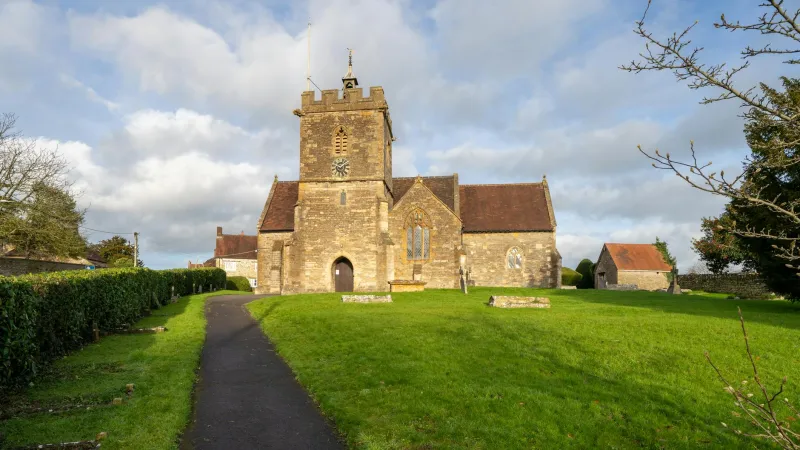
At St Andrew's Church in Chinnor, the tower houses six bells cast in the 18th century, their bronze voices carrying across the valley for generations. Tower Captain Margaret Thornbury has overseen the Sunday morning quarter peals for nearly three decades, watching newcomers transform from hesitant beginners into confident ringers.
 Photo: Margaret Thornbury, via images.artbrokerage.com
 Photo: St Andrew's Church in Chinnor, via cdn.seearoundbritain.com
"People think it's simply pulling a rope," Margaret explains, adjusting her grip on the sally. "But change ringing is pure mathematics set to motion. Each sequence follows strict rules—no bell can move more than one position at a time, and every possible combination must be rung before any repeats."
Learning the Language of Bronze
The tower at St Andrew's echoes with the patient instruction of experienced ringers teaching newcomers the ancient terminology. "Rounds" begin each practice session—the bells ringing in descending order from treble to tenor. From there, ringers progress to "Plain Hunt," where bells swap positions in controlled patterns, creating the cascading sound that defines English change ringing.
James Mitchell, aged 16, joined the band six months ago after hearing the bells from his garden. "My grandmother always said the bells were calling her to church," he recalls. "I wanted to understand what they were saying."
Under Margaret's tutelage, James has mastered the basic principles. The physical demands surprised him initially—controlling a bell weighing several hundredweight requires technique rather than strength. "It's about timing and rhythm," he explains. "Miss your moment and the whole sequence collapses."
Preserving Ancient Traditions
The Central Council of Church Bell Ringers estimates that fewer than 40,000 people actively ring changes across Britain—a concerning decline from post-war numbers. In the Chilterns, several towers struggle to maintain regular bands, making the thriving group at St Andrew's particularly precious.
"We're custodians of something irreplaceable," reflects David Harrington, who learned to ring at age 60 after retirement. "These bells have called people to worship for centuries. Every time we ring, we're part of that continuing story."
The band meets twice weekly—Wednesdays for practice and Sundays before morning service. New members receive patient instruction in the ringing chamber, starting with rope handling before progressing to actual bell control. The learning curve is steep but rewarding.
Community in the Tower
Change ringing creates unique bonds between participants. The shared concentration required for successful ringing builds trust and fellowship that extends beyond the tower. "You depend absolutely on your fellow ringers," Margaret observes. "One person's mistake affects everyone. It teaches humility and cooperation."
The social aspect attracts many members. After Wednesday practices, ringers often adjourn to the local pub, discussing techniques and sharing stories from other towers. Weekend outings to ring at neighbouring churches strengthen friendships whilst supporting struggling bands.
"The ringing community is extraordinarily welcoming," notes Sarah Coleman, who moved to Chinnor two years ago. "Within weeks of joining, I felt part of something special. These people became genuine friends."
Calling Future Generations
Modern challenges face this ancient art. Younger people often lack awareness of change ringing opportunities, whilst the physical demands deter some potential recruits. St Andrew's band actively recruits through local schools and community events, demonstrating that age barriers needn't apply.
"We've had ringers from eight to eighty," Margaret notes proudly. "The bells don't discriminate. If you can count and coordinate, you can learn to ring."
Recent innovations help preserve the tradition. Computer simulators allow practice without disturbing neighbours, whilst digital striking analysis helps ringers perfect their timing. However, nothing replaces the visceral experience of bronze bells moving overhead.
The Spiritual Dimension
For many ringers, the practice transcends mere hobby. The meditative concentration required creates a form of active prayer. "When everything clicks and the bells ring true, there's something transcendent," David reflects. "You're participating in worship before the service even begins."
The Sunday morning quarter peal serves a liturgical function, announcing the approaching service whilst creating sacred space through sound. "The bells prepare hearts for worship," explains Reverend Patricia Williams. "Ringers perform a ministry, even if they don't always recognise it as such."
Preserving the Future
As Chinnor's population grows, the bell ringers face both challenges and opportunities. New residents bring potential recruits, but modern lifestyles often conflict with traditional practice schedules. The band adapts whilst maintaining standards.
"We're not a museum piece," Margaret insists. "Change ringing evolves whilst preserving its essence. These bells will call future generations to worship, just as they've called ours."
The mathematics of change ringing ensure infinite possibilities—six bells can produce 720 unique changes, eight bells over 40,000. Like faith itself, the combinations never exhaust their potential for discovery and wonder.