Faith in Their Own Hands: Young Voices Reshaping Confirmation Across the Chilterns
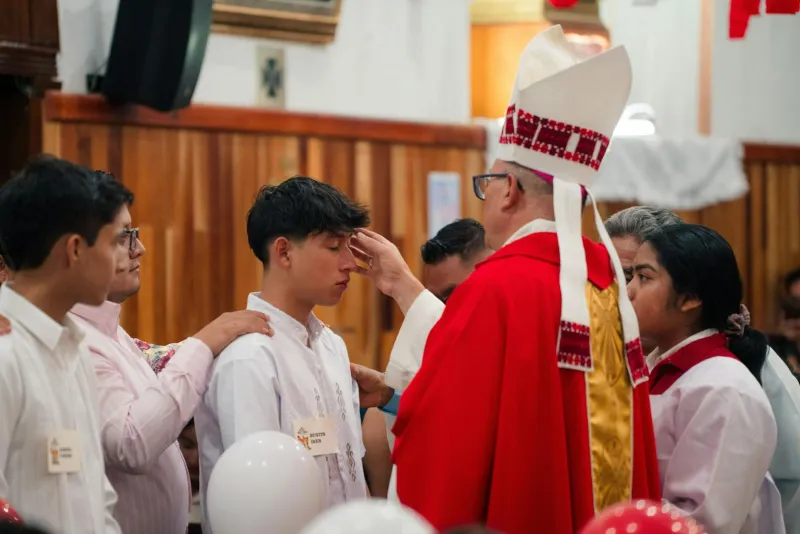
A Personal Journey, Not a Prescribed Path
In the quiet sanctuary of St Andrew's Church on a Wednesday evening, seventeen-year-old Emma Richardson sits with five other teenagers, each holding a well-worn journal filled with questions, doubts, and discoveries. This isn't your traditional confirmation class—there's no rote memorisation of catechism, no rigid curriculum to follow. Instead, these young people are embarking on what their youth leader calls "a journey of authentic faith exploration."
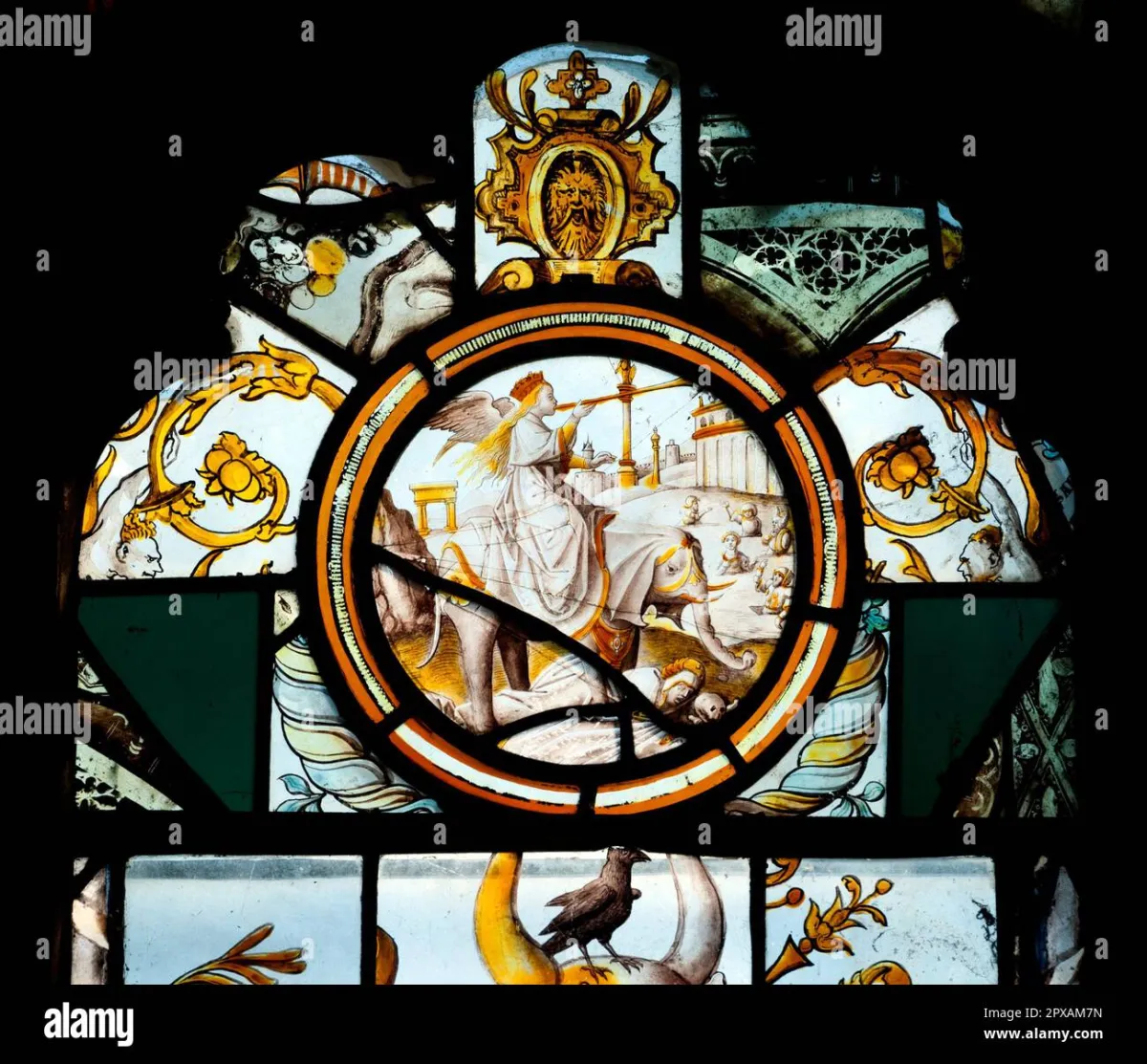 Photo: St Andrew's Church, via c8.alamy.com
"I wanted to be confirmed because I had questions, not because I had all the answers," Emma explains. "Our group spent months talking about everything—from why suffering exists to whether prayer actually works. No question was off-limits."
This approach reflects a broader shift across Chinnor's churches, where clergy and youth leaders are discovering that today's teenagers want substance over ceremony, dialogue over doctrine. The traditional model of confirmation preparation—often seen as a rite of passage expected by families—is giving way to programmes that prioritise personal spiritual development.
Beyond the Traditional Framework
The Reverend Sarah Mitchell, who oversees youth ministry across three Chilterns parishes, has witnessed this transformation firsthand. "We've moved away from the idea that confirmation is something you do because you're thirteen or fourteen," she observes. "Now we're seeing young people choosing confirmation at sixteen, seventeen, even eighteen—when they're genuinely ready to make that commitment."
This shift has required churches to completely rethink their approach. At Holy Trinity, confirmation preparation now spans an entire academic year, incorporating everything from silent retreats in the Chiltern Hills to volunteering at local food banks. Candidates are encouraged to explore different worship styles, attend services at other denominations, and engage with challenging theological questions.
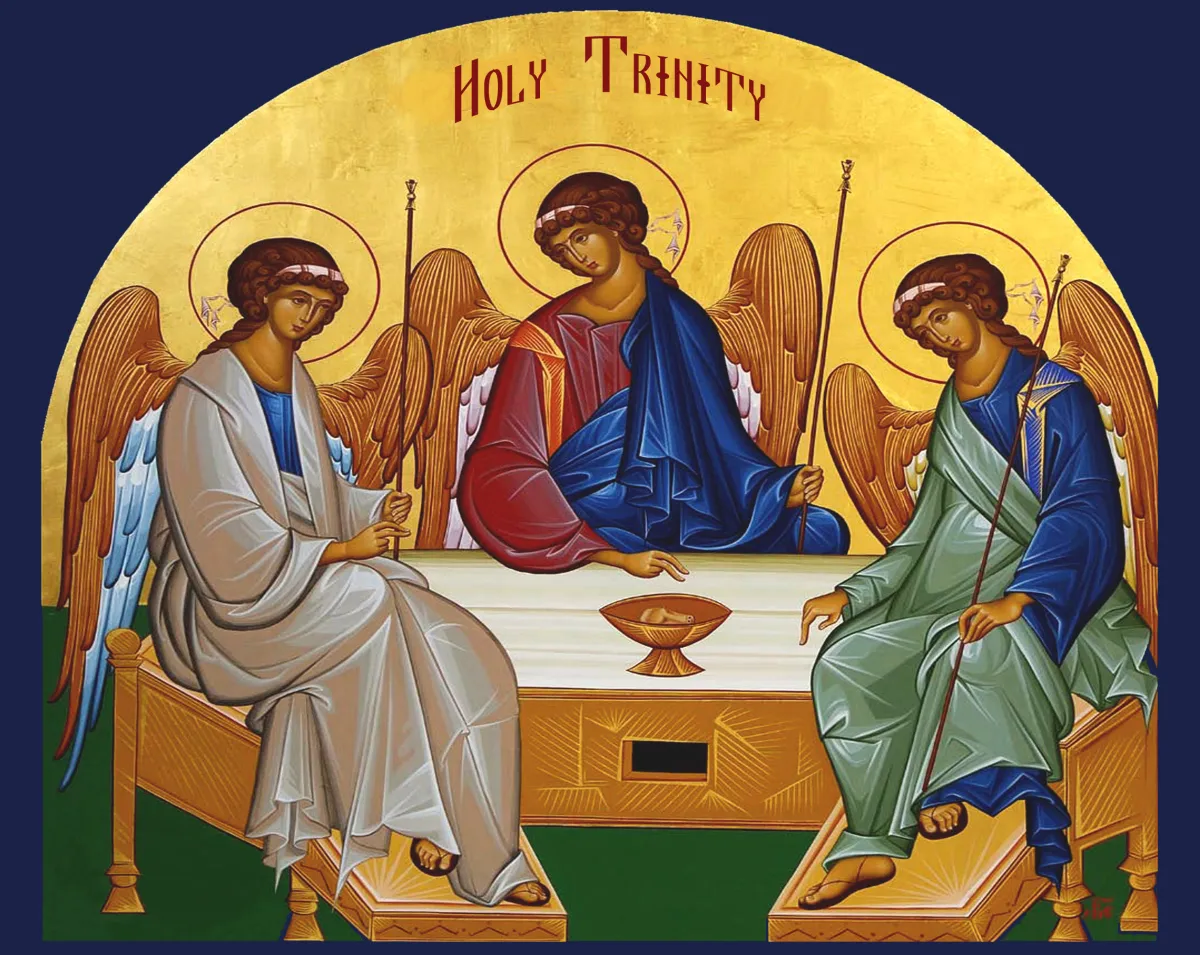 Photo: Holy Trinity, via www.jesuit.org.sg
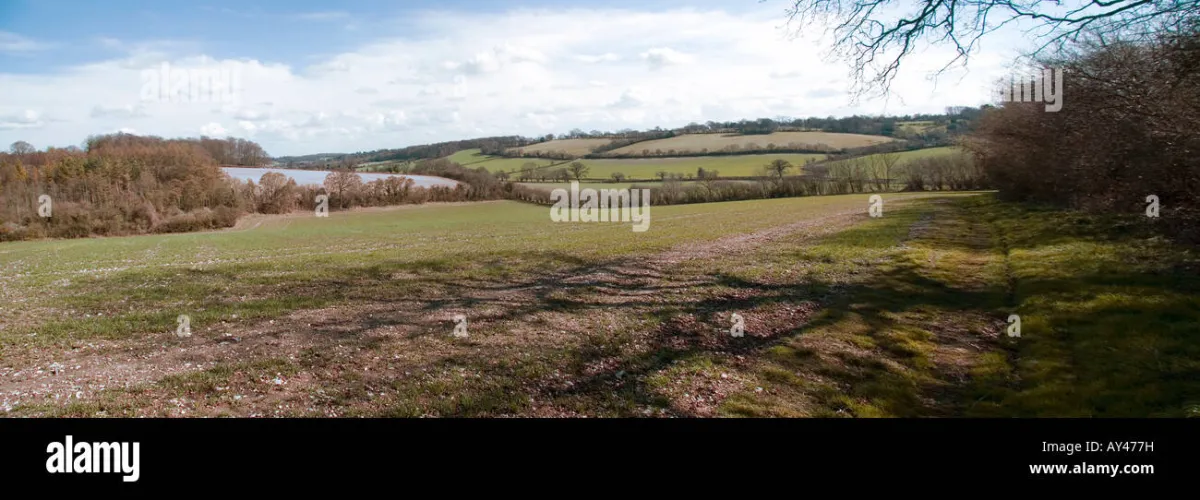 Photo: Chiltern Hills, via c8.alamy.com
"We had one young man who spent three months questioning whether he even believed in God," recalls Mitchell. "Rather than discouraging this, we saw it as essential preparation. Faith that hasn't been tested isn't really faith at all."
The Power of Peer Support
What emerges clearly from conversations with recently confirmed young people is the importance of community in their spiritual journey. Unlike previous generations who might have experienced confirmation as an individual milestone, today's candidates emphasise the collective nature of their exploration.
"We became like a family," says James Hartwell, confirmed last Easter at St Peter's. "When one person was struggling with doubt, the rest of us would share our own questions. It made faith feel less lonely, more real."
This peer support extends well beyond confirmation itself. Many churches have established ongoing youth groups specifically for confirmed members, recognising that the spiritual journey intensifies rather than concludes with the bishop's blessing.
Addressing Modern Challenges
Today's confirmation programmes don't shy away from contemporary issues that previous generations might have considered inappropriate for church discussion. Mental health, social media, environmental concerns, and social justice feature prominently in preparation sessions.
"These young people are dealing with pressures we couldn't have imagined twenty years ago," notes youth worker Mark Stevens from All Saints. "Our confirmation programme has to address how faith speaks to anxiety, to climate change, to the loneliness that social media can create. Otherwise, we're preparing them for a faith that doesn't connect with their actual lives."
This practical approach appears to be working. While national statistics show declining youth participation in organised religion, several Chinnor churches report steady or even increasing numbers of young people choosing confirmation.
The Role of Mentorship
A crucial element in this renewed approach to confirmation is the emphasis on mentorship. Each candidate is paired with an adult member of the congregation—not necessarily someone in formal church leadership—who commits to walking alongside them throughout the preparation process and beyond.
"My mentor wasn't trying to convince me of anything," reflects Lucy Chen, confirmed last autumn. "She just listened to my questions and shared her own journey. Sometimes the most helpful thing she said was 'I don't know either, but here's how I live with that uncertainty.'"
These mentoring relationships often continue for years after confirmation, providing ongoing spiritual guidance as young people navigate university, career choices, and the complex transition to independent adult faith.
Looking to the Future
Perhaps most encouragingly, many of these newly confirmed young people are already taking on leadership roles within their church communities. They're leading children's groups, participating in worship planning, and bringing fresh perspectives to church councils.
"I used to think faith was something you inherited from your parents," concludes Emma Richardson. "Now I understand it's something you choose, every day. Confirmation wasn't the end of my questions—it was permission to keep asking them."
This sentiment captures the essence of what Chinnor's churches are discovering about youth ministry in the twenty-first century. By creating space for genuine questioning, providing authentic community, and addressing real-world concerns, they're nurturing a generation of young people who see faith not as an obligation but as a living, breathing relationship with the divine.
As these young voices reshape what it means to be confirmed in the Chilterns, they're also reshaping what it means to be church—proving that the future of faith lies not in preserving traditions unchanged, but in allowing those traditions to evolve through the honest seeking of each new generation.