From Sunday Service to Parish Service: How Faith Inspires Civic Leadership Across the Chilterns

The Call Beyond the Sanctuary
Across the rolling hills of the Chilterns, something remarkable is happening within the pews of Chinnor's churches. Members of local congregations are increasingly viewing their faith not as a private matter confined to Sunday mornings, but as a transformative force that compels them toward active participation in village life and local governance.
This shift represents more than simple civic engagement; it embodies a theological understanding that Christian discipleship extends into every sphere of human activity, including the often unglamorous world of parish councils, planning committees, and local democracy.
Biblical Foundations of Public Service
The roots of this movement run deep in Christian tradition. Scripture consistently calls believers to be "salt and light" in their communities, with passages from Romans 13 emphasising the divine nature of governing authorities and the Christian's responsibility to participate constructively in civic life.
"We've been studying Jeremiah 29:7 in our house group," explains Margaret Thompson, a long-standing member of St Andrew's who recently joined Chinnor Parish Council. "'Seek the peace and prosperity of the city to which I have carried you into exile. Pray to the Lord for it, because if it prospers, you too will prosper.' It's become clear that our faith doesn't exempt us from local responsibility—it demands it."
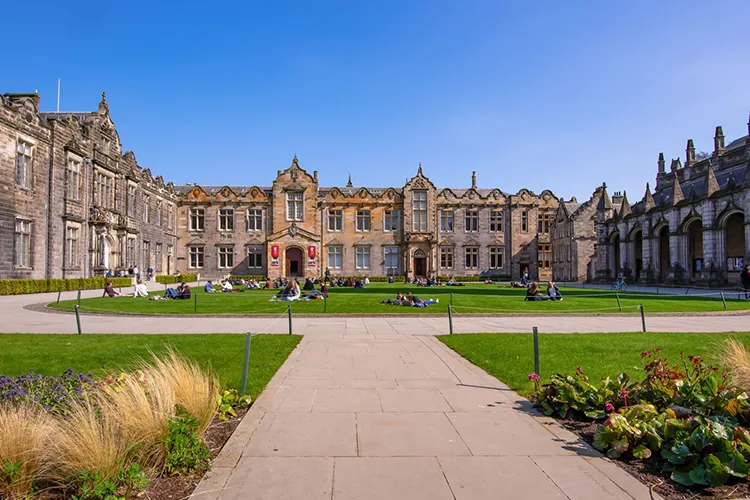 Photo: St Andrew's, via news.st-andrews.ac.uk
This theological foundation has inspired a generation of church members to view local politics not as a secular distraction from spiritual matters, but as a vital expression of Christian love in action.
From Pews to Planning Committees
The practical manifestation of this calling can be seen throughout Chinnor's civic landscape. Parish councils, school governing bodies, and local charities increasingly feature members whose motivation stems directly from their faith communities.
David Richards, who serves as both a churchwarden at St Mary's and vice-chair of the local planning committee, reflects on this intersection: "My involvement in church leadership taught me about listening, about considering the needs of the entire community, not just those who share my views. These skills translate directly into local government."
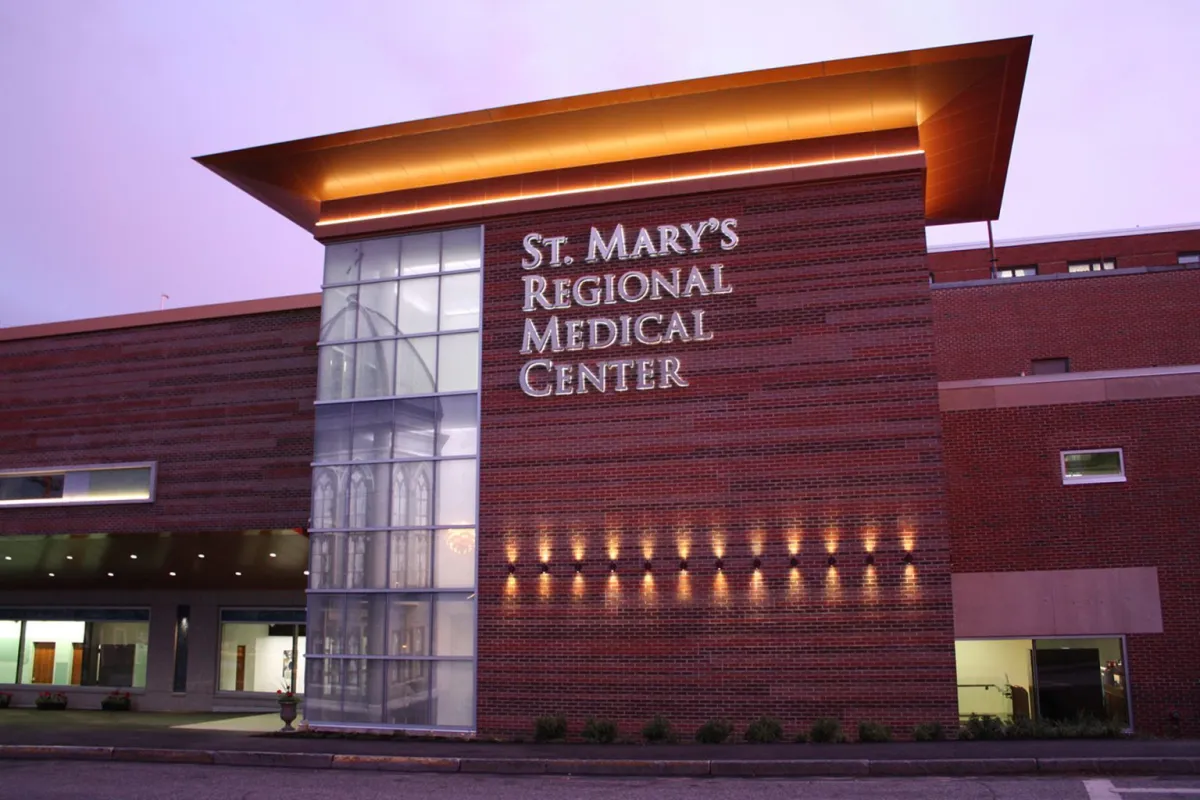 Photo: St Mary's, via stmarysmaine.com
The impact extends beyond individual participation. Churches are increasingly organising civic engagement workshops, hosting hustings for local elections, and providing non-partisan information about local issues affecting their communities.
Bridging Sacred and Secular
This movement challenges the artificial separation between religious faith and public life that has characterised much of modern British society. Rather than retreating into religious insularity, Chinnor's churches are embracing their role as training grounds for civic virtue.
Reverend Sarah Mitchell from the Methodist Church observes: "We're seeing people who have learned servant leadership through church ministry applying those same principles to village governance. The skills are remarkably transferable—listening to diverse viewpoints, building consensus, making decisions that serve the common good."
The influence flows both ways. Church members involved in local government report that their civic experiences have deepened their understanding of biblical justice and community care.
Challenges and Opportunities
This integration of faith and civic responsibility is not without its challenges. Some church members worry about the potential for political divisions to affect congregational unity, whilst others question whether religious motivations have a place in secular governance.
However, those involved emphasise that their faith-inspired civic engagement focuses on principles rather than partisan politics. "It's not about pushing a religious agenda," clarifies John Watson, a Baptist church member who serves on the village youth committee. "It's about bringing Christian values of compassion, integrity, and service into public life."
A Model for Rural Communities
The Chinnor example offers a compelling model for rural communities throughout the UK struggling with civic engagement and local leadership shortages. By viewing civic participation as a natural extension of Christian discipleship, churches are addressing both spiritual formation and community need.
Local councils report increased quality of applications for voluntary positions, whilst churches note that members involved in civic life often demonstrate enhanced leadership skills within congregational settings.
Building Sustainable Engagement
Sustaining this movement requires intentional effort from church leadership. Many congregations now include civic responsibility in their discipleship programmes, viewing local government service as a legitimate form of Christian ministry.
"We pray regularly for our local councillors and encourage our members to see civic engagement as part of their Christian calling," explains Reverend James Foster from the United Reformed Church. "It's about being good neighbours in the fullest sense."
Looking Forward
As Chinnor's churches continue to nurture this culture of civic engagement, the broader implications become clear. Faith communities are uniquely positioned to develop the character qualities essential for effective democratic participation: humility, service orientation, long-term thinking, and concern for the vulnerable.
This quiet revolution—from pews to polling stations, from Sunday service to parish service—demonstrates that authentic Christian faith inevitably leads believers into deeper engagement with their communities. In an era of declining civic participation and increasing political cynicism, Chinnor's churches are modelling a hopeful alternative: faith that transforms not just individual hearts, but entire communities through the dedicated service of citizens inspired by divine love.