In the Silence Between Words: Ancient Prayer Practices Finding New Life in Modern Chinnor
The Ancient Path in Modern Times
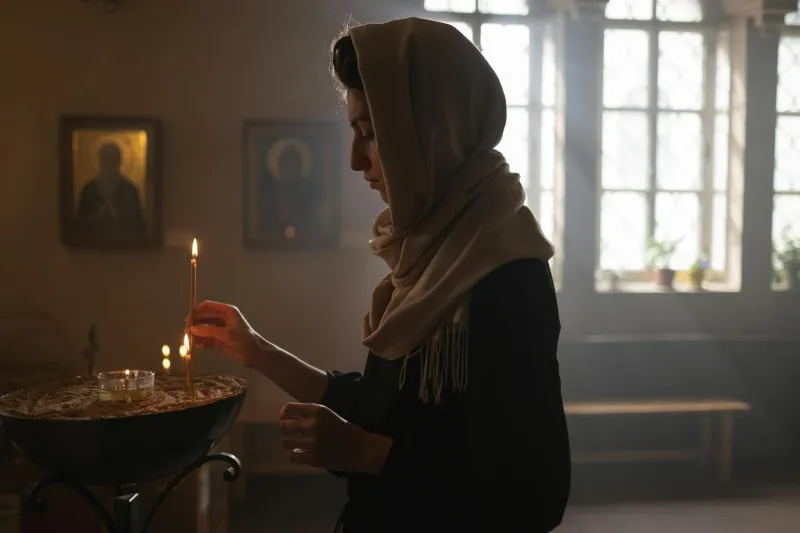
In a corner of St Andrew's Church, every Tuesday evening, a small group gathers in near silence. No mobile phones buzz, no urgent conversations fill the space—only the gentle rustle of turning pages and the occasional creak of old wooden chairs. This is lectio divina, the ancient practice of "divine reading," and it represents a growing movement across Chinnor's churches toward contemplative prayer traditions that stretch back centuries.
 Photo: St Andrew's Church, via www.europeanheritageawards.eu
As modern life accelerates and digital distractions multiply, an increasing number of local Christians are discovering that the path to deeper spiritual intimacy often requires stepping backwards into practices perfected by monks and mystics long before the invention of the printing press, let alone social media.
Rediscovering Sacred Reading
Lectio divina, perhaps the most accessible of these ancient practices, involves a slow, meditative approach to Scripture reading that prioritises listening for God's voice over analytical study. The practice unfolds in four movements: lectio (reading), meditatio (meditation), oratio (prayer), and contemplatio (contemplation).
"I've been a Christian for thirty years, but I'd never truly listened to Scripture until I discovered lectio," shares Patricia Williams, who leads the Tuesday evening group at St Andrew's. "We're so accustomed to reading for information, for answers, for arguments. This teaches us to read for transformation."
The practice requires participants to read brief passages multiple times, allowing words or phrases to resonate naturally, then sitting in silence to hear what God might be speaking through the text. It's a radical departure from the hurried Bible reading that characterises much modern Christian devotion.
The Ignatian Influence
Another tradition gaining traction among Chinnor's contemplatives is Ignatian spirituality, based on the Spiritual Exercises of St Ignatius of Loyola. The daily Examen, a reflective prayer examining God's presence throughout the day, has found particular favour among busy parishioners seeking to integrate prayer into hectic schedules.
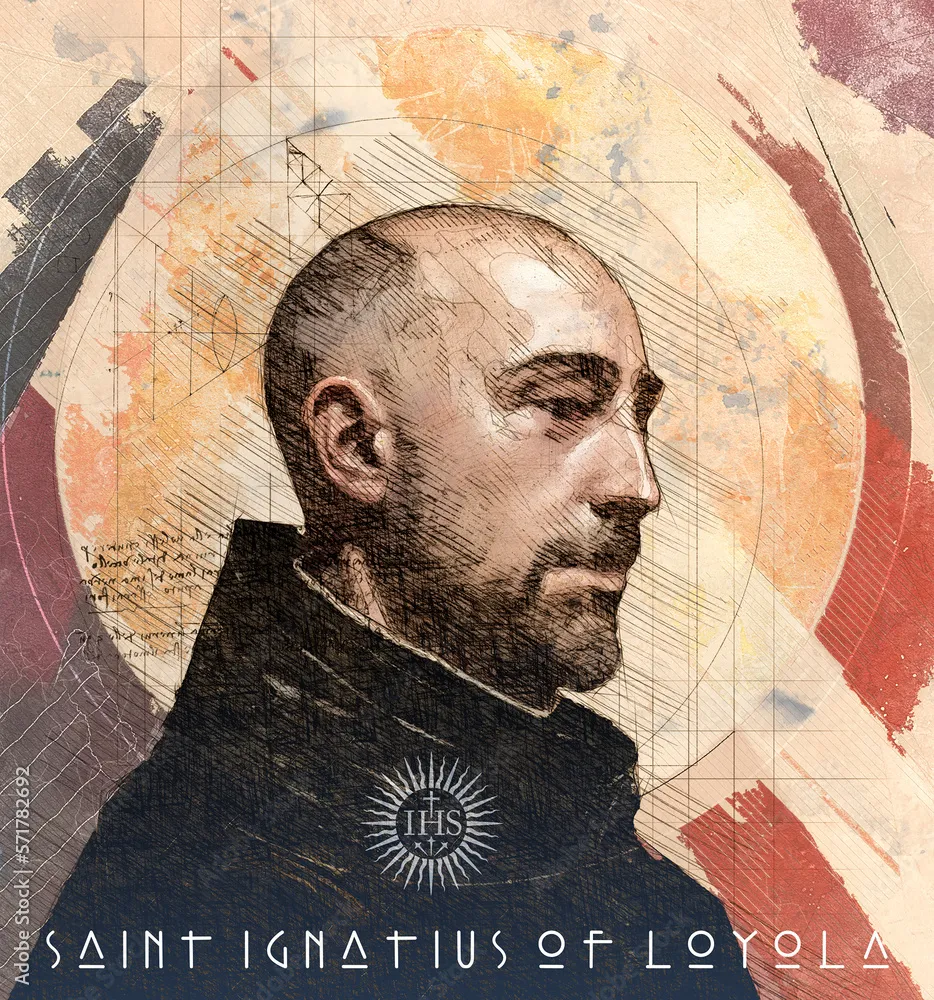 Photo: St Ignatius of Loyola, via as1.ftcdn.net
Mark Henderson, a father of three and member of the Methodist Church, describes his evening Examen routine: "I spend ten minutes before bed reviewing the day—where did I sense God's presence? Where did I resist it? It's transformed how I understand prayer. Instead of just asking for things, I'm learning to notice God's constant activity in ordinary moments."
The practice encourages believers to identify consolations (movements toward God) and desolations (movements away from God) in daily experience, developing spiritual sensitivity that extends far beyond formal prayer times.
Contemplative Community
What makes Chinnor's embrace of contemplative practices particularly noteworthy is its communal dimension. Rather than pursuing these disciplines in isolation, local churches are creating supportive communities where practitioners can share insights and encourage one another's spiritual development.
The ecumenical Contemplative Prayer Group, meeting monthly at the United Reformed Church, draws participants from across denominational lines. "There's something powerful about sitting in silence together," observes group facilitator Reverend Sarah Collins. "Individual contemplation is valuable, but communal contemplation creates a different quality of presence—both to God and to one another."
Beyond Technique to Transformation
These ancient practices resist the modern tendency to reduce spirituality to technique or methodology. Participants consistently emphasise that the goal is not mastery of a prayer method, but openness to divine transformation.
"Initially, I approached lectio divina like I approach everything else—wanting to get it right, to achieve some kind of spiritual success," admits Robert Clarke, a retired teacher and Baptist church member. "But the practice itself teaches you to let go of that need to control. You learn to receive rather than achieve."
This shift from active pursuit to receptive waiting challenges contemporary assumptions about productivity and progress, offering an alternative rhythm more aligned with the natural cycles of spiritual growth.
Practical Mysticism
Contrary to popular misconceptions, these contemplative traditions don't encourage escape from daily responsibilities but rather deeper engagement with ordinary life. Practitioners report increased mindfulness, greater emotional stability, and enhanced capacity for presence in relationships and work.
Jennifer Adams, who discovered Centering Prayer through the Anglican tradition, explains: "Twenty minutes of silent prayer each morning doesn't remove me from the world—it helps me engage the world from a different centre. I'm less reactive, more compassionate, more aware of God's presence in unexpected places."
Centering Prayer, with its simple method of releasing thoughts through repetition of a sacred word, has attracted those seeking contemplative practice without complex instructions or extensive theological background.
Challenges and Misconceptions
The growing interest in contemplative practices hasn't been without challenges. Some church members worry that emphasis on silence and mystical experience might diminish commitment to Scripture study or evangelical witness. Others struggle with practices that seem foreign to their particular denominational tradition.
Reverend Michael Thompson from St Mary's addresses these concerns: "Contemplative prayer doesn't replace other forms of spiritual discipline—it complements them. Many of our most effective evangelists and Bible teachers are also committed contemplatives. There's no contradiction between deep prayer and active faith."
Resources and Guidance
Recognising the need for proper instruction in these ancient arts, Chinnor's churches have invested in training and resources. Several clergy have completed courses in spiritual direction, whilst the libraries of local churches now include classics of contemplative literature alongside contemporary guides.
Monthly workshops introduce newcomers to various practices, whilst experienced practitioners offer mentoring relationships. The approach emphasises patience and gradual development rather than immediate results.
A Counter-Cultural Witness
In a culture obsessed with speed, efficiency, and measurable outcomes, the contemplative revival in Chinnor represents a profound counter-cultural witness. These practices insist that the most important human activities—love, prayer, spiritual growth—cannot be rushed or manipulated.
"We live in a world of constant noise," reflects Margaret Foster, who leads a weekly Taizé-style prayer service. "Contemplative practices teach us that God often speaks in silence, that spiritual maturity involves learning to be still and listen."
As these ancient streams flow into modern Chinnor, they're creating something both timeless and urgently contemporary: communities of believers committed to depth over speed, presence over productivity, and the patient cultivation of souls capable of recognising the sacred in the midst of the ordinary.