Seeds of Faith: The Sacred Art of Cultivating God's Garden in Chilterns Churchyards
The Garden as Cathedral
In the rolling hills of the Chilterns, something remarkable is taking root. Where once only gravestones dotted the landscape of church grounds, vibrant community gardens now flourish, their neat rows of vegetables and herbs creating living testimony to the enduring connection between faith and the fertile earth.
The movement began quietly, almost organically, as individual congregations across Chinnor and the surrounding villages recognised that their unused land could serve a greater purpose. What started as practical solutions to food poverty and community engagement has evolved into something far more profound—spaces where the ancient Christian themes of death, resurrection, and new life play out in the daily rhythm of sowing, tending, and harvesting.
"There's something deeply biblical about working the soil," explains Margaret Thornley, who coordinates the garden project at St Andrew's Church. "From Genesis through to the parables of Jesus, the earth and its fruits are woven into our understanding of God's relationship with humanity. When we plant seeds together, we're participating in that same creative act."
Cultivating More Than Crops
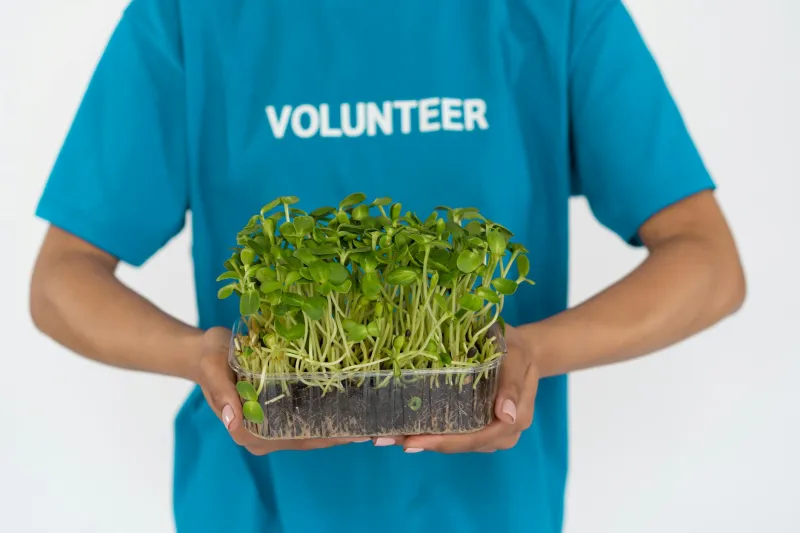
The gardens have become unexpected bridges between the church and the broader community. Families who rarely darken the door of the sanctuary find themselves drawn to Saturday morning planting sessions, where conversations about crop rotation naturally evolve into deeper discussions about life, loss, and hope.
John Weatherby, a retired teacher from Chinnor, never considered himself particularly religious until he volunteered to help establish raised beds behind the Methodist chapel. "I came for the gardening," he admits with a chuckle, "but I've stayed for something I can't quite put my finger on. There's a peace here, working alongside others, watching things grow. It's become a form of prayer I never knew I needed."
This sentiment echoes across multiple church gardens throughout the Chilterns. Clergy report that some of their most meaningful pastoral conversations now happen not in formal counselling sessions, but whilst weeding beetroot or harvesting courgettes. The shared physical labour creates an intimacy that traditional church structures sometimes struggle to achieve.
Stewardship in Practice
The theological implications of these gardens extend far beyond their practical benefits. For many congregations, tending the earth has become a tangible expression of Christian stewardship—a hands-on response to the environmental challenges facing our world.
Reverend Sarah Mitchell, whose parish encompasses three villages in the Chilterns, sees the gardens as crucial to her congregation's understanding of their faith in the 21st century. "Climate change, food security, mental health—these aren't separate issues from our spiritual life. They're central to how we live out the Gospel in our time. When we compost kitchen scraps or share surplus tomatoes with food bank clients, we're practising resurrection theology."
The gardens have also sparked conversations about food justice and community resilience. Several churches now donate a portion of their harvest to local food banks, whilst others run cooking sessions using garden produce, teaching families how to prepare nutritious meals on tight budgets.
Seasons of the Soul
Perhaps most powerfully, the gardens have created new rhythms for spiritual reflection that align with the natural world. Congregations speak of how the seasons of planting, growth, harvest, and winter rest mirror the cycles of spiritual life—times of hope, flourishing, gratitude, and contemplative waiting.
"In our consumer culture, we've lost touch with natural rhythms," observes Father David Pearson, whose Anglo-Catholic parish has transformed a corner of their churchyard into a meditation garden complete with herb spirals and prayer benches. "The garden teaches us patience, reminds us that growth takes time, that there are seasons for everything. These are profoundly spiritual lessons."
The gardens have become spaces for informal worship too. Several churches now hold outdoor services during the growing season, with communion celebrated amongst the runner beans and morning prayers offered as the sun rises over the lettuce beds.
Growing Community, Growing Faith
The success of these initiatives has surprised even their most enthusiastic advocates. What began as small-scale local projects has evolved into a network of church gardens across the Chilterns, with congregations sharing seeds, expertise, and inspiration.
Children's groups have embraced the gardens enthusiastically, with Sunday school lessons now incorporating everything from the parable of the sower to the science of photosynthesis. Youth groups have found new purpose in maintaining the gardens, whilst elderly congregation members pass on traditional growing wisdom to younger generations.
"The garden has given us a common language," reflects Tom Harrison, a churchwarden whose congregation includes everyone from organic farming enthusiasts to complete gardening novices. "Whether you're eight or eighty, whether you've been coming to church for decades or this is your first time, everyone can plant a seed. Everyone can water a plant. Everyone can share in the harvest."
Seeds for the Future
As these church gardens continue to flourish, they're planting seeds for the future of faith communities in rural Britain. They demonstrate how churches can remain relevant and vital by addressing contemporary concerns through ancient wisdom, how sacred spaces can expand beyond traditional boundaries, and how the act of cultivation—of plants and relationships alike—remains at the heart of the Christian calling.
In an age when many question the relevance of organised religion, these gardens offer a different kind of evangelism: one that speaks through actions rather than words, through shared labour rather than formal doctrine, through the simple miracle of growth in consecrated ground. They remind us that faith, like gardening, is ultimately about tending something larger than ourselves and trusting in the promise of new life.