Sacred Stones and Timeless Tales: Uncovering the Architectural Soul of Chinnor's Houses of Worship
A Testament in Stone and Spirit
When morning light filters through the ancient windows of Chinnor's churches, it illuminates more than sacred spaces—it reveals centuries of devotion carved in stone, shaped by skilled hands, and blessed by countless generations of faithful worshippers. These hallowed buildings stand as remarkable chronicles of our community's spiritual journey, each architectural element bearing witness to the enduring faith that has anchored our Chilterns village through triumph and trial alike.
The churches of Chinnor represent a magnificent tapestry of architectural periods, from the robust Norman foundations that speak of medieval determination to the soaring Victorian additions that reflect an age of industrial confidence and spiritual revival. Yet beyond their historical significance, these structures embody something far more profound—the collective aspirations of a community united in worship across the centuries.
Norman Foundations: Where Faith First Took Root
At the heart of our oldest church lies evidence of Norman craftsmanship that would have been familiar to pilgrims of the 12th century. The thick stone walls, built to withstand both earthly storms and the passage of time, demonstrate the unwavering commitment of our earliest Christian ancestors. These Norman builders understood that their work was not merely construction—it was an act of worship in itself.
The distinctive rounded arches characteristic of Norman architecture can still be traced in doorways and windows, their simple yet powerful forms speaking to an era when faith was expressed through strength and permanence. Local legends suggest that stones from nearby quarries were blessed by travelling monks before being set in place, a tradition that connected the very foundations of our churches to the sacred landscape of the Chilterns.
Medieval Mastery: The Art of Sacred Craftsmanship
As we move through the centuries, the evolution of Chinnor's church architecture tells the story of changing worship practices and growing prosperity. The transition from Norman to Early English Gothic reveals a community gaining confidence, reaching skyward with pointed arches that draw the eye—and the spirit—heavenward.
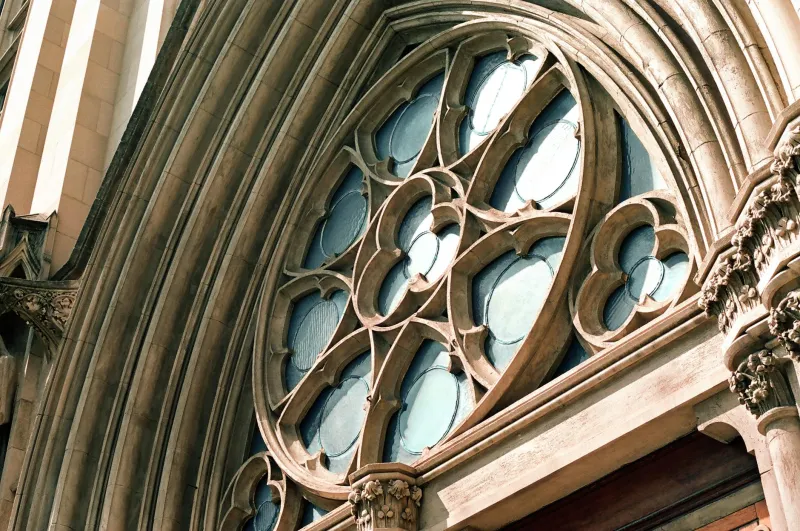
The stonework from this period showcases the extraordinary skill of medieval masons, many of whom travelled from village to village, sharing techniques and artistic traditions. These craftsmen left their mark not only in the grand structural elements but in countless small details: the delicate tracery of windows, the carved capitals of columns, and the weathered gargoyles that have watched over our community for generations.
Local church records, carefully preserved in parish archives, reveal fascinating insights into the construction process. Villagers contributed not only funds but labour, with entire families dedicating weeks to quarrying stone, mixing mortar, and hauling materials. This communal effort created bonds that strengthened both the physical structure and the spiritual community it housed.
Victorian Vision: Restoration and Renewal
The Victorian era brought dramatic changes to Chinnor's ecclesiastical landscape, as the Gothic Revival movement inspired comprehensive restorations and ambitious additions. Victorian architects and craftsmen approached these projects with reverence for the past whilst embracing new technologies and materials that allowed for unprecedented artistic expression.
The stunning stained glass windows installed during this period transform our worship spaces into kaleidoscopes of sacred light. Each window tells its own story—biblical narratives rendered in jewel-toned glass, memorial dedications to beloved community members, and symbolic representations of Christian virtues. The Victorian glaziers who created these masterpieces understood that their work would inspire worship for generations to come.
The ornate wooden furnishings—elaborately carved pulpits, intricate choir stalls, and polished pews—reflect the Victorian commitment to beauty in worship. Local craftsmen worked alongside specialists from London workshops, creating harmonious interiors that balanced grandeur with intimacy, ensuring that every member of the congregation could feel both humbled and welcomed.
Hidden Treasures: Discovering the Details
Beyond the major architectural elements lie countless smaller treasures waiting to be discovered by observant visitors. Ancient mason's marks, carved into stones by medieval builders, serve as signatures of long-forgotten craftsmen. These simple symbols—crosses, initials, and geometric patterns—connect us directly to the hands that shaped our sacred spaces.
The worn stone steps leading to pulpits and altars bear the impressions of countless footsteps, whilst brass memorial plaques chronicle the lives of parishioners from centuries past. Even the weathered headstones in surrounding churchyards contribute to the architectural story, their evolving styles reflecting changing attitudes towards death, remembrance, and eternal hope.
Living Heritage in Modern Times
Today, Chinnor's churches continue to evolve whilst honouring their architectural heritage. Recent conservation efforts have employed modern techniques to preserve ancient stonework, ensuring that future generations will inherit these treasures intact. Local volunteers work alongside professional conservators, learning traditional skills whilst contributing to the ongoing stewardship of our built heritage.
The careful balance between preservation and adaptation reflects our community's understanding that these buildings must remain living spaces of worship rather than mere historical monuments. Sensitive additions of modern facilities—accessible entrances, improved lighting, and updated heating systems—demonstrate how architectural heritage can embrace contemporary needs whilst maintaining its essential character.
A Legacy Written in Stone
As we gather for worship in these remarkable buildings, we become part of an unbroken chain of faith stretching back through centuries. The stones that shelter us, the windows that inspire us, and the craftsmanship that surrounds us all bear witness to the enduring power of community devotion and artistic expression in service of the divine.
The architectural heritage of Chinnor's churches reminds us that faith finds expression not only in prayer and song but in the very spaces we create for worship. Each carefully carved stone, each lovingly crafted window, each thoughtfully designed space speaks to the human desire to create beauty worthy of our deepest spiritual aspirations.
In preserving and cherishing these architectural treasures, we honour both the craftsmen who created them and the faithful communities who have sustained them. We ensure that future generations of worshippers in the Chilterns will continue to find inspiration in these sacred stones and timeless tales.