Rising to the Call: How Ordinary Members Are Stepping Into Extraordinary Leadership Across Chinnor's Churches
A Necessary Evolution
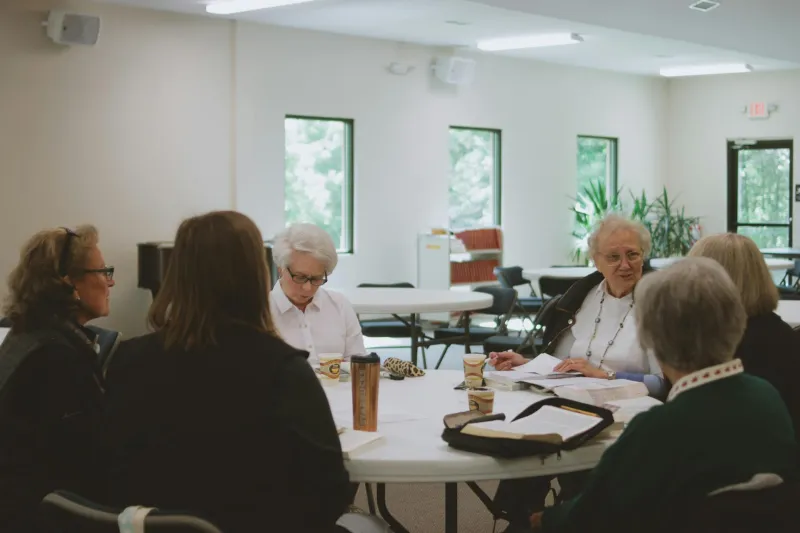
The statistics paint a stark picture: clergy numbers across the Church of England have fallen by nearly 20% over the past decade, whilst Methodist and Baptist churches face similar challenges. Yet in Chinnor, this apparent crisis has sparked an unexpected renaissance of lay leadership that is breathing new life into local congregations.
David Harrison, a retired teacher who recently completed his training as a Licensed Lay Minister at St Andrew's, reflects on this transition: "Twenty years ago, the idea of me leading worship or providing pastoral care would have seemed impossible. But necessity has a way of revealing gifts we never knew we possessed."
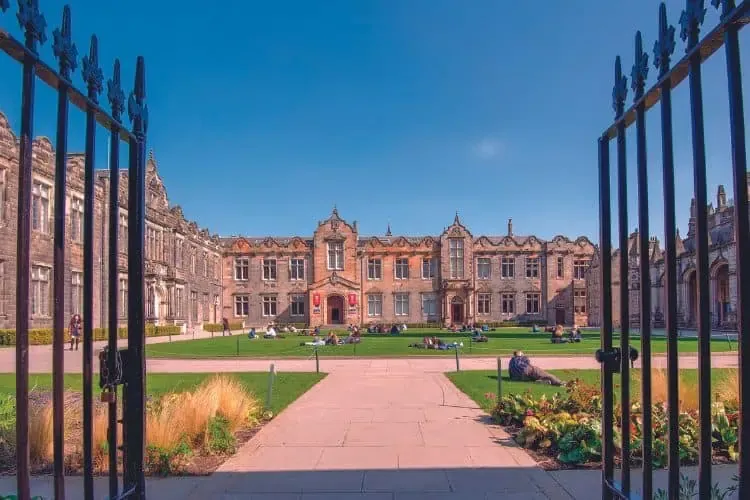 Photo: St Andrew's, via academicful.com
Redefining Ministry
The traditional model of church leadership—centred around ordained clergy—is giving way to a more distributed approach that recognises ministry as the calling of all believers. This shift isn't merely pragmatic; it represents a return to early Christian principles where leadership emerged from within communities rather than being imposed from above.
At Chinnor Methodist Church, the congregation has embraced what they term "shared ministry," with different members taking responsibility for worship leading, pastoral care, youth work, and community outreach. The results have been remarkable: attendance has stabilised, engagement has increased, and the church feels more connected to its local community.
 Photo: Chinnor Methodist Church, via ohct.org.uk
The Learning Curve
The transition hasn't been without challenges. Many lay leaders speak of initial anxiety about stepping into roles previously reserved for trained clergy. The fear of "getting it wrong" or lacking theological expertise has required careful nurturing and support.
Reverend James Parker, who has served as mentor to several emerging lay leaders, acknowledges these concerns: "There's often an assumption that you need years of theological training to serve effectively in church leadership. Whilst education is valuable, what we're discovering is that authenticity, compassion, and a willingness to learn often matter more than formal qualifications."
Training and Support
Recognising the need for proper preparation, Chinnor's churches have developed innovative training programmes that combine theological education with practical skills development. The ecumenical "Leadership Academy" launched last year offers modules in worship leading, pastoral care, and biblical interpretation, delivered by local clergy and experienced lay leaders.
Sarah Coleman, who completed the programme before taking on youth ministry responsibilities at the Baptist church, found the experience transformative: "I expected to learn about leading activities and managing behaviour. What I discovered was a deeper understanding of my own faith and calling. The children have taught me as much as I've taught them."
Unexpected Gifts
One of the most striking aspects of this leadership evolution has been the emergence of gifts and talents that might have remained hidden under traditional structures. A former accountant has brought fresh perspective to church finances and stewardship. A retired nurse has developed a remarkable ministry to the elderly. A young mother has revolutionised children's work through her background in early years education.
Pastoral Innovation
Perhaps nowhere is this transformation more evident than in pastoral care. Whilst ordained ministers often struggle with time constraints and multiple demands, lay pastoral visitors can offer sustained, personalised support to those in need.
Mary Roberts, who coordinates the pastoral team at St Andrew's, explains: "We're not trying to replace professional counselling or spiritual direction, but we can offer something equally valuable—the presence of someone who shares your faith journey and understands your struggles. Sometimes that's exactly what people need."
The Role of Ordained Ministry
This shift towards lay leadership doesn't diminish the importance of ordained clergy; rather, it redefines their role from sole providers of ministry to equipers and enablers of others. Many local ministers speak enthusiastically about this change, describing it as both liberating and energising.
"My role has evolved from doing everything myself to helping others discover and develop their own ministries," explains Reverend Mitchell from the Methodist church. "It's far more sustainable and, I believe, far more faithful to the New Testament vision of the church as a body with many parts."
Challenges and Concerns
Not everyone embraces these changes with equal enthusiasm. Some congregation members worry about maintaining theological orthodoxy without formal clerical oversight. Others question whether lay leaders can provide adequate pastoral care in crisis situations. These concerns require careful attention and ongoing dialogue.
Looking Ahead
As Chinnor's churches continue to navigate this transition, several principles have emerged as crucial for success: comprehensive training programmes, ongoing mentorship, clear boundaries and expectations, and strong support networks among lay leaders themselves.
A Model for Others
The experience of Chinnor's churches offers hope for congregations across the Chilterns and beyond. Rather than viewing clergy shortage as an insurmountable crisis, it can be seen as an opportunity to rediscover the biblical principle of shared ministry and to recognise the extraordinary calling of ordinary believers.
As David Harrison concludes: "We've learned that the church doesn't depend on having the 'right' person in charge—it depends on having the right heart for service. And that's something any believer can offer."
The future of church leadership in Chinnor may look different from the past, but it appears to be in capable hands—many capable hands, working together in faithful service.