Crossing the Threshold: A Newcomer's Guide to Finding Your Place in Chinnor's Faith Community

The Sunday Morning Decision
Standing at the entrance to St Andrew's on a crisp October morning, clutching a slightly crumpled service sheet, I felt the familiar flutter of nerves that accompanies any first-time experience. As someone who had recently relocated to the Chilterns for work, I was seeking more than just a place of worship—I was hoping to find community, purpose, and perhaps answers to questions I hadn't yet learned to articulate.
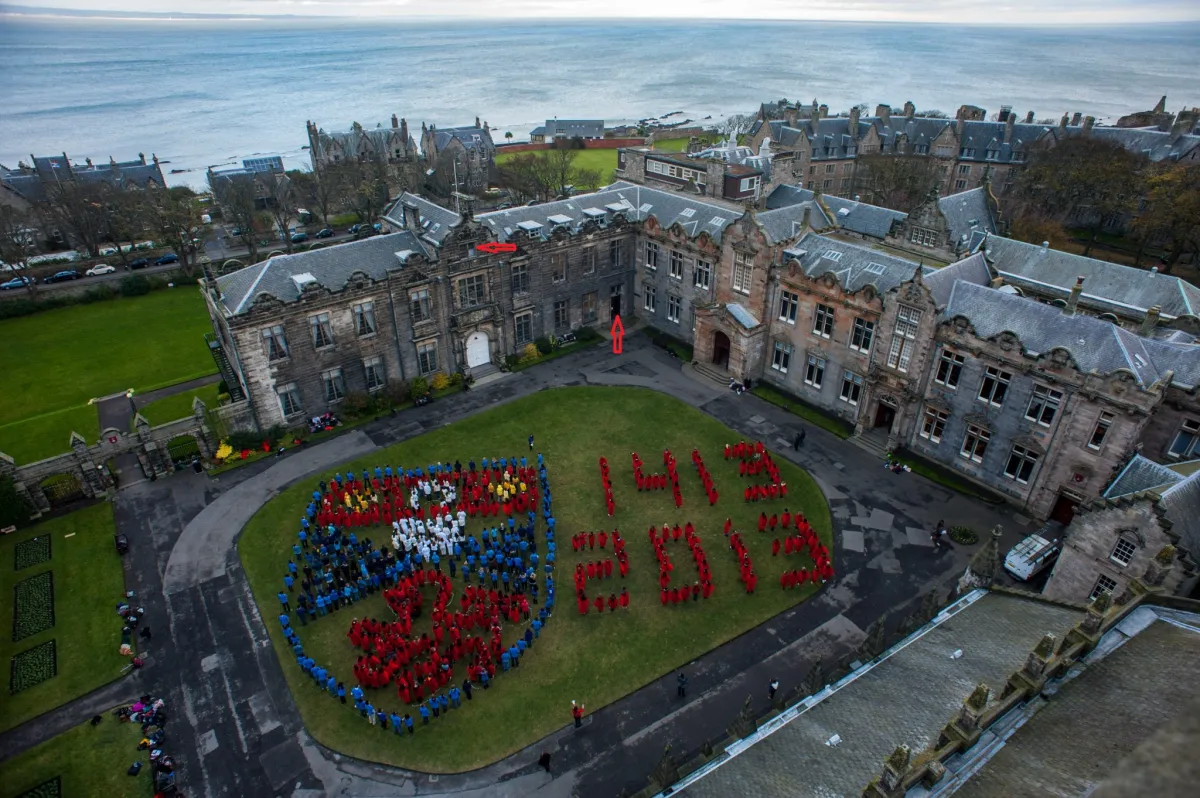 Photo: St Andrew's, via smapse.com
This experience, shared by countless newcomers to Chinnor's various congregations, reveals both the vulnerability and hope that characterise those crossing church thresholds for the first time in years—or perhaps ever.
The Welcome That Matters
"I'll never forget my first Sunday at Chinnor Methodist," reflects James Morrison, who moved to the area eighteen months ago following retirement. "It wasn't the formal greeting at the door that made the difference—though that was lovely—it was the lady who noticed I looked lost during the hymns and quietly shared her hymnal without making a fuss."
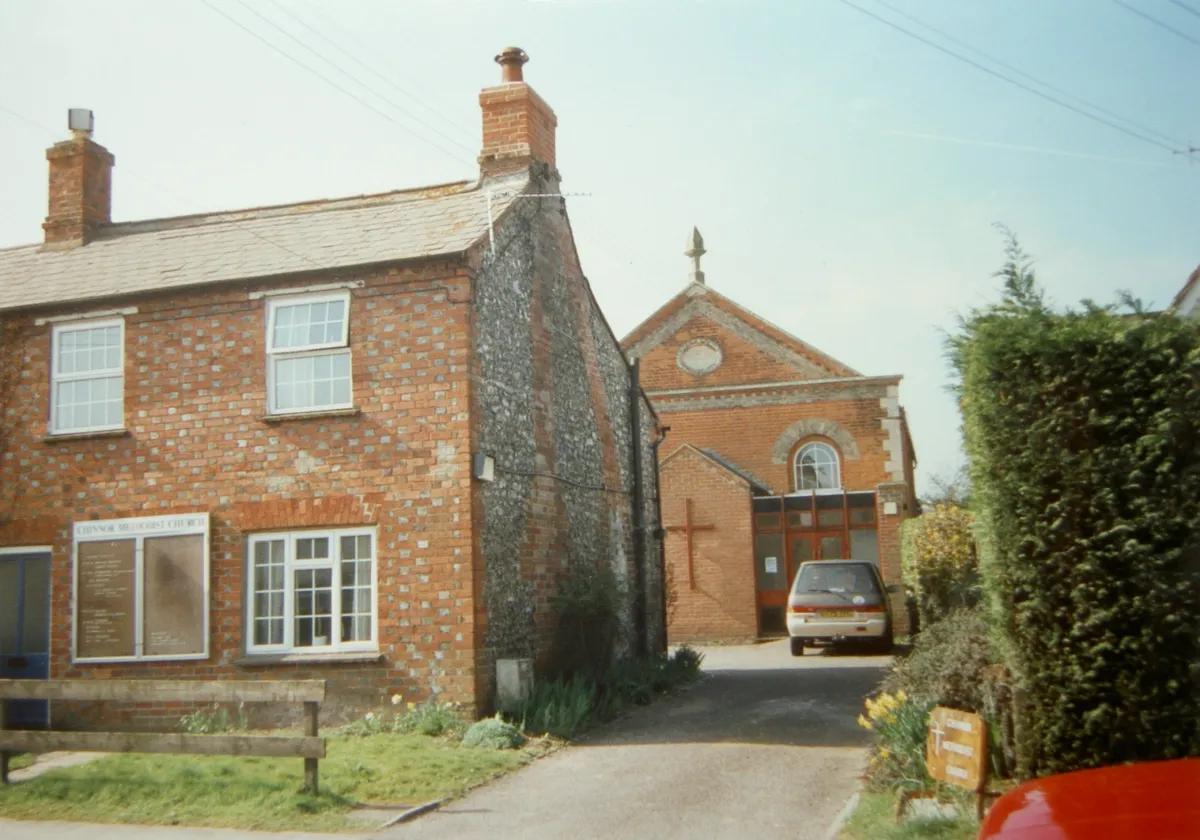 Photo: Chinnor Methodist, via d35wuyehavsdko.cloudfront.net
This distinction between perfunctory welcome and genuine hospitality emerges repeatedly in conversations with recent arrivals across Chinnor's church communities. The gestures that matter most are often the smallest: the invitation to join others for coffee, the explanation of local traditions without condescension, the simple acknowledgment that finding one's place in an established community takes time.
"We've learned that welcome isn't a one-off event but an ongoing process," explains Rev. Sarah Matthews from Chinnor Baptist Church. "Some of our most valued members took months to feel truly settled, and that's perfectly normal."
Beyond the Sunday Service
For many newcomers, the formal worship service represents just one aspect of their integration into church life. The real connections often develop through smaller gatherings and practical involvement in church activities.
Claire and Simon Hutchinson, who joined St Mary's Catholic Church after relocating from London, found their niche through volunteering with the church's community garden project. "We're not particularly confident in large groups," Claire admits, "but working alongside others in the garden gave us natural opportunities to build friendships without the pressure of forced conversation."
This pattern repeats across denominations: the coffee morning volunteer who discovers a gift for pastoral care, the reluctant committee member who finds unexpected satisfaction in church administration, the occasional attendee who becomes indispensable to the children's ministry.
Navigating Differences
Not every newcomer arrives with previous church experience, and even those with strong faith backgrounds may find themselves adjusting to different denominational traditions or congregational cultures. These transitions require patience from both newcomers and established members.
"I'd been Anglican all my life, but the local parish felt quite formal compared to what I was used to," shares Patricia Webb, who eventually found her spiritual home at the United Reformed Church. "It took several months of visiting different congregations before I found the right fit. The important thing was that each church I visited treated my exploration with respect rather than disappointment when I moved on."
This gracious approach to denominational flexibility reflects a mature understanding of faith community that several of Chinnor's church leaders have actively cultivated. Rather than viewing congregation shopping as disloyalty, many recognise that helping newcomers find their authentic spiritual home serves the broader kingdom purposes that unite all Christian communities.
The Digital Bridge
Modern newcomers often begin their church exploration online, researching service times, reading about church values, and sometimes listening to recorded sermons before setting foot in a building. This digital reconnaissance can ease first-visit anxiety but also creates expectations that churches are learning to navigate thoughtfully.
"Our website describes us as 'friendly and welcoming,' which is true, but we've realised that different people interpret those words very differently," notes Mark Thompson, a lay leader at St Andrew's. "Some expect enthusiastic greetings and immediate inclusion in social activities, whilst others prefer gentle acknowledgment and space to observe before engaging."
Several congregations have responded by developing more nuanced approaches to newcomer engagement, offering multiple pathways for involvement and being explicit about their church culture and expectations.
The Long View
Perhaps the most valuable insight from recent arrivals concerns the timeline of genuine integration. Whilst some individuals connect immediately with their chosen congregation, many describe a gradual process of belonging that unfolds over months or even years.
"I attended for nearly a year before I felt comfortable enough to join the prayer group," admits Robert Chen, who found faith later in life through Chinnor Methodist Church. "The congregation never pressured me to increase my involvement, but they also never stopped extending invitations. That balance of patience and persistence made all the difference."
This long view of newcomer integration challenges both unrealistic expectations of instant belonging and the assumption that initial hesitation indicates lack of genuine interest. Many of Chinnor's most committed church members describe similar gradual journeys from tentative attendance to deep involvement.
Creating Space for Questions
One consistent theme among newcomers is the importance of environments where questions—including difficult ones—are welcomed rather than discouraged. This proves particularly crucial for those exploring faith for the first time or returning after periods of doubt or absence.
"I needed to know it was safe to admit uncertainty," explains Lucy Davidson, who began attending the Baptist church's enquirers' course after years of spiritual searching. "The leaders made it clear that questions weren't signs of weak faith but opportunities for deeper understanding. That permission to doubt whilst exploring made all the difference."
Building Bridges Forward
As Chinnor's churches continue to welcome new members, the experiences of recent arrivals offer valuable guidance for creating genuinely inclusive communities. The most effective welcome strategies combine practical support with emotional sensitivity, recognising that newcomers bring both gifts and needs to their chosen congregations.
The transformation works both ways: whilst newcomers find belonging and spiritual growth, their fresh perspectives and questions often revitalise established congregations, preventing the insularity that can develop in long-stable communities.
For those considering their own first steps into Chinnor's faith communities, the message from recent arrivals is encouraging: whilst the initial threshold crossing requires courage, the journey beyond offers rewards that extend far beyond Sunday morning worship into the deeper rhythms of purpose, community, and spiritual growth that characterise life lived in faith.