Needles and Prayers: The Spiritual Tapestry Being Woven in Chinnor's Church Halls
The Unexpected Sanctuary
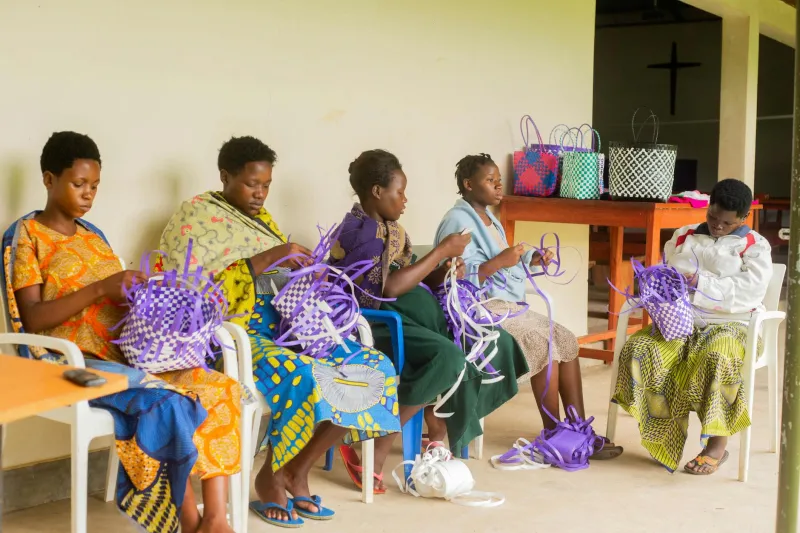
Every Thursday evening, the gentle click of knitting needles fills the parish hall at St Andrew's Church, accompanied by quiet conversation and the occasional burst of laughter. What began as a simple craft circle has evolved into something far more profound—a space where faith, fellowship, and creativity intertwine in ways that traditional worship sometimes struggles to achieve.
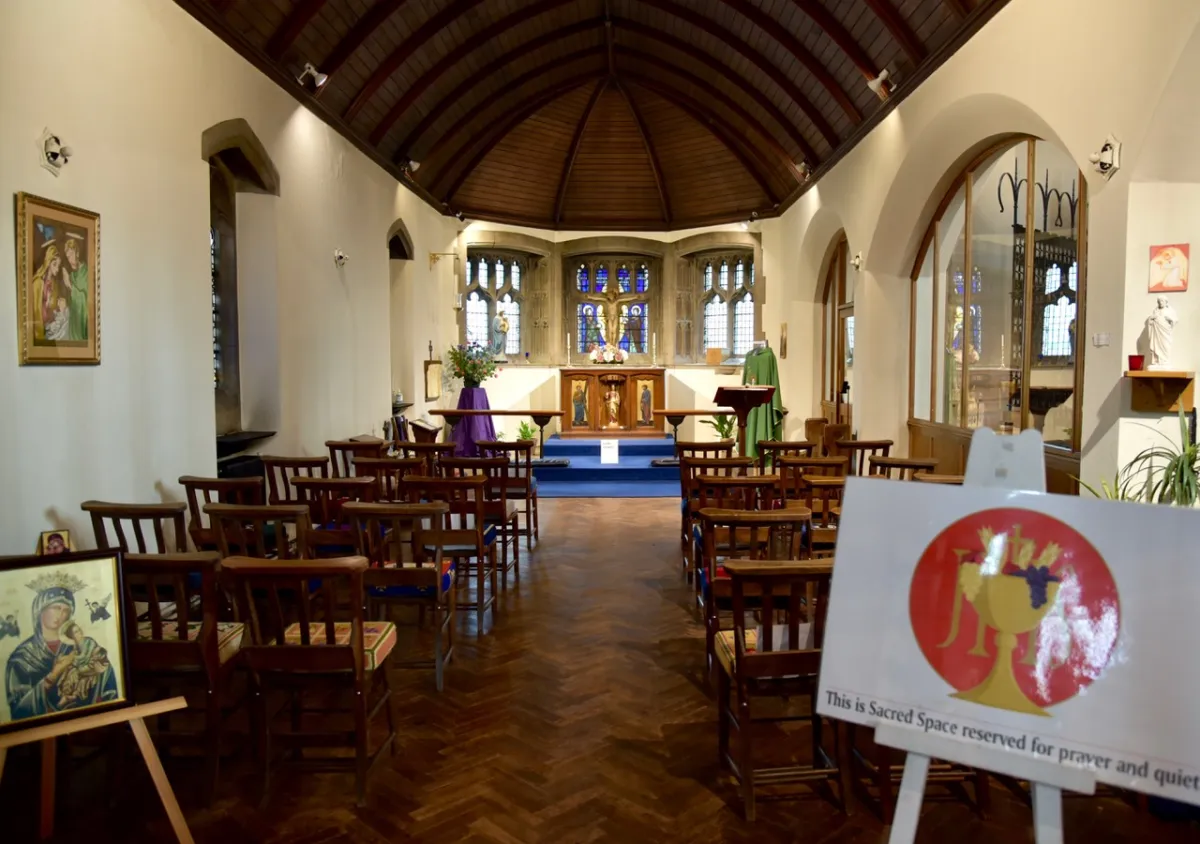 Photo: St Andrew's Church, via standrewcatford.com
Margaret Thompson, who has attended St Andrew's for over forty years, reflects on this transformation: "I never expected to find God in a ball of wool, but there's something about the repetitive nature of knitting that opens your heart. We pray as we stitch, and before you know it, you're sharing things you'd never say in a formal setting."
Beyond the Needlepoint
The phenomenon extends well beyond knitting. At Chinnor Methodist Church, the monthly quilting group has become a cornerstone of pastoral care, whilst the Baptist church's "Crafts and Coffee" sessions draw participants from across denominational lines. These gatherings represent a quiet revolution in how churches are approaching community engagement and spiritual formation.
Reverend Sarah Mitchell from Chinnor Methodist observes: "These craft groups have become some of our most effective pastoral spaces. People arrive with their projects, but they leave having shared their burdens, celebrated their joys, and found genuine support from their neighbours."
The Rhythm of Faith
There's something inherently meditative about repetitive craftwork that creates natural opportunities for contemplation and conversation. Unlike the structured format of traditional Bible study or prayer meetings, craft groups allow relationships to develop organically. The focus on creating something beautiful with one's hands mirrors the biblical understanding of humans as co-creators with God.
Jenny Williams, a relative newcomer to Chinnor who joined the knitting circle six months ago, explains: "I wasn't really a church person, but my neighbour invited me along. The craft gave me something to do with my hands whilst I listened to these women share their stories. Gradually, I found myself opening up too, and now I can't imagine my week without Thursday evenings."
Stitching Community Together
These groups are also addressing practical community needs in remarkable ways. The combined craft circles have produced over 200 items for local charities this year alone—from premature baby clothes for the John Radcliffe Hospital to blankets for Oxford's homeless shelters. This tangible output gives participants a sense of purpose that extends far beyond the church walls.
 Photo: John Radcliffe Hospital, via foremanroberts.com
Challenges and Opportunities
Not every attempt at craft-based ministry has succeeded. Some groups have struggled with attendance, whilst others have grappled with the challenge of maintaining spiritual focus alongside social chat. The key, according to experienced facilitators, lies in gentle guidance rather than heavy-handed structure.
"It's about creating space for the Holy Spirit to work," explains Patricia Evans, who coordinates the quilting ministry at St Andrew's. "We don't force prayer or Bible study, but we remain open to those moments when someone needs spiritual support or wants to explore faith questions."
Looking Forward
As churches across the Chilterns face declining Sunday attendance and an ageing congregation, these craft groups offer valuable lessons about meeting people where they are. They demonstrate that ministry can happen in informal settings, that faith can be explored through creativity, and that community can be built one stitch at a time.
The success of these initiatives has encouraged other churches in the area to explore similar approaches. Plans are underway for a joint craft fair next spring, where all the groups will display their work and share their stories with the wider community.
The Thread That Binds
In an increasingly fragmented society, these craft groups represent something precious—spaces where different generations, backgrounds, and levels of faith can come together around a shared activity. They remind us that the church's mission isn't confined to Sunday mornings, and that sometimes the most profound spiritual conversations happen when our hands are busy creating something beautiful.
As Margaret Thompson puts it: "We're not just making scarves and blankets—we're weaving relationships, stitching community together, and creating something lasting. And yes, I believe God is in every stitch."