The Living Room Revival: How Intimate House Groups Are Reshaping Faith in the Chilterns
The Kitchen Table Reformation
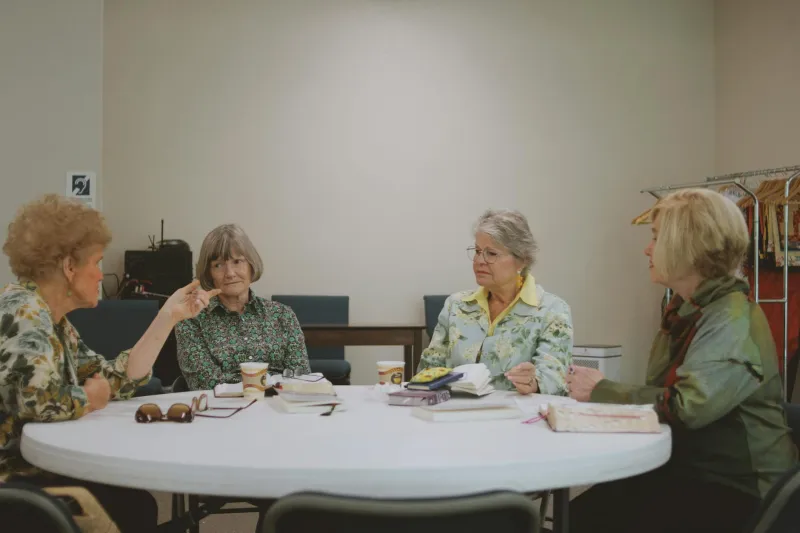
In a converted Victorian cottage on Mill Lane, eight members of St Andrew's Church gather around Sarah Mitchell's well-worn oak table every Wednesday evening. The familiar sounds of the kettle whistling and biscuit tins opening mark the beginning of what many participants describe as the most meaningful hour of their week.
"There's something profoundly different about sharing faith in someone's home," reflects Sarah, who has hosted this particular house group for three years. "The formality melts away, and suddenly we're not just congregation members—we're neighbours, friends, fellow travellers on this spiritual journey."
This scene, replicated in sitting rooms and community halls across Chinnor and the surrounding Chilterns villages, represents a quiet revolution in how local Christians are experiencing and expressing their faith. House groups, whilst not a new phenomenon, have experienced remarkable growth in our area over the past five years, with participation numbers increasing by nearly 40% across all denominations.
Beyond the Sunday Service
The appeal of these intimate gatherings extends far beyond convenience or scheduling. Dr Margaret Thornton, a retired theology lecturer and long-time Chinnor resident, explains the deeper significance: "Sunday worship serves a vital communal purpose, but house groups offer something equally precious—the opportunity for authentic spiritual dialogue in an environment where vulnerability feels safe."
At the Methodist Church's Tuesday evening group, which meets in the community room behind the village hall, members speak openly about how the smaller setting encourages participation from those who might never speak during a traditional service. "In church, I'm quite shy," admits James Carpenter, a local joiner who joined the group six months ago. "But sat around this table, sharing a cup of tea, somehow the questions I've been carrying feel easier to voice."
Diverse Expressions of Faith
The format of these gatherings varies considerably across Chinnor's churches. Some groups focus primarily on Bible study, working systematically through scripture with the aid of study guides and commentaries. Others centre on prayer, beginning with traditional liturgy before moving into more spontaneous intercession for community needs and personal concerns.
The Baptist Church's Friday morning group has developed a particularly innovative approach, combining elements of contemplative prayer with practical service planning. "We spend the first half hour in quiet reflection and prayer," explains group leader Patricia Wells, "then we discuss how we might respond to what we've heard—whether that's supporting a family in crisis or organising a community event."
Perhaps most significantly, these groups are fostering genuine ecumenical fellowship. The Thursday evening group that meets at the village primary school draws members from four different denominations, creating connections that transcend traditional church boundaries.
The Power of Proximity
What emerges consistently from conversations with house group members is the transformative power of proximity—both physical and emotional. The intimacy of domestic settings naturally encourages deeper sharing and more honest questioning than many feel comfortable expressing in larger congregational settings.
"When someone shares a prayer request across my kitchen table, there's an immediacy to it," observes Helen Davies, who hosts a group from St Paul's Church. "We're not just adding their name to a prayer list—we're holding their concern together in that moment, in that space."
This immediacy extends to practical support as well. House groups frequently become the first response networks for members facing difficulties, from illness and bereavement to unemployment and family challenges. The relationships formed in these weekly gatherings create natural pastoral care networks that complement formal church support systems.
Nurturing New Believers
Church leaders across Chinnor report that house groups have become particularly effective at integrating newcomers to faith and helping established believers deepen their spiritual understanding. The Alpha Course, run in various homes throughout the village, has seen consistent growth, with participants often continuing in ongoing house groups after the formal programme concludes.
"There's less pressure in a living room setting," notes Reverend Michael Thompson from St Andrew's Church. "People feel free to ask the questions they might consider too basic or challenging for Sunday morning. It's in these safe spaces that real spiritual growth often happens."
Challenges and Adaptations
The house group movement hasn't been without its challenges. Finding suitable venues, managing varying commitment levels, and ensuring theological balance without formal oversight requires careful coordination. Some groups have struggled with personality conflicts or doctrinal disagreements that can feel more intense in intimate settings.
The recent pandemic period forced creative adaptations, with many groups moving online or meeting in gardens when possible. Interestingly, several groups report that the enforced changes strengthened rather than weakened their bonds, as members made extra efforts to maintain connection during isolation.
Looking Forward
As we move forward, church leaders are increasingly recognising house groups not as supplementary to Sunday worship, but as complementary expressions of Christian community. Plans are underway for a Chilterns House Group Network, facilitating resource sharing and mutual support between groups across denominations.
"We're witnessing a return to something quite ancient," reflects Reverend Thompson. "The early church met in homes, around tables, sharing life as well as faith. In our busy modern world, perhaps this intimacy is exactly what souls are yearning for."
In Chinnor's living rooms and community spaces, faith is being lived out in its most authentic form—messy, honest, and profoundly human. These quiet gatherings may well represent the future of Christian community in our villages, one cup of tea and one shared prayer at a time.