Between the Lines: How Literary Circles Are Deepening Faith Across Chinnor's Congregations

The Quiet Revolution in Church Halls
In the comfortable sitting room of St Andrew's Church hall, eight members of the Thursday evening book club lean forward in animated discussion. Tonight's topic isn't the latest bestseller from Waterstones, but rather how Marilynne Robinson's Gilead speaks to their understanding of grace and forgiveness. This scene, replicated across several of Chinnor's church communities, represents a quiet but significant shift in how local congregations are approaching spiritual growth.
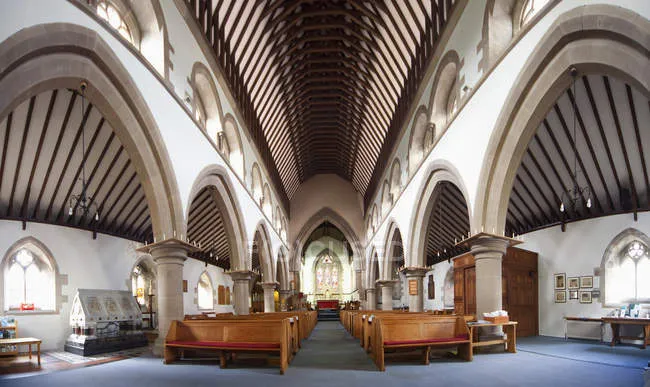 Photo: St Andrew's Church, via st.focusedcollection.com
"We've moved beyond the traditional Bible study format," explains Margaret Thornton, who coordinates the reading group at Chinnor Methodist Church. "Don't misunderstand—scripture remains central to our faith—but we're finding that contemporary literature often illuminates biblical truths in ways that speak directly to modern life."
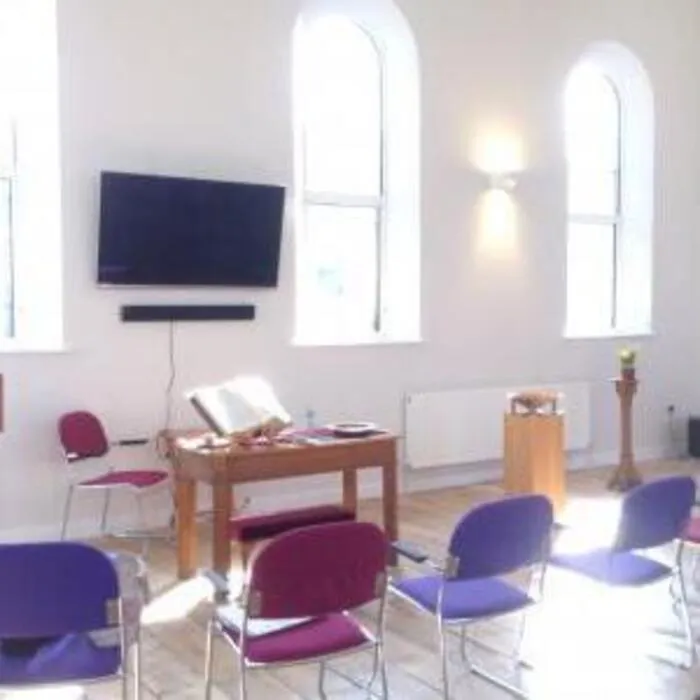 Photo: Chinnor Methodist Church, via www.joinmychurch.com
Literary Landscapes of Faith
The book selections across Chinnor's various church reading groups reveal a thoughtful curation of voices that span denominational and cultural boundaries. Recent titles have included Frederick Buechner's Wishful Thinking, which prompted intense discussions about doubt as a component of faith, and Chimamanda Ngozi Adichie's Americanah, which opened conversations about identity and belonging that resonated deeply with both long-time residents and newcomers to the Chilterns.
"Literature gives us permission to ask difficult questions," notes David Chambers, a participant in the Baptist church's monthly book circle. "When we read about characters wrestling with moral dilemmas or spiritual crises, it creates a safe space for us to examine our own doubts and certainties."
The groups don't shy away from challenging material. CS Lewis's The Problem of Pain sparked a three-week discussion series, whilst Graham Greene's The Power and the Glory led to profound conversations about faith under pressure that connected historical persecution with contemporary challenges facing Christians worldwide.
Beyond Denominational Boundaries
One of the most remarkable aspects of Chinnor's literary approach to faith exploration is how it's begun to bridge denominational divides. The quarterly inter-church book discussion, launched last autumn, brings together readers from Anglican, Methodist, Baptist, and Catholic congregations for shared exploration of selected texts.
"We discovered that our different traditions often bring unique perspectives to the same book," observes Father Michael O'Brien from St Mary's Catholic Church. "When we discussed Henri Nouwen's The Return of the Prodigal Son, our various liturgical and theological backgrounds enriched rather than divided our understanding."
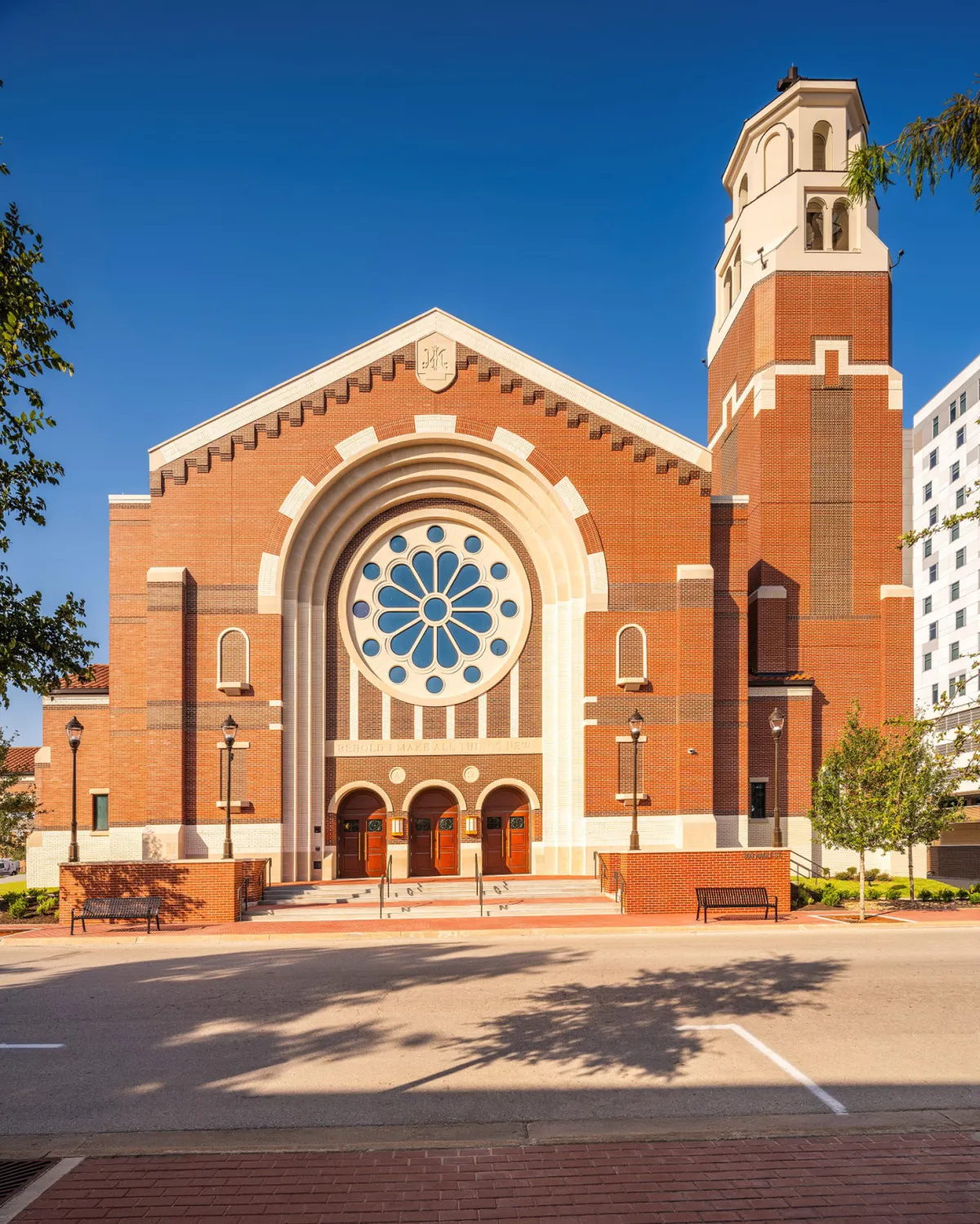 Photo: St Mary's Catholic Church, via www.brwarch.com
This ecumenical approach has proved particularly valuable when tackling books that address contemporary social issues through a faith lens. Matthew Desmond's Evicted prompted discussions about housing justice that led to collaborative action between congregations, whilst Rachel Held Evans's Searching for Sunday opened dialogues about church traditions and reform that might have been more contentious in purely denominational settings.
Practical Faith for Daily Life
The impact of these literary discussions extends far beyond the monthly meetings. Participants frequently report that insights gained through shared reading influence their daily spiritual practices and community engagement.
"After we read Just Mercy by Bryan Stevenson, several of us became involved with the local Citizens Advice Bureau," shares Emma Richardson from the United Reformed Church group. "The book didn't just inform us about justice issues—it challenged us to consider how our faith calls us to respond to inequality in our own community."
The groups have also embraced contemporary Christian fiction, finding that novels by authors such as Jan Karon and Francine Rivers offer accessible entry points for discussing complex theological concepts. These lighter reads often prove equally transformative, providing comfort during difficult seasons whilst reinforcing core Christian values through relatable storytelling.
Nurturing New Voices
Perhaps most significantly, these book clubs are creating space for voices that might otherwise remain unheard in traditional church settings. Younger members, in particular, have found the literary format less intimidating than formal Bible study, whilst those questioning aspects of their faith appreciate the indirect approach to spiritual exploration.
"I'd been away from church for years," admits Sarah Jenkins, who joined the Anglican reading group eighteen months ago. "Discussing faith through literature felt less threatening than jumping straight back into Sunday services. It gave me time to work through my questions without feeling judged."
The success of these initiatives has prompted several congregations to consider expanding their literary programmes. Plans are underway for a summer poetry series exploring spiritual themes, whilst the Methodist church is developing a book club specifically for teenagers, recognising the unique power of young adult literature to address faith questions relevant to their generation.
The Page Ahead
As Chinnor's church book clubs continue to flourish, they're demonstrating that intellectual engagement and spiritual growth need not be separate pursuits. By embracing literature as a pathway to deeper faith understanding, these communities are discovering new ways to connect with both ancient truths and contemporary challenges.
The ripple effects extend beyond individual spiritual development to strengthen the broader fabric of Chinnor's faith communities. Through shared reading and discussion, congregants are building relationships that transcend Sunday morning interactions, creating networks of support and understanding that enrich the entire community's spiritual journey.
In an age when many question the relevance of traditional religious practices, Chinnor's literary approach to faith exploration offers a compelling model for engagement that honours both intellectual curiosity and spiritual seeking.