Hearts That Bridge Isolation: The Devoted Pastoral Visitors Sustaining Faith Across Chinnor's Doorsteps
The Ministry of Presence
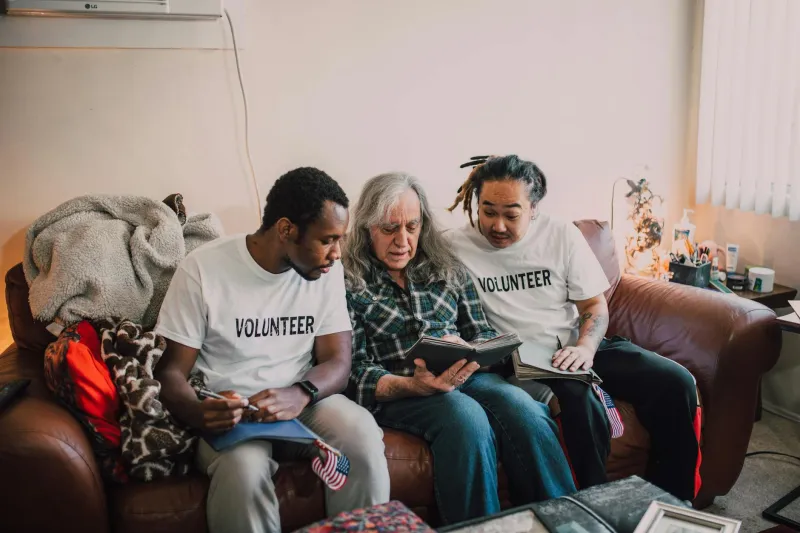
In the rolling hills of the Chilterns, where ancient church spires punctuate the landscape and village communities have flourished for centuries, a quiet revolution of care unfolds daily behind the doors of ordinary homes. Whilst Sunday congregations gather in the familiar comfort of oak pews and stone sanctuaries, another sacred ministry takes place in sitting rooms, hospital wards, and care homes across the Chinnor area.
Margaret Thompson has been making her rounds for nearly fifteen years, her small diary filled with names, addresses, and carefully noted preferences. "Mrs Jenkins prefers Earl Grey, and Mr Patterson always asks about the cricket scores," she explains, her handbag perpetually stocked with communion wafers and a well-worn Book of Common Prayer. "It's the little things that matter most when someone hasn't seen another soul all week."
The pastoral visiting ministry represents one of Christianity's most fundamental expressions—the simple act of showing up. In an era where digital connectivity promises to bridge every gap, these volunteers understand that physical presence carries irreplaceable weight, particularly for those whose mobility, health, or circumstances prevent regular church attendance.
Beyond the Parish Boundaries
Across Chinnor's churches—from the medieval stones of St Andrew's to the welcoming halls of the Methodist community—pastoral visiting programmes have quietly expanded to meet growing needs. The demographic reality of rural communities, where younger generations often relocate for employment whilst elderly residents remain deeply rooted, has created pockets of isolation that traditional church structures struggle to address through Sunday services alone.
Reverend Sarah Mitchell of Chinnor Methodist Church observes the transformation in her congregation's approach: "Twenty years ago, pastoral care was largely reactive—we'd visit during crises or illness. Now we recognise that regular, consistent contact prevents many crises from developing. Our visitors aren't just bringing communion; they're bringing community."
The training these volunteers receive reflects this broader understanding. Beyond basic safeguarding requirements and communion procedures, modern pastoral visitors learn active listening techniques, recognise signs of depression or declining health, and understand their role as bridges between isolated individuals and wider support networks.
Stories from the Front Line
Eighty-seven-year-old Dorothy Whitfield hasn't attended church regularly since her husband's passing three years ago, but her faith remains central to her identity. "When Janet arrives each Tuesday, it's like the church comes to me," she reflects from her Chinnor cottage. "We pray together, share communion, and she always brings news from the parish. Last week, she helped me write a card to the young family who just had their baby baptised. I felt connected again."
These connections ripple outward in unexpected ways. Janet Harrison, Dorothy's regular visitor, discovered her charge's talent for knitting during their third visit. Within months, Dorothy was contributing baby blankets to the church's baptism programme, her handiwork blessing families she'd never meet but whose spiritual journeys she now supported from her armchair.
The stories multiply across the community: the former headmaster who shares his extensive theological library with curious visitors, the retired nurse who provides informal health advice during pastoral calls, the widow whose garden produces vegetables that somehow find their way to struggling families through her visitor's discrete coordination.
Challenges and Calling
Yet this ministry isn't without its complexities. Visitors often find themselves addressing needs far beyond their intended scope—loneliness that manifests as excessive talking, health concerns that require professional intervention, or family dynamics that complicate their caring presence. The emotional weight of walking alongside individuals through decline, loss, and sometimes death demands considerable resilience.
"Some visits are harder than others," admits Peter Williams, who has served as a pastoral visitor for St Andrew's for eight years. "When someone you've been seeing weekly for months suddenly deteriorates, or when you're the only person they see all week, the responsibility feels enormous. But that's exactly when the calling becomes clearest—we're not just representing our individual churches, we're embodying Christ's presence in very practical ways."
The churches have responded by strengthening support networks for their visitors. Monthly reflection meetings, access to clergy for difficult situations, and clear protocols for safeguarding concerns help ensure that volunteers feel equipped rather than overwhelmed by their responsibilities.
Faith in Action
The theological underpinning of pastoral visiting reaches back to Christianity's earliest expressions. The Acts of the Apostles describes communities that ensured no member was neglected, and the tradition of visiting the sick appears throughout Christian history as a fundamental expression of discipleship.
In contemporary Chinnor, this ancient practice adapts to modern realities whilst maintaining its essential character. Visitors carry mobile phones to summon help when needed, coordinate with social services when appropriate, and sometimes facilitate video calls with distant relatives. Yet the core remains unchanged: one person sitting with another, sharing faith, offering presence, and affirming dignity.
Looking Forward
As Chinnor's churches look toward the future, pastoral visiting programmes continue evolving. Younger volunteers bring different skills and perspectives, whilst established visitors share decades of accumulated wisdom. The ministry adapts to serve increasingly diverse needs—from young parents struggling with isolation to middle-aged individuals facing redundancy or divorce.
The quiet shepherds of Chinnor's faith communities understand that their work rarely makes headlines or fills pews, but it achieves something equally vital: it ensures that faith remains a lived reality rather than a weekly appointment, that community extends beyond church walls, and that no one faces life's challenges entirely alone.
In sitting rooms across the Chilterns, over countless cups of tea and through seasons of joy and sorrow, these volunteers continue writing stories of connection, care, and quiet faithfulness that form the true backbone of Christian community.