Breaking Bread, Building Bonds: The Sacred Art of Hospitality in Chinnor's Church Kitchens
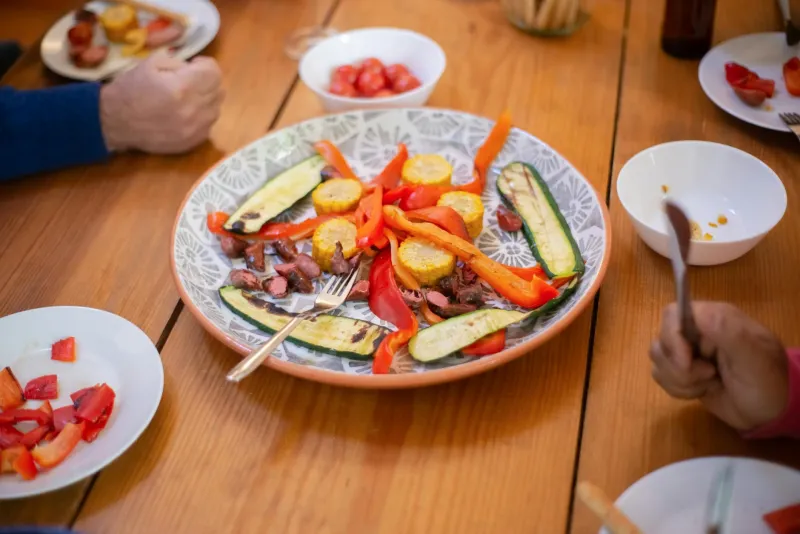
More Than Just a Cuppa
The aroma of freshly brewed tea and homemade Victoria sponge drifts through St Andrew's Church hall every Sunday morning, but this isn't just about refreshment—it's about relationship. What happens over those post-service cups of tea and biscuits has become as important to many congregants as the formal worship that precedes it.
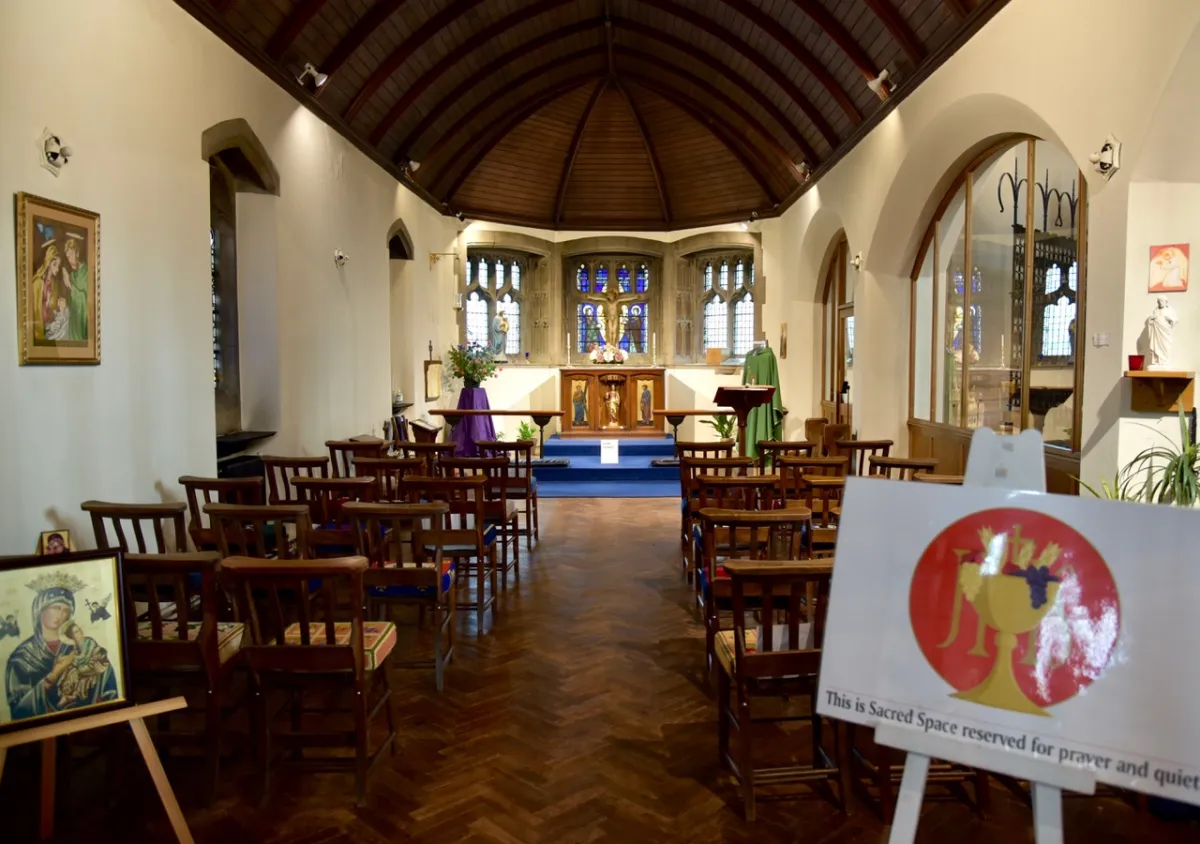 Photo: St Andrew's Church, via standrewcatford.com
"The real church often begins when the service ends," observes Helen Davies, who has coordinated the Sunday tea rota for over a decade. "That's when people drop their guard, share what's really happening in their lives, and newcomers find their first real connections."
The Theology of the Table
Food has been central to Christian faith since its inception. From the Last Supper to the feeding of the five thousand, Jesus consistently used meals as opportunities for teaching, healing, and building community. Chinnor's churches are rediscovering this ancient wisdom, finding that shared food creates a uniquely powerful space for spiritual and social connection.
Reverend Sarah Mitchell from Chinnor Methodist Church reflects on this biblical foundation: "When we invite people to share a meal, we're following Christ's own example. There's something transformative about eating together—barriers come down, conversations deepen, and community forms naturally."
Sunday Lunch and Sacred Space
The monthly community lunch at Chinnor Baptist Church has evolved from a simple social gathering to one of the congregation's most effective outreach ministries. What began as an attempt to keep people connected after morning worship has attracted regular attendees from across the village, including many who rarely darken the church door for formal services.
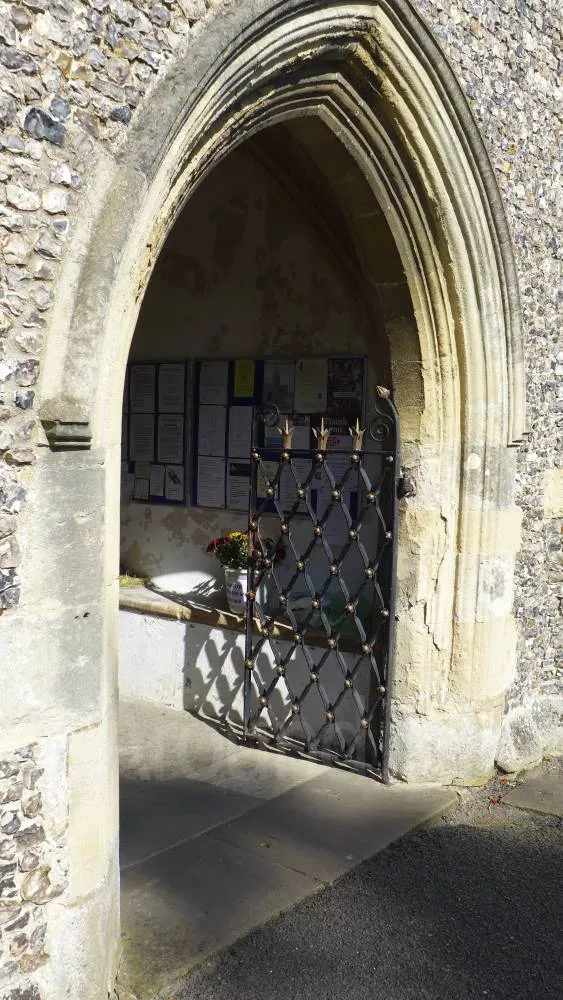 Photo: Chinnor Baptist Church, via cdn.seearoundbritain.com
Tom Jenkins, a recent retiree who started attending these lunches before eventually joining the congregation, describes their impact: "I was going through a difficult time after my wife passed away. The invitation to lunch came at exactly the right moment. It wasn't pushy or evangelistic—just genuine hospitality. That's what drew me in."
Messy Church, Meaningful Meals
Perhaps nowhere is the power of food-centred ministry more evident than in the growing Messy Church movement across Chinnor's congregations. These monthly gatherings combine craft activities, simple worship, and—crucially—a shared meal that brings together families from diverse backgrounds and faith experiences.
Lucy Peterson, who helps coordinate Messy Church at St Andrew's, explains the significance of the meal component: "The food isn't an afterthought—it's the climax of our time together. Watching children and adults from different families share chips and chat about their craft projects, you see community being built in real time."
The Kitchen Brigade
Behind every successful church meal stands a dedicated team of volunteers whose ministry often goes unrecognised. These kitchen heroes arrive early, stay late, and somehow transform basic ingredients into feasts that nourish both body and spirit.
Margaret Wilson, who has served on the catering team at Chinnor Methodist for over twenty years, sees her work as genuine ministry: "People sometimes ask why I spend my Sundays washing up rather than sitting in the service. But this is my worship—serving others, making them feel welcome, ensuring everyone has enough to eat. It's what Jesus would do."
Breaking Down Barriers
Shared meals have a unique ability to bridge social, cultural, and generational divides that might otherwise persist in church communities. The informal atmosphere around a dinner table encourages conversations that would never happen in formal church settings.
The quarterly "International Evening" at St Andrew's exemplifies this bridge-building power. Families from different cultural backgrounds contribute dishes from their heritage, creating opportunities for storytelling, learning, and genuine cultural exchange.
"Food is a universal language," notes organiser Priya Sharma, whose family joined the church three years ago. "When my mother brought her samosas to the international evening, suddenly everyone wanted to know about our traditions, our journey to Chinnor, our faith story. The meal became a doorway to belonging."
Practical Challenges
Running regular meal ministries isn't without its difficulties. Food safety regulations, dietary restrictions, cost management, and volunteer coordination all present ongoing challenges that require careful attention and creative solutions.
Many churches have invested in upgraded kitchen facilities and food safety training for volunteers. Others have developed partnerships with local suppliers or established community gardens to help manage costs whilst emphasising fresh, local ingredients.
The Economics of Hospitality
The financial aspect of church catering requires careful balance between accessibility and sustainability. Most congregations subsidise their meal ministries, viewing the cost as an investment in community building rather than a profit-making enterprise.
"We could charge more and cover our costs completely," acknowledges David Thompson, treasurer at Chinnor Baptist. "But then we'd exclude exactly the people who most need what we're offering. Hospitality isn't about breaking even—it's about breaking bread with anyone who needs it."
Special Occasions and Sacred Feasts
Beyond regular meal ministries, Chinnor's churches have embraced food as central to marking significant occasions. Harvest suppers celebrate God's provision whilst supporting local food banks. Easter breakfasts mark resurrection joy with communal celebration. Christmas dinners ensure no one spends the season alone.
These special meals often attract people who wouldn't normally engage with church activities, creating opportunities for evangelism that feels natural rather than forced.
The Future of Food Ministry
As churches across the Chilterns grapple with declining attendance and community fragmentation, food-centred ministries offer a proven pathway to engagement and growth. They require minimal theological expertise but maximum heart for service.
Lessons Learned
Successful church food ministries share several characteristics: genuine hospitality rather than hidden agendas, quality food prepared with care, inclusive pricing that welcomes everyone, and intentional relationship-building during meals.
"The food brings people in," reflects Helen Davies, "but it's what happens around the table that keeps them coming back. We're not just feeding bodies—we're nourishing souls and building the kingdom of God, one meal at a time."
In a world increasingly characterised by isolation and division, Chinnor's churches are rediscovering an ancient truth: there's something sacred about sharing food, and some of the most important ministry happens not from the pulpit, but around the table where strangers become friends and communities are born.